7 Proven Sunfish Fishing Tips to Catch More Fish Today
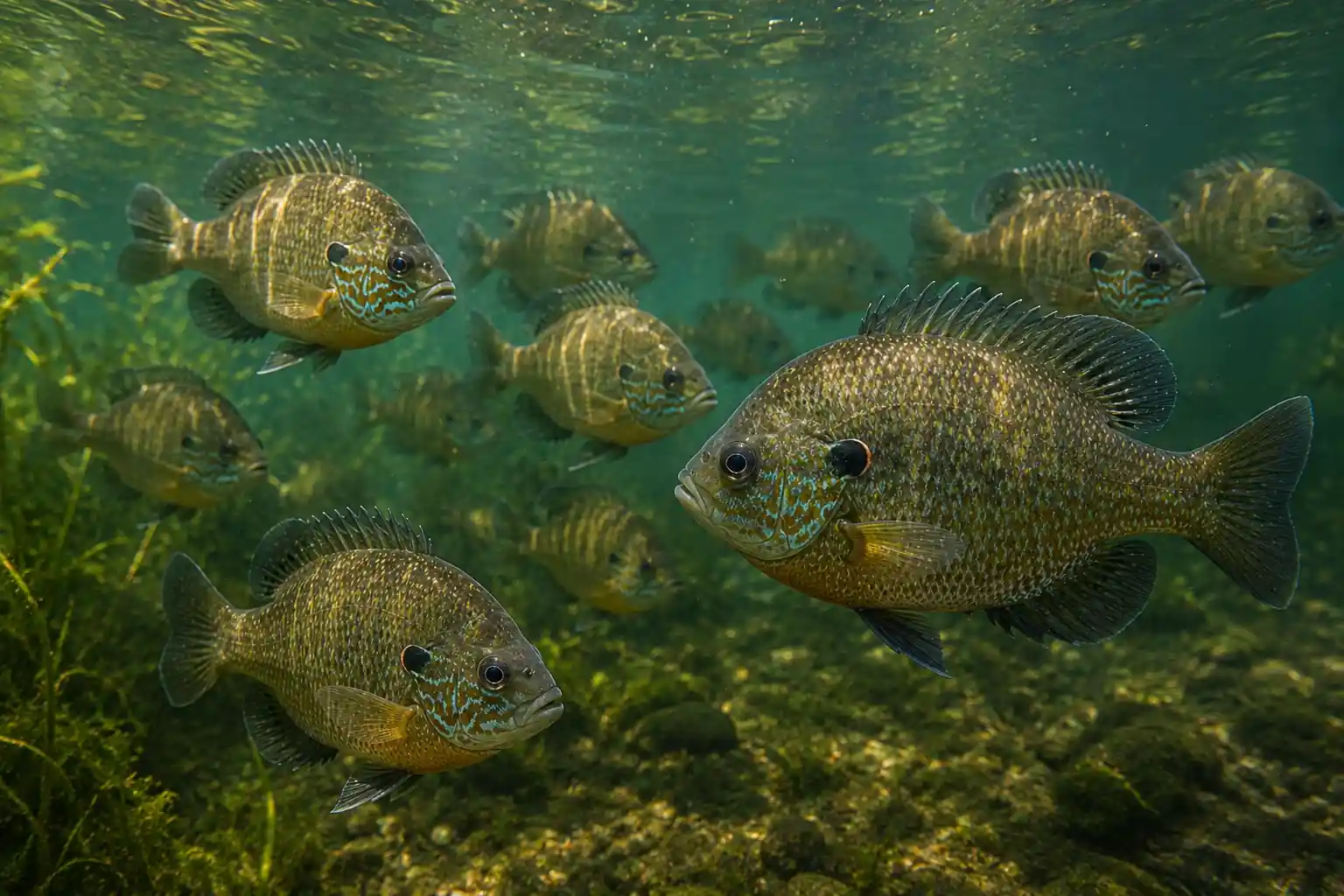
Table of Contents
Why Sunfish Fishing Is Perfect for Anglers of All Skill Levels
Sunfish fishing is one of the most enjoyable and accessible forms of freshwater fishing. Whether you’re a beginner looking to catch your first fish or an experienced angler searching for a relaxing day on the water, sunfish offer consistent action and can be found in ponds, lakes, rivers, and reservoirs across North America. Their aggressive feeding habits, abundance, and willingness to bite make them a favorite target for anglers of all ages.
Learning how to catch sunfish consistently requires more than simply casting a line and hoping for the best. Understanding sunfish habitat, seasonal movements, feeding behavior, and the best bait for sunfish can dramatically increase your success. From shoreline fishing and pond sunfish fishing to targeting larger fish in lakes and reservoirs, the right approach can help you catch more fish throughout the year.
Many anglers associate sunfish with bluegill fishing, but the sunfish family includes several popular species. Pumpkinseed sunfish, redear sunfish, green sunfish, and longear sunfish all provide excellent opportunities for anglers seeking steady action. If you’re interested in identifying different sunfish species, be sure to check out our detailed Pumpkinseed Sunfish guide, which covers identification, habitat, feeding habits, spawning behavior, and proven fishing techniques.
In this complete sunfish fishing guide, you’ll learn where to find sunfish, the best time to catch sunfish, the best bait for sunfish, and the best lures for sunfish. You’ll also discover seven proven sunfish fishing tips that can help you catch more fish from shore, a dock, or a boat. By understanding the behavior of these popular panfish species, you’ll be better prepared to enjoy successful sunfish fishing trips throughout the year.
1. Target Weed Edges for Consistent Action
If you’re wondering how to catch sunfish consistently, start by focusing on weed edges. Aquatic vegetation provides food, oxygen, shade, and protection, making it one of the most productive areas in any sunfish habitat. Sunfish frequently patrol the outer edges of weed beds searching for insects, small crustaceans, and other prey.
Sunfish fishing near weeds is particularly effective during spring and summer when aquatic vegetation is at its peak. Rather than casting directly into thick cover, try placing your bait or lure along the edge where fish can easily move between open water and shelter. This transition zone often holds the highest concentration of fish.
Both pond sunfish fishing and lake sunfish fishing benefit from this approach. Weed edges often attract bluegill, pumpkinseed sunfish, redear sunfish, and green sunfish throughout the day. If one section of weeds isn’t producing bites, move along the edge until you locate active fish.
Many anglers overlook weed lines in favor of obvious structure such as docks or fallen trees. However, weed edges remain one of the most reliable sunfish fishing locations throughout the year and should always be one of the first places you investigate.
2. Fish During Early Morning and Evening Hours
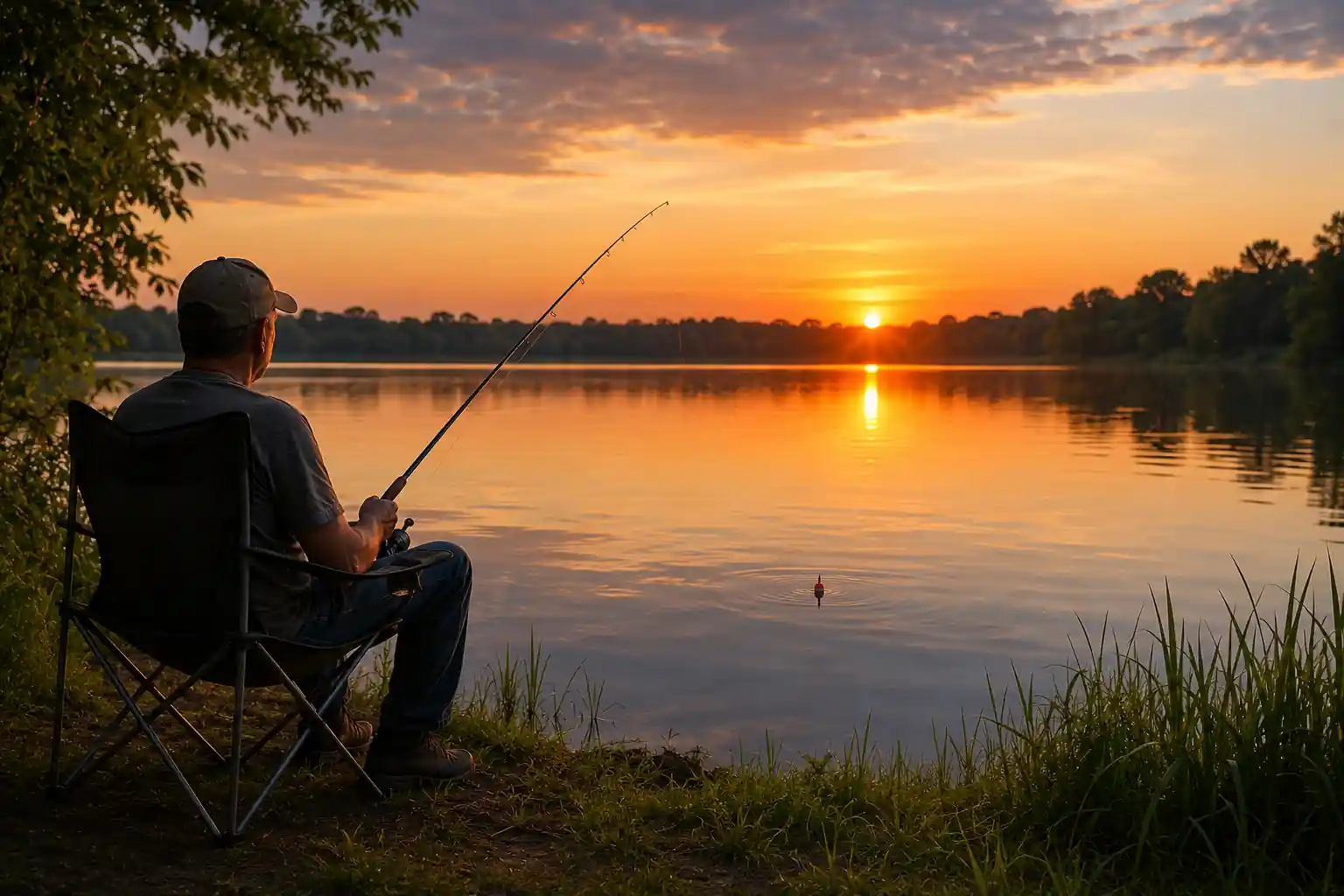
The best time to catch sunfish is often during periods of low light. Early morning and late evening consistently produce more bites because fish feel safer feeding away from predators and are more willing to move into shallow water.
During the middle of the day, especially during hot summer weather, sunfish often retreat to deeper water, thick vegetation, or shaded areas. While they can still be caught, fishing generally becomes more challenging. By planning your trips around sunrise and sunset, you’ll often experience significantly better action.
Sunfish fishing in summer is especially productive during these low-light periods. Fish actively feed before temperatures climb and again as the water begins to cool in the evening. This pattern is common in ponds, lakes, reservoirs, and rivers.
If you’re limited to midday fishing, focus on shaded docks, overhanging trees, weed beds, and deeper structure. These areas can still produce fish when direct sunlight pushes them away from shallow feeding zones.
Understanding daily feeding windows is one of the simplest sunfish fishing tips that can immediately improve your success.
3. Use Small Hooks and Downsize Your Presentation
One of the most common mistakes anglers make is using hooks and baits that are too large. While sunfish are aggressive feeders, they still have relatively small mouths. Using oversized tackle often results in missed strikes and poor hook-up ratios.
For most situations, hook sizes between #6 and #10 work exceptionally well. Smaller hooks allow fish to easily take the bait while improving hook penetration. Whether you’re sunfish fishing with worms, mealworms, wax worms, or crickets, downsizing your presentation will usually increase the number of fish you catch.
This principle also applies to artificial lures. The best lures for sunfish are typically compact and imitate natural prey. Tiny jigs, micro soft plastics, and small inline spinners frequently outperform larger offerings.
Freshwater sunfish spend much of their lives feeding on insects, larvae, and other small food sources. Matching the size of their natural prey creates a more realistic presentation and often leads to more strikes.
When fish seem reluctant to bite, downsizing should be one of the first adjustments you make.
4. Fish Around Docks, Fallen Trees, and Structure
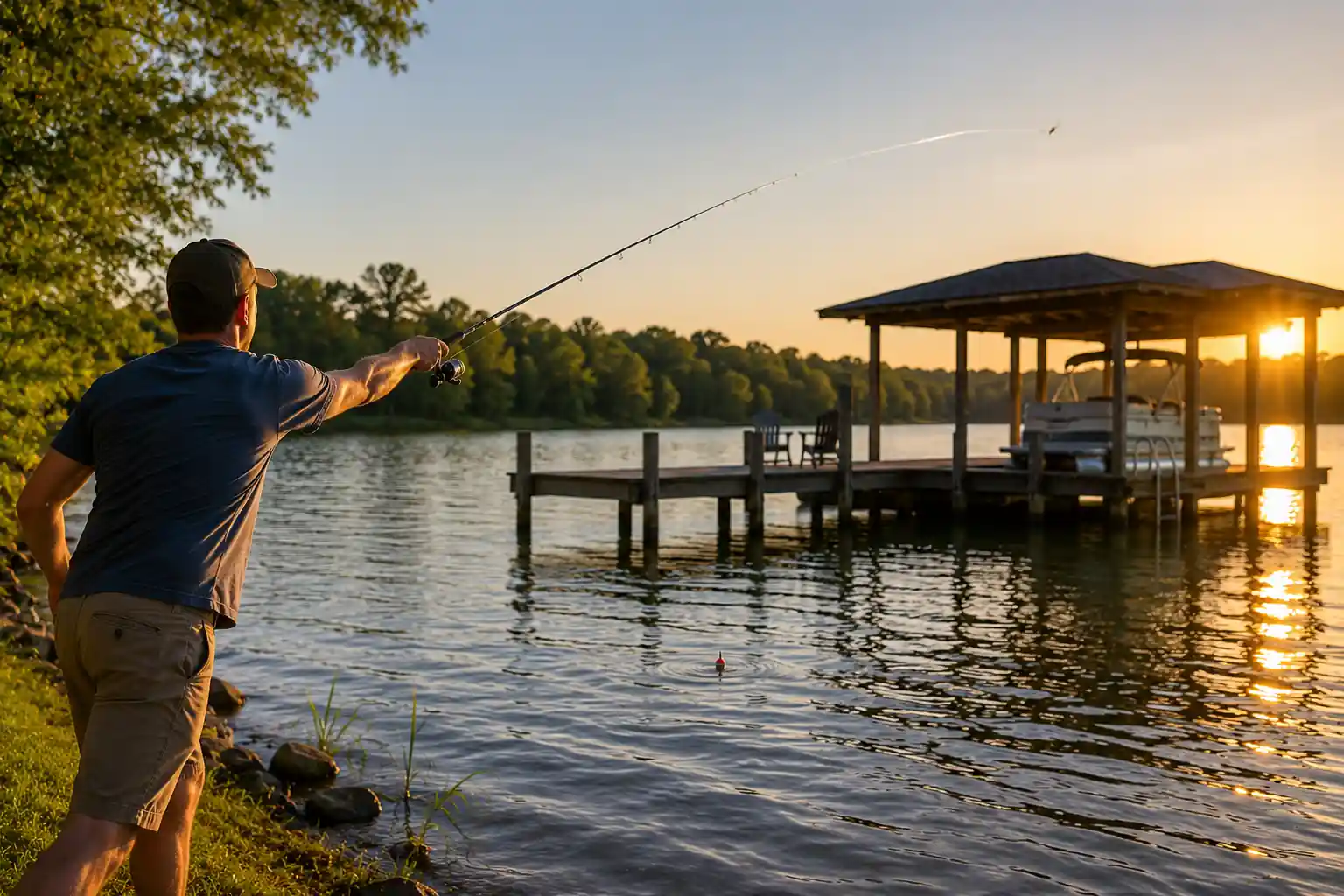
Structure is one of the most important elements of successful sunfish fishing. Docks, brush piles, submerged timber, fallen trees, rock piles, and other forms of cover provide ideal habitat for feeding and protection.
Sunfish are naturally attracted to areas where they can find food while remaining protected from larger predators. These locations also attract insects and small aquatic organisms that form a major part of the sunfish diet.
Lake sunfish fishing often revolves around docks and marinas because these structures create shade and attract schools of fish. In ponds and smaller waters, fallen trees and brush piles can hold large numbers of sunfish throughout the year.
When approaching structure, make multiple casts from different angles. Fish may position themselves on one specific side depending on sunlight, water temperature, or current conditions.
Many experienced anglers consider structure fishing one of the most effective sunfish fishing strategies because productive cover often holds fish year after year.
5. Watch Your Bobber Carefully
Sunfish fishing with bobbers remains one of the most effective and beginner-friendly techniques available. A simple float allows anglers to suspend bait at the perfect depth while providing a clear visual indication of strikes.
However, many anglers miss bites because they fail to watch their bobber closely. Sunfish do not always pull the float completely underwater. Sometimes the bobber may simply twitch, tilt, slide sideways, or briefly disappear before returning to the surface.
These subtle movements often indicate a fish testing the bait. Waiting too long can result in missed opportunities, while reacting too quickly can pull the bait away from the fish.
A properly balanced sunfish fishing setup allows the bobber to respond naturally to even the lightest bites. Pairing a small hook, light line, and sensitive float creates a highly effective system for catching sunfish in ponds, lakes, and rivers.
For anglers learning how to catch sunfish, mastering bobber fishing is one of the fastest ways to improve success rates.
6. Look for Sunfish Spawning Beds
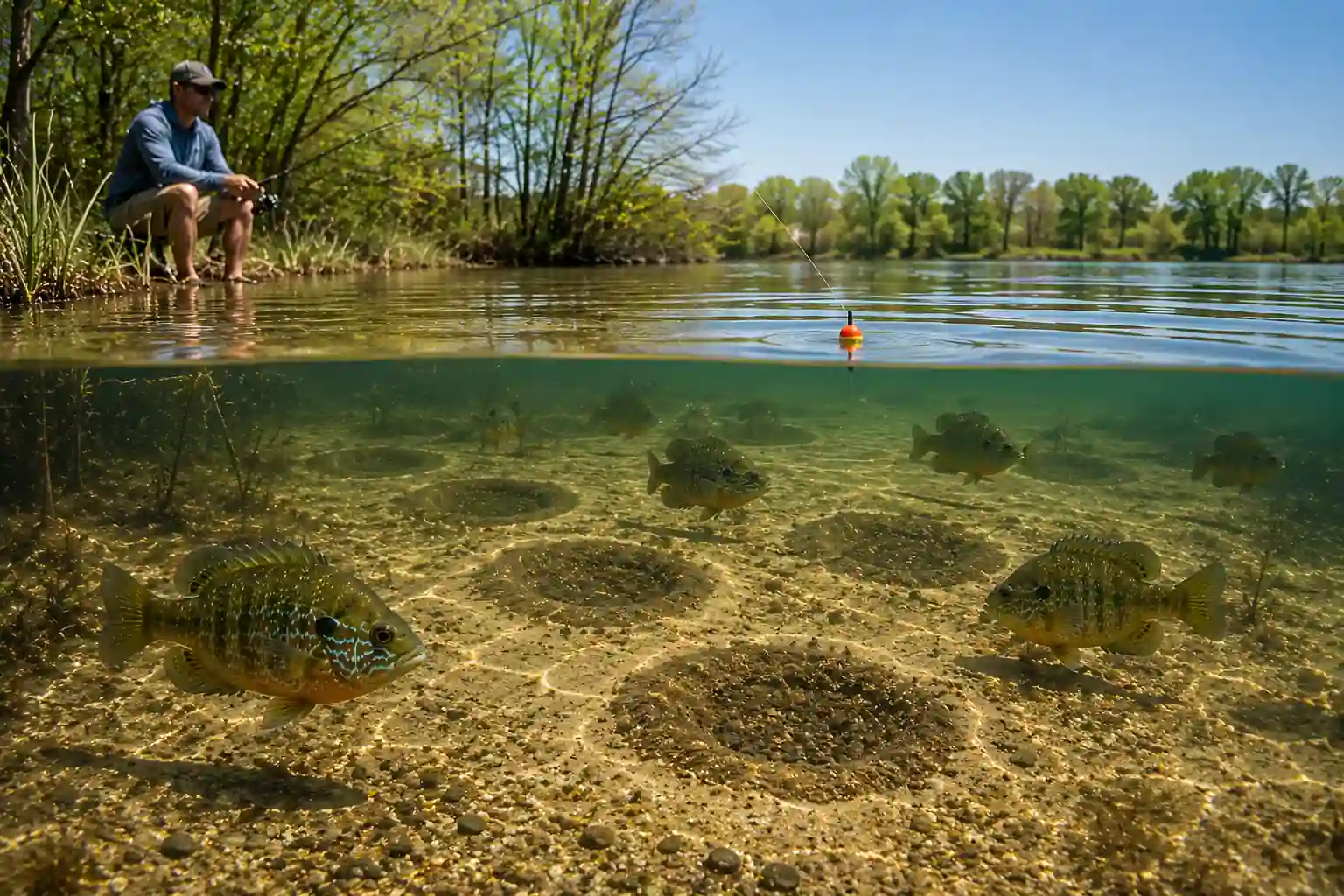
One of the easiest times to catch sunfish occurs during the spawning season. As water temperatures warm in spring and early summer, male sunfish create circular nests in shallow water. These spawning beds often appear as clusters of light-colored circles on sandy or gravel bottoms.
Sunfish fishing in spring can be exceptional because large numbers of fish gather in concentrated areas. Bluegill fishing is particularly productive during this period, although pumpkinseed sunfish, redear sunfish, and other species display similar spawning behavior.
When you locate a spawning colony, approach quietly and avoid making sudden movements. Sunfish in shallow water can become easily spooked by excessive noise or disturbance.
Small pieces of worms, crickets, mealworms, and tiny jigs are all highly effective around spawning beds. Because fish are concentrated in predictable locations, anglers can often catch multiple fish in a short amount of time.
Learning to identify spawning areas can dramatically improve your understanding of where to find sunfish throughout the spring season.
7. Keep Moving Until You Find Active Fish
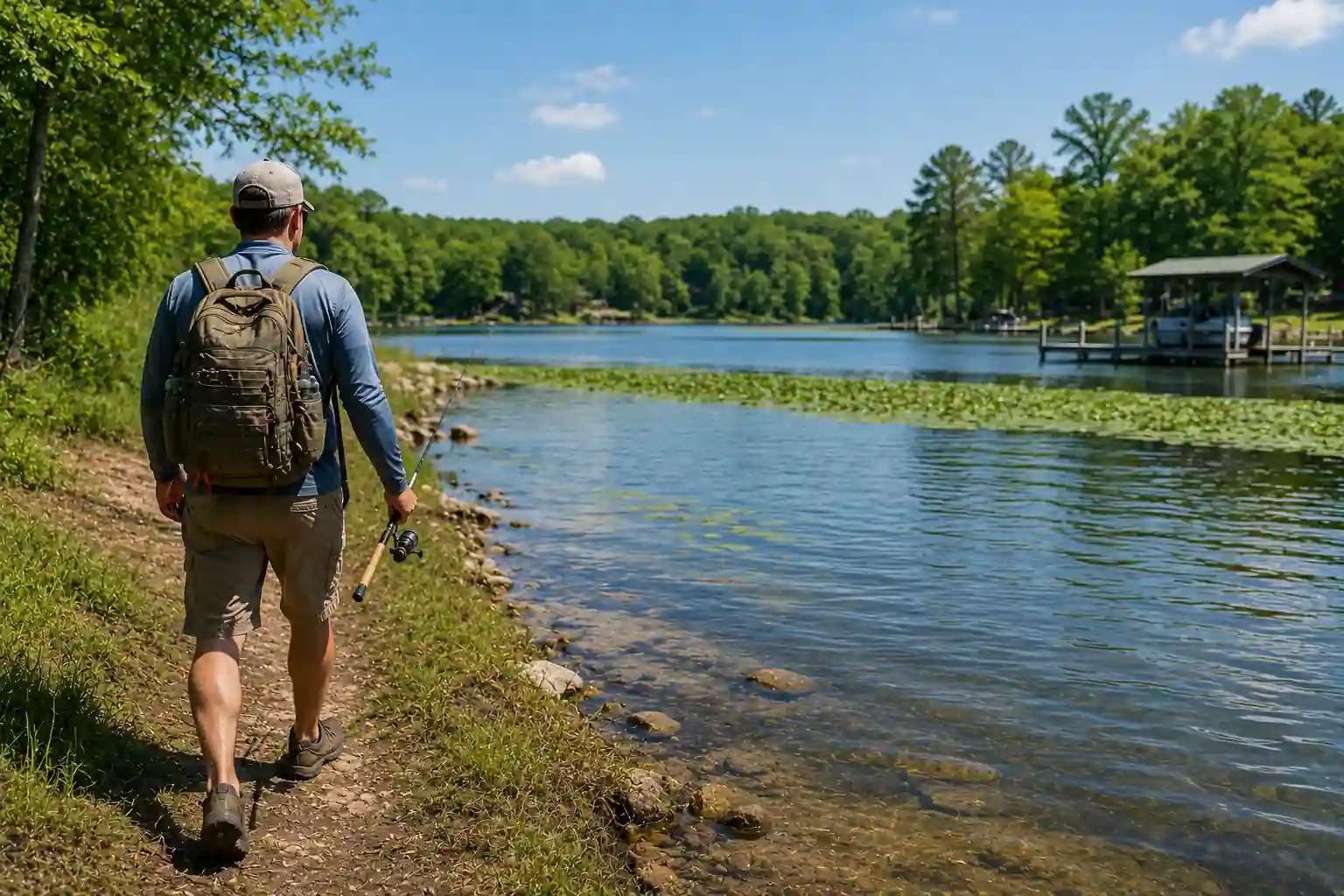
Perhaps the most important sunfish fishing tip is to remain mobile. Many anglers stay in one location too long, hoping fish will eventually move in. While patience has its place, active anglers generally catch more fish because they spend more time locating productive water.
If you haven’t received a bite within 15 to 20 minutes, consider changing locations. Move to another weed edge, dock, brush pile, shoreline point, or section of structure. Sunfish often school together, which means finding one active group can lead to consistent action.
This approach is especially valuable when fishing unfamiliar waters. Rather than committing to a single spot, spend time exploring different sunfish fishing locations until you identify productive patterns.
Artificial lures are particularly useful for covering water quickly, but the same principle applies when using live bait. The more water you explore, the better your chances of locating feeding fish.
Successful sunfish fishing is often less about finding the perfect lure and more about finding the fish themselves. By staying mobile and adapting to changing conditions, you’ll dramatically increase your chances of catching more fish on every trip.
What Are Sunfish?
Sunfish are among the most common freshwater fish species found in North America. Belonging primarily to the genus Lepomis, these fish thrive in a variety of environments, including ponds, lakes, rivers, creeks, and reservoirs. Their adaptability and abundance have made sunfish fishing one of the most popular forms of recreational fishing for both beginners and experienced anglers.
When most people think about sunfish, they immediately picture bluegill. Bluegill fishing is extremely popular because these fish are abundant, aggressive feeders, and relatively easy to catch. However, bluegill are only one member of a larger family that includes pumpkinseed sunfish, redear sunfish, green sunfish, and longear sunfish. While each species has unique characteristics, they often inhabit similar areas and respond to many of the same fishing techniques.
Freshwater sunfish are considered panfish because of their manageable size and excellent table quality. Many anglers enjoy keeping a few fish for a meal, while others prefer catch-and-release fishing. Regardless of your preference, sunfish provide exciting action throughout much of the year.
One reason sunfish fishing for beginners is so popular is the fish’s willingness to bite. Unlike some gamefish species that can be highly selective, sunfish frequently feed on insects, worms, crustaceans, and small aquatic organisms. This broad diet makes them susceptible to a wide variety of natural baits and artificial lures.
Understanding sunfish behavior is important when learning how to catch sunfish consistently. These fish often relate closely to cover such as aquatic vegetation, submerged timber, docks, brush piles, and rocky shorelines. Their preference for structure and shallow feeding areas makes them accessible to anglers fishing from shore as well as those fishing from boats.
Because they are widespread, abundant, and eager to bite, sunfish remain one of the best fish species for introducing new anglers to freshwater fishing while still providing plenty of enjoyment for experienced fishermen.
Where to Find Sunfish
Knowing where to find sunfish is one of the most important skills an angler can develop. Even the best bait for sunfish or the most effective lure won’t produce consistent results if fish are not present. Fortunately, sunfish are widespread and can be found in a variety of freshwater environments including ponds, lakes, rivers, reservoirs, and small community fishing waters.
The key to locating sunfish is understanding their need for food, cover, and protection. Sunfish habitat often includes areas with aquatic vegetation, submerged wood, docks, brush piles, lily pads, and rocky shorelines. These areas provide shelter from predators while also attracting insects, minnows, and other food sources that sunfish actively feed on throughout the year.
Pond sunfish fishing is often straightforward because fish tend to stay close to shoreline cover. Small ponds frequently contain large numbers of bluegill, pumpkinseed sunfish, and green sunfish that patrol weed edges and submerged brush. Anglers fishing from shore can often locate productive areas simply by looking for visible structure along the bank.
Lake sunfish fishing follows many of the same principles, but larger bodies of water offer more habitat options. In lakes, focus on shallow coves, weed beds, docks, marinas, fallen trees, and transition areas where vegetation meets open water. Sunfish fishing near weeds is especially productive because aquatic vegetation attracts countless insects and small organisms that sunfish consume daily.
River sunfish fishing can be surprisingly productive as well. While strong currents are generally avoided, sunfish often gather in slower-moving sections of rivers where they can conserve energy while feeding. Look for backwaters, eddies, undercut banks, fallen timber, and quiet pools where fish can shelter from the current.
Seasonal changes also influence where to find sunfish. During spring, fish move into shallow areas to spawn. In summer, they often remain near weeds and shoreline structure during the morning and evening hours. As water temperatures cool in fall and winter, many fish gradually move toward deeper water while still remaining close to available cover.
When searching for productive sunfish fishing locations, always look for structure first. Whether you’re fishing a pond, lake, river, or reservoir, cover consistently attracts fish and provides some of the best opportunities for catching sunfish throughout the year.
Best Time to Catch Sunfish
Understanding when fish are most active can significantly improve your success on the water. While they can be caught throughout the year, certain seasons and times of day consistently produce more bites than others. Learning these patterns is an important part of becoming a more successful angler.
Spring is often considered the best season by many fishermen. As water temperatures rise, fish become increasingly active after winter. During the spawning period, males move into shallow water and create circular nests on sandy or gravel bottoms. These nesting colonies can hold dozens or even hundreds of fish, creating excellent opportunities for anglers who know where to look. Species such as bluegill, pumpkinseed, and redear are especially predictable during this time because they gather in concentrated areas.
Summer remains extremely productive, particularly during the early morning and evening hours. During the hottest part of the day, fish often move slightly deeper or position themselves near vegetation, docks, and shaded cover where water temperatures are cooler. Anglers who focus on these areas frequently experience steady action throughout the season.
Fall is another underrated time to fish. As temperatures begin to cool, fish feed aggressively in preparation for winter. This increased feeding activity can create excellent opportunities, especially when schools gather around remaining vegetation or structure.
Winter can be more challenging, but fish remain catchable. In regions where ice fishing is popular, anglers regularly target bluegill and other panfish through the ice. In open-water areas, fish typically move deeper and become less active, requiring slower presentations and smaller baits.
In addition to seasonal changes, the time of day also plays a major role. Early morning and late evening are often the most productive periods because lower light levels encourage feeding activity. Midday can still produce results, especially when targeting shaded cover, vegetation, or deeper water.
By combining seasonal knowledge with proper location selection, anglers can consistently improve their success and catch more fish throughout the year.
Best Bait for Sunfish
Choosing the right bait is one of the easiest ways to increase your catch rate. While these fish are aggressive feeders that will eat a wide variety of foods, certain baits consistently outperform others. The good news is that many productive options are inexpensive, readily available, and simple to use, making them ideal for anglers of all experience levels.
For generations, worms have remained the gold standard. Nightcrawlers, red wigglers, and garden worms all produce excellent results. In fact, many experienced anglers consider a small piece of worm on a hook to be one of the most effective presentations available. Because these fish have relatively small mouths, it is important to use only a small portion of the worm rather than the entire bait. This improves hookups and reduces missed strikes.
Crickets are another highly effective option and are often considered one of the best choices during the warmer months. Since insects naturally fall into the water, fish are constantly searching for them. Hooking a cricket beneath a small float can create a natural presentation that triggers aggressive bites from bluegill, pumpkinseed, redear, and other panfish species.
Mealworms and wax worms are also excellent choices, especially when fish become selective. These smaller baits are ideal when targeting pressured waters. Their compact size allows anglers to closely match the natural forage available throughout the year.
Many anglers enjoy fishing with a bobber because it keeps bait suspended in the strike zone while making it easy to detect bites. A simple setup consisting of a small hook, split shot, float, and piece of worm remains one of the most productive methods ever created. This approach works exceptionally well in ponds, lakes, reservoirs, and along shorelines.
Natural baits such as grasshoppers, beetles, and other insects can also be effective. During summer, fish often feed heavily on insects that land on the water’s surface. Matching these natural food sources can lead to fast action.
When selecting bait, remember that smaller is usually better. Oversized offerings often discourage bites and make it harder for fish to become hooked properly. By using appropriately sized presentations and focusing on natural forage, anglers can consistently catch more fish throughout the year.
Best Lures for Sunfish
Although live bait is extremely productive, artificial lures offer several advantages and can be just as effective when used correctly. Many anglers prefer artificial presentations because they allow them to cover more water, locate active fish quickly, and avoid the mess associated with live bait. Understanding the best lures for sunfish can help you become a more versatile angler and improve your success in a variety of fishing situations.
Small jigs are widely considered one of the best lures for sunfish. Available in countless colors and sizes, jigs imitate insects, larvae, and small aquatic creatures that sunfish regularly feed upon. Lightweight jigs are particularly effective when paired with ultralight tackle because they create a natural presentation that appeals to even cautious fish.
Soft plastic baits have become increasingly popular for sunfish fishing in recent years. Tiny grubs, micro tubes, and small paddle-tail plastics can all produce impressive results. These lures are especially effective around weeds, docks, and submerged structure where sunfish spend much of their time feeding. Many anglers find that soft plastics excel when fish are actively hunting rather than simply reacting to live bait.

Check out our favorite soft plastic for sunfish, the Berkley Gulp! Maggot Fishing Soft Bait. Its realistic profile and scent dispersion can help anglers catch more fish when live bait isn’t available. As an Amazon Associate, Reel Activities earns from qualifying purchases at no additional cost to you.
Inline spinners are another excellent choice. Their spinning blades create vibration and flash that attract fish from a distance. Because sunfish are naturally curious and aggressive, they often strike small spinners with surprising force. These lures are particularly effective when covering water and searching for active schools of fish.
Micro crankbaits can also be productive when targeting larger sunfish. These small hard baits imitate baitfish and aquatic prey while allowing anglers to fish at various depths. Slow, steady retrieves often work best, especially around structure and weed lines.
One of the biggest advantages of artificial lures is efficiency. While live bait often requires waiting for fish to find the presentation, lures allow anglers to actively search for productive sunfish fishing locations. This makes them especially valuable when fishing unfamiliar waters or attempting to locate scattered fish.
For the best results, use ultralight rods, light fishing line, and small lures that closely match the size of natural prey. Since sunfish have relatively small mouths, downsizing remains one of the most effective sunfish fishing techniques regardless of the lure being used.
Whether you prefer jigs, soft plastics, inline spinners, or micro crankbaits, artificial lures can provide exciting action while helping anglers catch more fish throughout the year. Learning when and how to use these presentations is an important step toward becoming a more successful sunfish angler.
💡Takeaways
📌Target weed edges first
Weed lines are among the most productive sunfish fishing locations because they provide food, cover, and protection.📌Fish during low-light periods
Early morning and evening are often the best times to catch sunfish as fish move into shallow water to feed.📌Use smaller hooks and baits
Hook sizes #6–#10 paired with worms, crickets, or mealworms can significantly improve your hookup ratio.📌Focus on docks, fallen trees, and structure
Sunfish frequently gather around cover where they can find food and avoid predators.📌Look for spawning beds in spring
Sunfish fishing in spring can be exceptional when fish gather in shallow nesting colonies.📌stay mobile and cover water
Moving between productive areas helps you locate active schools and improves your chances of success.
FAQ
What is the best bait to catch sunfish?
The best bait for sunfish is typically worms, crickets, mealworms, and wax worms. These natural baits closely match the insects and small prey that freshwater sunfish feed on every day. Small pieces of worm fished beneath a bobber remain one of the most effective methods for catching bluegill, pumpkinseed sunfish, and other sunfish species.
Can fish see you on the bank?
Yes, fish can often see anglers standing on the bank, especially in clear and shallow water. Sunfish have excellent vision and may become cautious if they notice sudden movements, shadows, or loud noises. Wearing natural-colored clothing and approaching the water quietly can improve your sunfish fishing success.
How do you fish for sunfish?
To fish for sunfish, use light or ultralight tackle, a small hook, and natural bait such as worms or crickets. Cast near weed edges, docks, fallen trees, or other structure where sunfish commonly gather. Fishing during the early morning or evening hours can also increase the number of bites you receive.
Does coffee attract fish?
There is little scientific evidence that coffee attracts fish. While some anglers experiment with coffee-scented baits, natural scents such as worms, insects, and commercially produced fish attractants are generally more effective for sunfish fishing and other freshwater species.
What not to drink with fish?
When eating fish, many people avoid heavily sweetened drinks because they can overpower the mild flavor of the fish. Water, iced tea, sparkling water, and citrus-based beverages are often preferred. This choice is based on personal taste rather than any fishing-related reason.
Does WD-40 work as a fish attractant?
No, WD-40 is not designed to be used as a fish attractant. While some anglers have claimed success using it in the past, there is no reliable evidence showing that it consistently attracts fish. In many areas, applying petroleum-based products to bait or water may also violate local fishing or environmental regulations. Commercial fish attractants and natural baits are safer and more effective alternatives.

Jesse Earl – Author
Jesse Earl is a passionate freshwater angler and the founder of Reel Activities. When he’s not testing gear or writing how-to guides, you’ll find him exploring hidden lakes, chasing walleye, or casting from the shoreline with a cup of gas station coffee in hand.