How to Catch Bluegill During Summer: 10 Proven Ways
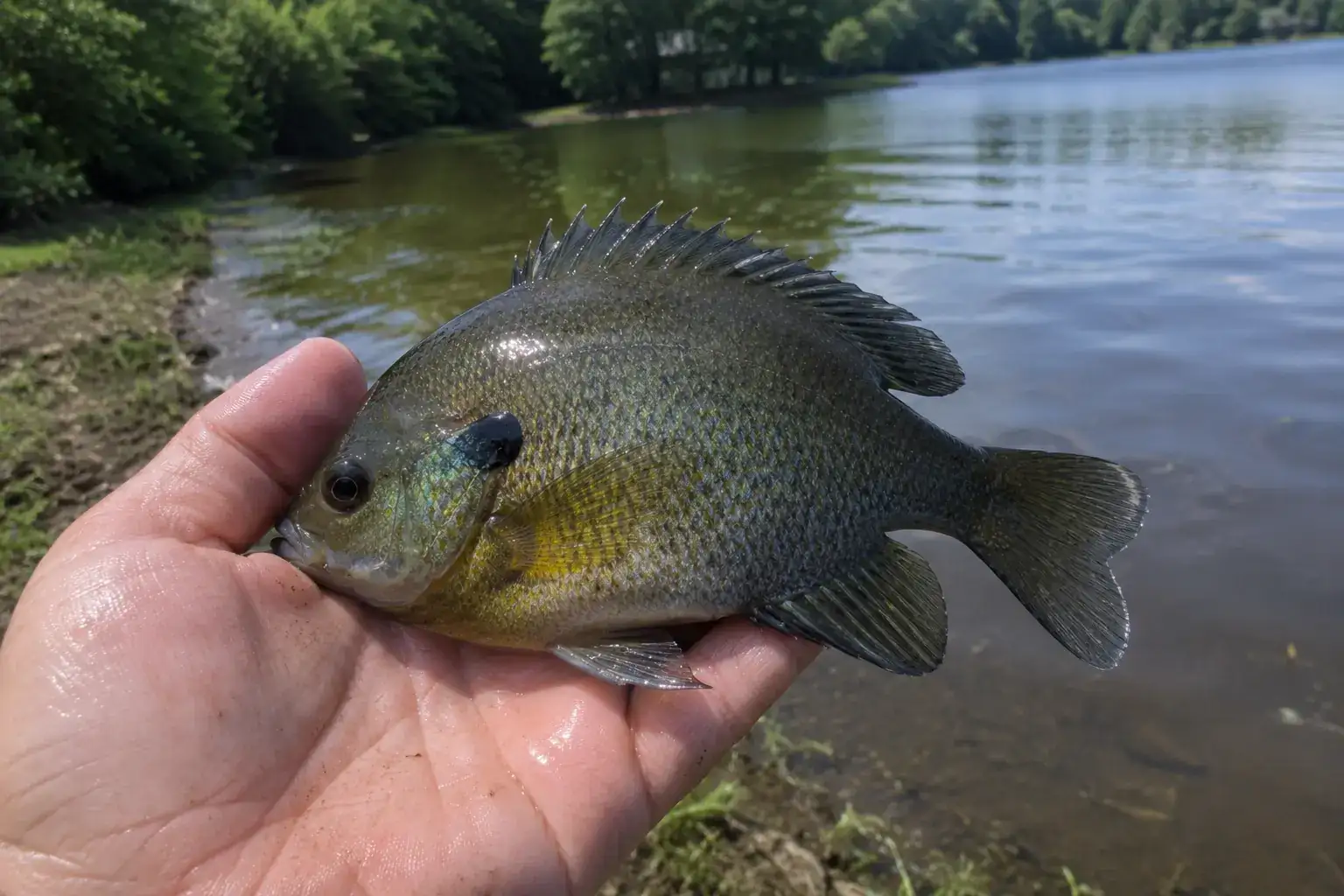
Table of Contents
Why Summer Is a Great Time to Catch Bluegill
Summer bluegill fishing is one of the most enjoyable and productive ways to spend time on the water. Whether you’re fishing from shore, a dock, a kayak, or a boat, knowing how to catch bluegill during summer can dramatically improve your success. As water temperatures rise, bluegill behavior in summer changes, causing fish to move between shallow feeding areas and deeper cover throughout the day.
If you’ve ever wondered where to find bluegill in summer, what the best bait for bluegill is, or how to catch big bluegill in summer, this guide covers everything you need to know.
Before learning how to catch bluegill during summer, it’s important to understand how their behavior changes as water temperatures rise. For more information about bluegill identification, habitat, and characteristics, visit our detailed Bluegill Fish Guide.
1. Understand Bluegill Behavior in Summer
Before learning how to catch bluegill during summer, it’s important to understand how their behavior changes as water temperatures rise. After the spring spawning season ends, bluegill gradually move away from their shallow nesting areas and begin relating to structure, vegetation, and deeper water where food and cover are more abundant.
Throughout the summer, bluegill spend much of their time feeding on insects, aquatic larvae, small crustaceans, worms, and other natural forage. Their location often depends on factors such as water temperature, oxygen levels, available cover, and food sources. Because of this, bluegill may be found in shallow water during the early morning and evening but move deeper or seek shade during the hottest parts of the day.
Larger bluegill are especially known for holding near weed lines, docks, brush piles, fallen trees, and other structures that provides protection from predators while offering easy access to food. These areas create ideal bluegill habitat and consistently attract fish throughout the summer months.
Understanding bluegill behavior in summer is one of the most valuable bluegill fishing tips you can learn. Once you know why fish move and where they prefer to hold, finding active fish becomes much easier and you’ll spend less time searching and more time catching.
According to the U.S. Fish & Wildlife Service’s Bluegill species profile, bluegill are one of the most widespread freshwater sunfish in North America and can be found in a variety of lakes, ponds, reservoirs, and slow-moving streams.
2. Know Where to Find Bluegill in Summer
One of the most common questions anglers ask is where to find bluegill in summer.
Focus your fishing around or on:
- Weed lines
- Lily pads
- Boat docks
- Fallen trees
- Brush piles
- Rocky shorelines
- Creek channels
- Submerged timber
Bluegill fishing around weeds is especially productive because vegetation provides food, oxygen, and protection from predators.
Bluegill fishing around docks can also be highly effective because docks create shade and attract insects throughout the day.
3. Fish Early in the Morning
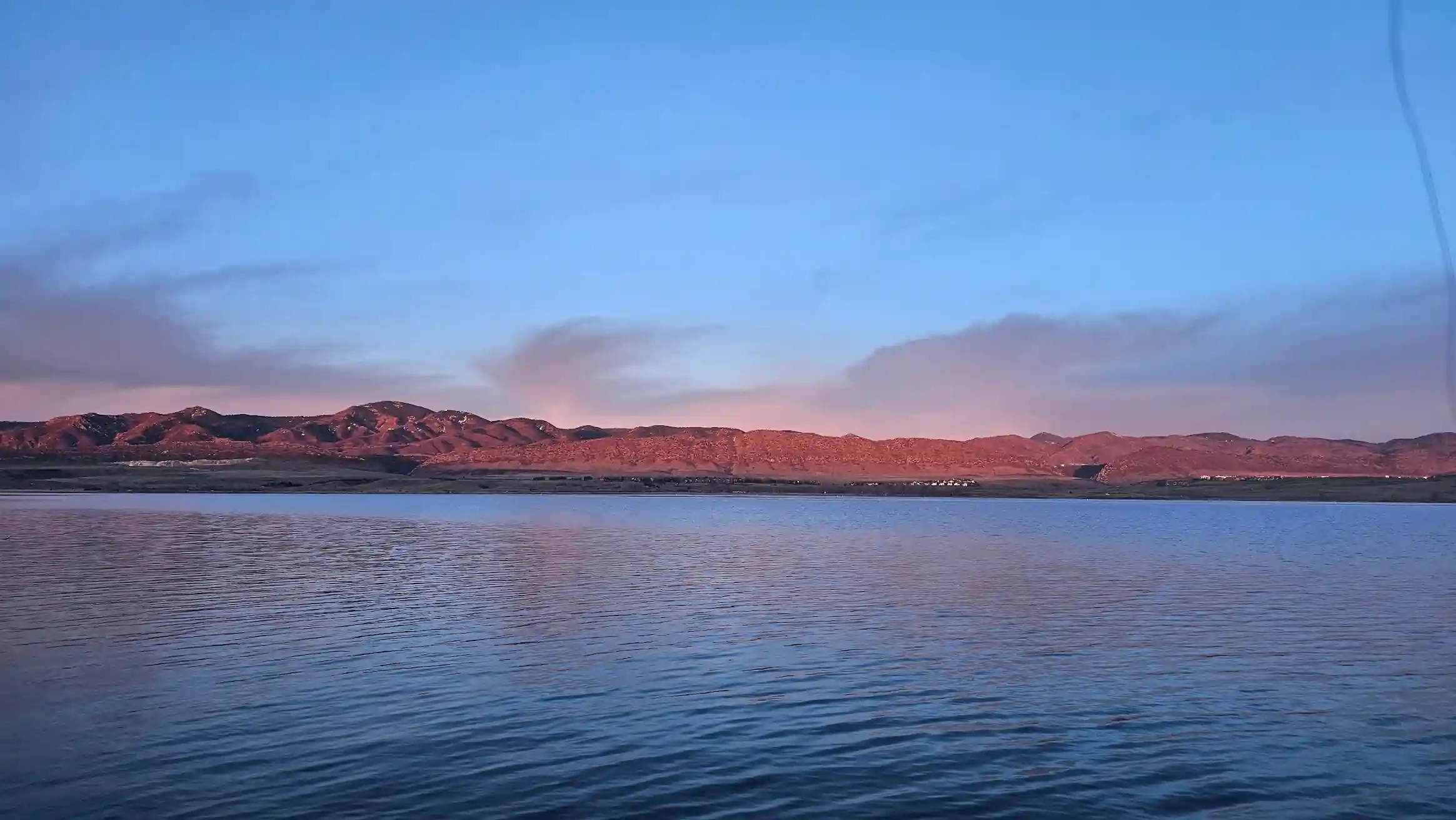
If you’re wondering about the best time to catch bluegill in summer, the early morning hours are hard to beat. During the first few hours after sunrise, water temperatures are cooler, light levels are lower, and bluegill are often actively feeding after spending the night in shallow water.
As the sun rises, bluegill frequently move along weed edges, docks, lily pads, and shoreline structure searching for insects, small minnows, and other natural food sources. This makes early morning one of the most productive times for bluegill fishing from shore, as many fish can be found within easy casting distance.
Morning fishing is also an excellent opportunity to target larger bluegill before recreational boat traffic and increasing temperatures push fish into deeper water. A slip bobber rig, split shot rig, or small jig tipped with live bait can all be highly effective during this feeding window.
Many experienced anglers consider sunrise the best time to catch bluegill in summer because fish are generally more aggressive and easier to locate. Arriving at the water shortly before sunrise can often result in some of the fastest action you’ll experience all season.
4. Don’t Ignore Evening Fishing
Evening fishing can be just as productive as the morning bite.
As temperatures begin to cool, bluegill leave deeper water and move shallow to feed. Summer panfish fishing often peaks during the final hour before sunset.
If you’re wondering how to catch panfish consistently, make sure you fish during these low-light periods whenever possible.
5. Fish Deeper During Hot Weather
Many anglers struggle with catching bluegill in hot weather because they continue fishing shallow all day.
When temperatures rise, fish frequently move deeper.
How deep are bluegill in summer?
Depending on the lake, bluegill may hold anywhere from 4 to 15 feet deep. Larger fish often position themselves near deep weed edges, drop-offs, and submerged structure.
Fishing deeper water is one of the best ways to learn how to catch big bluegill in summer.
6. Use the Best Bait for Bluegill
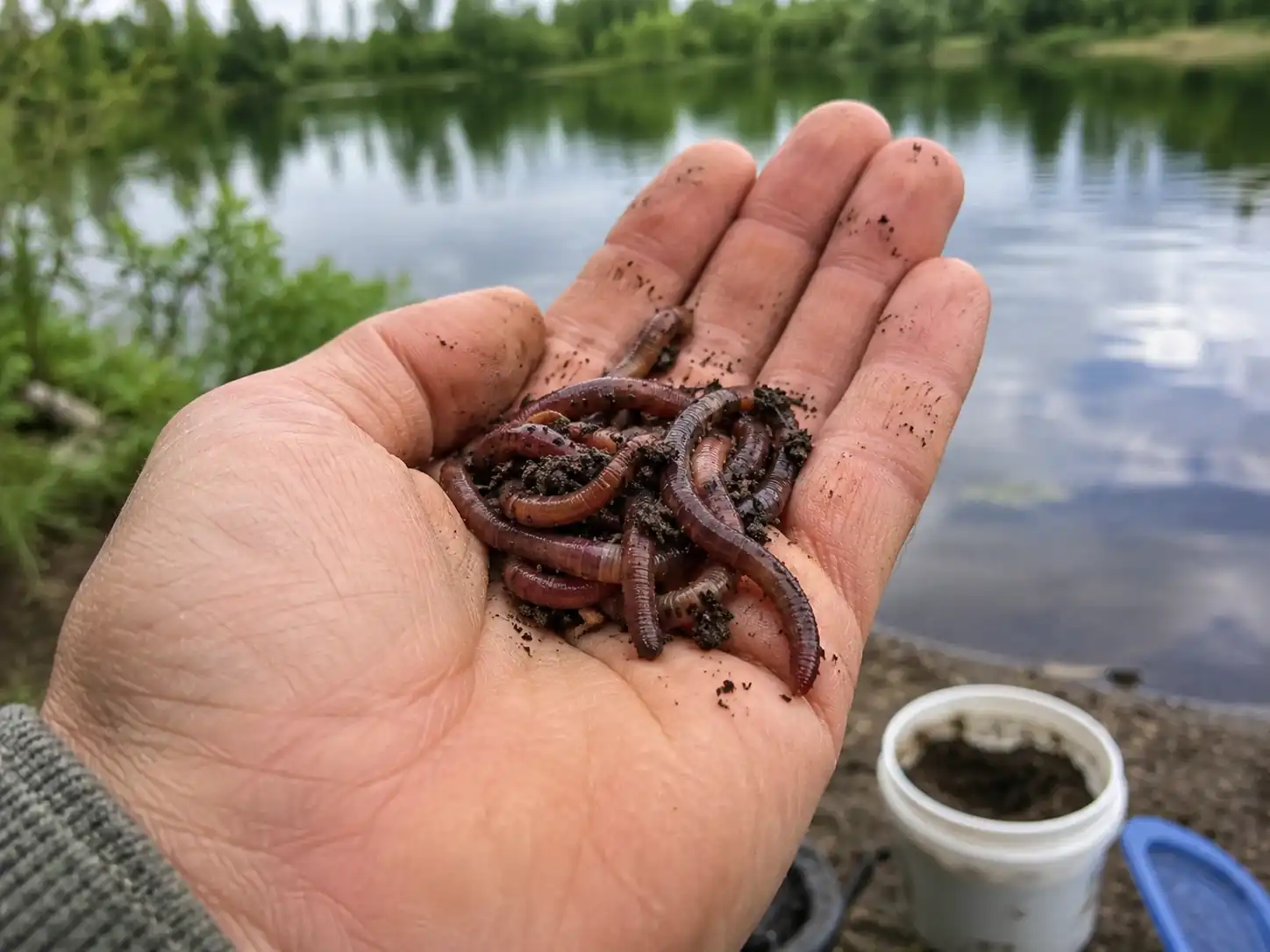
Choosing the best bait for bluegill can dramatically improve your catch rates.
Popular live baits include:
- Worms
- Nightcrawlers
- Wax worms
- Mealworms
- Crickets
A small piece of worm under a bobber remains one of the most effective presentations for summer bluegill fishing.
When anglers ask about the best bluegill bait for summer, live bait is usually the answer.
7. Try Artificial Lures
Artificial lures can be incredibly effective when fish are actively feeding.
Some of the best bluegill lures include:
- Small tube jigs
- Micro swimbaits
- Tiny curly-tail grubs
- Beetle spins
- Inline spinners
Using ultralight bluegill fishing gear helps maximize lure action and improves sensitivity.
Our Go-To Spinner for Bluegill and Panfish

While there are countless bluegill lures on the market, one lure that has consistently produced fish for us is the TRUSCEND Swim or Jig Fishing Spinner Bait in the 3/8-ounce size. Despite being marketed for multiple species, we’ve found it to be extremely effective for bluegill, crappie, and other panfish when worked at a slow, steady retrieve around weed edges, docks, and shoreline structure.
The flashing blade helps attract fish from a distance, while the realistic profile imitates small baitfish that bluegill frequently feed on during the summer. This lure is especially effective when fish are actively feeding and can help anglers cover water much faster than traditional live bait presentations.
If you’d like to try it for yourself, you can check out the TRUSCEND 3/8-ounce Spinner Bait here on Amazon.
As an Amazon Associate, ReelActivities may earn from qualifying purchases at no additional cost to you.
8. Fish a Slip Bobber Rig
A slip bobber rig is one of the most effective and versatile bluegill rigs you can use during the summer. Unlike a traditional fixed bobber, a slip bobber allows you to fish at virtually any depth while still casting easily. This makes it ideal for targeting bluegill that are holding along weed edges, around docks, or suspended over deeper water.
Setting up a slip bobber rig is simple. Start by threading a bobber stop onto your fishing line, followed by a small bead. Next, slide on the slip bobber itself and tie on a small hook or jig. Add one or two split shot weights approximately 6–12 inches above the hook to help your bait sink naturally. The bobber stop determines how deep your bait will fish, allowing you to quickly adjust your presentation until you locate active fish.
To fish the rig, cast near structure such as weed lines, docks, brush piles, or lily pads. Once the rig lands in the water, the bobber will slide up the line until it reaches the bobber stop, positioning your bait at the desired depth. Watch the float closely for any movement. Bluegill bites can range from the bobber slowly sinking beneath the surface to subtle twitches or sideways movement.
A slip bobber paired with live bait such as worms, wax worms, mealworms, or crickets is often considered one of the best bluegill bait presentations available. Small jigs can also be extremely effective when fish are actively feeding.
If you’re unsure where to find bluegill in summer, start by setting your bait 3 to 5 feet deep near vegetation or docks. If you aren’t getting bites, gradually adjust the depth until you locate the school. Many experienced anglers rely on a slip bobber for summer bluegill fishing because it allows them to cover different depths quickly and precisely while maintaining excellent bite detection.
9. Use a Split Shot Rig
The split shot rig is one of the simplest and most effective bluegill rigs for summer fishing. It’s easy to set up, inexpensive, and highly effective when bluegill are holding near the bottom or feeding around structure. Many experienced anglers rely on this presentation when fish become less aggressive or when fishing deeper water.
To set up a split shot rig, tie a small hook to the end of your line and pinch one or two split shot weights approximately 6–12 inches above the hook. The weight helps your bait sink naturally while still allowing it to move freely in the water. For bluegill, small hooks in sizes 6 to 10 work well when paired with live bait.
Some of the best bait for bluegill on a split shot rig includes worms, nightcrawlers, wax worms, mealworms, and crickets. These natural baits create a realistic presentation that bluegill find difficult to resist.
When fishing the rig, cast near productive bluegill habitat such as docks, brush piles, weed edges, fallen trees, or drop-offs. Allow the bait to sink and watch your line closely for movement. Many bluegill bites are subtle and may only appear as a slight twitch or sideways movement of the line.
A split shot rig is especially useful when bluegill move deeper during hot weather. If you’re wondering how deep bluegill are in summer, many fish can be found holding between 4 and 15 feet deep depending on water temperatures and available cover. The added weight helps deliver your bait directly into these strike zones.
While slip bobber rigs excel at targeting suspended fish, a split shot rig is often the better choice when bluegill are feeding near the bottom or holding tightly to structure. Having both setups available can help you adapt to changing conditions and catch more fish throughout the summer.
10. Target Weed Edges
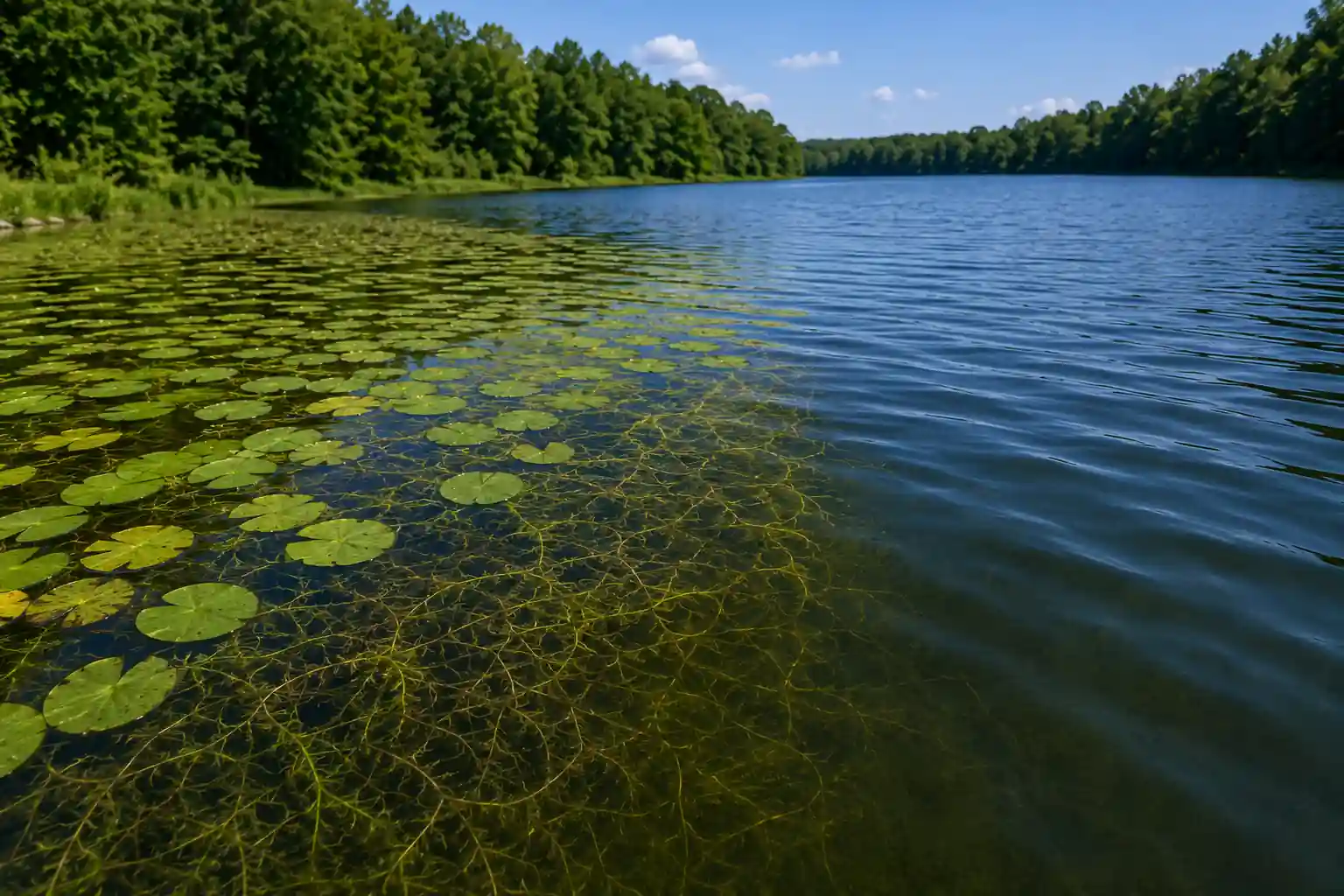
Bluegill fishing around weeds is one of the most reliable ways to catch fish throughout the summer. Healthy aquatic vegetation provides everything bluegill need to thrive, including food, oxygen, shade, and protection from predators.
Weed lines often attract insects, small minnows, aquatic larvae, and other forage that bluegill feed on daily. Because of this, fish frequently patrol the edges of weed beds looking for an easy meal. Focus your casts along the outside edge of vegetation where fish can move between open water and cover.
If you’re wondering where to find bluegill in summer, start by identifying areas with healthy weed growth. Lily pads, submerged grass, milfoil, and coontail can all hold large numbers of fish. Early in the morning, bluegill may move into the shallower portions of the weeds, while during hot weather, they often position themselves along deeper weed edges where water temperatures are more comfortable.
Using small jigs, live bait, or a slip bobber presentation around vegetation is one of the most effective bluegill fishing techniques available during the summer months.
11. Focus on Docks and Shade
Bluegill fishing around docks can be incredibly productive, especially during the hottest parts of the day when fish seek cooler and more comfortable conditions. Docks create shade, reduce light penetration, and provide cover that makes bluegill feel secure.
In addition to offering protection, docks attract insects, algae growth, and small baitfish, creating natural feeding opportunities throughout the day. Bluegill often suspend beneath floating docks, boat slips, and walkways where they can remain hidden while waiting for food to drift by.
When fishing near docks, cast alongside pilings, underneath platforms, and around any nearby vegetation or structure. A small jig, worm, or cricket presented close to the shade line can produce excellent results. Many anglers overlook these areas, which is why larger fish are frequently found beneath docks that receive less fishing pressure.
If you’re learning how to catch big bluegill in summer, docks should be one of the first places you check, particularly during midday when fish are less likely to be found in open water.
12. Use Light Tackle
Using ultralight bluegill fishing equipment makes fishing more enjoyable and increases sensitivity.
A quality ultralight rod paired with 2–6 lb line is perfect for:
- Small jigs
- Live bait
- Bobber fishing
- Shoreline fishing
Light tackle helps detect subtle bites that might otherwise go unnoticed.
13. Pay Attention to Weather
Weather plays a major role in summer panfish fishing.
Stable weather generally produces the best action.
Overcast days often extend feeding activity throughout the day, while a light breeze can improve fishing by pushing food toward shorelines and structure.
These conditions can make catching bluegill in hot weather much easier.
14. Target Bigger Bluegill Differently
Learning how to catch big bluegill in summer requires a different approach than simply catching numbers of fish.
Large bluegill often:
- Hold deeper
- Stay near isolated cover
- Feed during low-light periods
- Avoid heavily pressured areas
If your goal is trophy fish, focus on structure away from popular shore fishing locations.
15. Keep Moving Until You Find Fish
One of the most overlooked bluegill fishing tips is staying mobile. While bluegill often gather in schools, they won’t be spread evenly throughout a lake or pond. You may fish one area for 20 minutes without a bite, then move a short distance and suddenly find dozens of fish.
If you’re not getting consistent action after 15–20 minutes, don’t be afraid to change locations. Focus on productive bluegill habitat such as weed lines, docks, brush piles, fallen trees, and drop-offs. Once you catch a fish, thoroughly work the area because bluegill frequently school together.
Many anglers make the mistake of waiting too long in unproductive water. Successful summer bluegill fishing is often about locating active fish rather than hoping they eventually find your bait. The more water you cover, the better your chances of discovering a feeding school and putting together an unforgettable day of fishing.
Final Thoughts on How to Catch Bluegill During Summer
Learning how to catch bluegill during summer doesn’t have to be complicated. Focus on understanding bluegill behavior in summer, locating productive bluegill habitat, and using the best bait for bluegill available.
Whether you’re fishing from shore, targeting docks, working weed lines, or exploring deeper structure, these bluegill fishing tips will help you catch more fish throughout the season.
Remember that the best time to catch bluegill in summer is usually early morning and evening, but fish can be caught all day when you adapt to changing conditions. By applying these bluegill fishing techniques and understanding where to find bluegill in summer, you’ll enjoy more productive days on the water and have a better chance of catching the trophy-sized fish every angler dreams about.
💡Takeaways
📌Understand Bluegill Summer Behavior
Bluegill move away from shallow spawning areas after spring and spend summer relating to weed lines, docks, brush piles, and deeper water where food and cover are abundant.📌Fish During Low-Light Periods
The best time to catch bluegill in summer is typically early morning and evening when cooler temperatures encourage fish to move shallow and feed actively.📌Target Productive Structure
Weed edges, lily pads, docks, fallen trees, brush piles, and submerged timber consistently hold bluegill throughout the summer months.📌Fish Deeper During Hot Weather
As water temperatures rise, bluegill often move into deeper water near drop-offs and deep weed lines, especially during the middle of the day.📌Use Proven Bluegill Baits
Live bait such as worms, wax worms, mealworms, crickets, and nightcrawlers remains some of the best bait for bluegill during summer.📌Don’t Overlook Artificial Lures
Small tube jigs, inline spinners, micro swimbaits, and rooster-tail-style lures can be highly effective when bluegill are actively feeding.📌Master the Slip Bobber Rig
A slip bobber rig allows anglers to precisely target suspended bluegill at different depths while maintaining excellent bite detection.📌Keep a Split Shot Rig Ready
A split shot rig excels when bluegill are holding near the bottom or relating tightly to structure during hot summer conditions.📌Focus on Weed Edges and Docks
Healthy vegetation and shaded docks provide food, protection, and cooler water, making them some of the most reliable summer bluegill locations.📌Stay Mobile and Cover Water
Successful summer bluegill fishing often comes down to locating active schools rather than waiting for fish to find your bait.
FAQ
Are bluegill fish good to eat?
Yes, bluegill are considered one of the best-tasting freshwater fish in North America. They have mild, white, flaky meat with very little fishy flavor. Many anglers enjoy eating bluegill because they are abundant, easy to catch, and excellent when fried, grilled, or baked.
What fish is mistaken for bluegill?
Bluegill are commonly mistaken for other sunfish species such as pumpkinseed sunfish, redear sunfish, green sunfish, and longear sunfish. These fish share a similar body shape and coloration, making identification difficult for inexperienced anglers.
Is a bluegill a crappie?
No, a bluegill is not a crappie. While both are popular freshwater panfish, bluegill belong to the sunfish family and have a rounder body shape. Crappie are generally larger, have a more compressed body, and feature distinctive black or white speckled patterns.
What is the best bait to catch a bluegill?
The best bait for bluegill is typically live bait such as worms, nightcrawlers, wax worms, mealworms, and crickets. Small jigs, inline spinners, and micro swimbaits can also be highly effective, especially during active feeding periods in summer.
What time of day do bluegill bite best?
Bluegill usually bite best during the early morning and evening hours when water temperatures are cooler and fish move into shallow water to feed. These low-light periods often provide the most consistent action throughout the summer.
What lure was banned from bass tournaments?
The Alabama Rig, also known as an umbrella rig, has been restricted or banned in some bass tournaments because it allows anglers to present multiple baits simultaneously. Tournament rules vary by organization, so anglers should always check current regulations before competing.

Jesse Earl – Author
Jesse Earl is a passionate freshwater angler and the founder of Reel Activities. When he’s not testing gear or writing how-to guides, you’ll find him exploring hidden lakes, chasing walleye, or casting from the shoreline with a cup of gas station coffee in hand.