
Warmouth (Lepomis gulosus)

Warmouth Sunfish (Lepomis gulosus) are thick-bodied, red-eyed panfish known for their large, bass-like mouths and aggressive strikes. Found in weedy, murky waters across the southeastern and central U.S., they’re a resilient and exciting species to catch on light tackle.
This hardy sunfish bridges the gap between sunfish and bass, offering an exciting challenge for anglers using light tackle and a valuable role in aquatic food chains.
This guide covers everything you need to know about the warmouth—from identification tips to habitat, diet, and fishing tactics.
How to Identify a Warmouth Sunfish
Warmouths have a stocky build and fierce appearance, making them stand out among sunfish species. Their camouflage-like patterns and large mouths reflect their ambush-predator lifestyle. The Warmouth Sunfish is often mistaken for green sunfish or rock bass due to its body shape and red eyes.
Key Traits:
- Coloration: Mottled brown, olive, and bronze with darker vertical bars and a pale belly.
- Eyes: Bright red or reddish-orange eyes—one of the easiest field identifiers.
- Mouth: Large, bass-like mouth that extends past the eye when open.
- Opercular Flap: Short and rounded with a dark spot and thin reddish edge.
- Fins: Rounded pectoral fins and spiny dorsal fin with faint striping.
- Size: Typically 6–8 inches, with some reaching up to 10 inches in slow, fertile waters.
Juvenile warmouths are often confused with green sunfish but can be distinguished by their red eyes and more robust body shape.
Differences from Similar Sunfish
Because warmouths overlap in range and habitat with other Lepomis species, confusion is common. Here’s how they differ:
- Green Sunfish: Similar mottled pattern and big mouth, but green sunfish have longer, more pointed pectoral fins and more distinct turquoise facial lines.
- Rock Bass: Another red-eyed sunfish, but rock bass have 6–8 anal fin spines (vs. 3 in warmouth), and a rounder, flatter body.
- Bluegill: Smaller mouth, longer pectoral fins, and lacks mottling or red eyes.
- Largemouth Bass: Much longer body and different fin structure—warmouths have a shorter, deeper body with a continuous dorsal fin.
Proper ID is important when microfishing or surveying biodiversity in vegetated wetlands and oxbow lakes.
Habitat: Where to Find Warmouth Sunfish
Warmouths are extremely adaptable and tolerant of poor water clarity and low oxygen levels, making them common in environments where other sunfish might not thrive.
Preferred Environments:
- Swamps & Backwaters: Especially in the Southeast; look near cypress knees and tangled roots.
- Ponds & Lakes: Often found in warm, weedy areas with lots of cover.
- Slow-moving Streams: In muddy or silty water with woody debris or aquatic vegetation.
- Urban Waters: Surprisingly tolerant of runoff and low visibility, they persist in canals and retention ponds.
In Texas, the Warmouth Sunfish is most commonly found in eastern swamps, ponds, and oxbows, though it’s rarely targeted by anglers directly. Texas Parks and Wildlife provides a helpful species profile and habitat overview.
Their ability to survive in marginal water conditions makes them a reliable resident species in many overlooked fishing spots.
Spawning and Reproductive Behavior
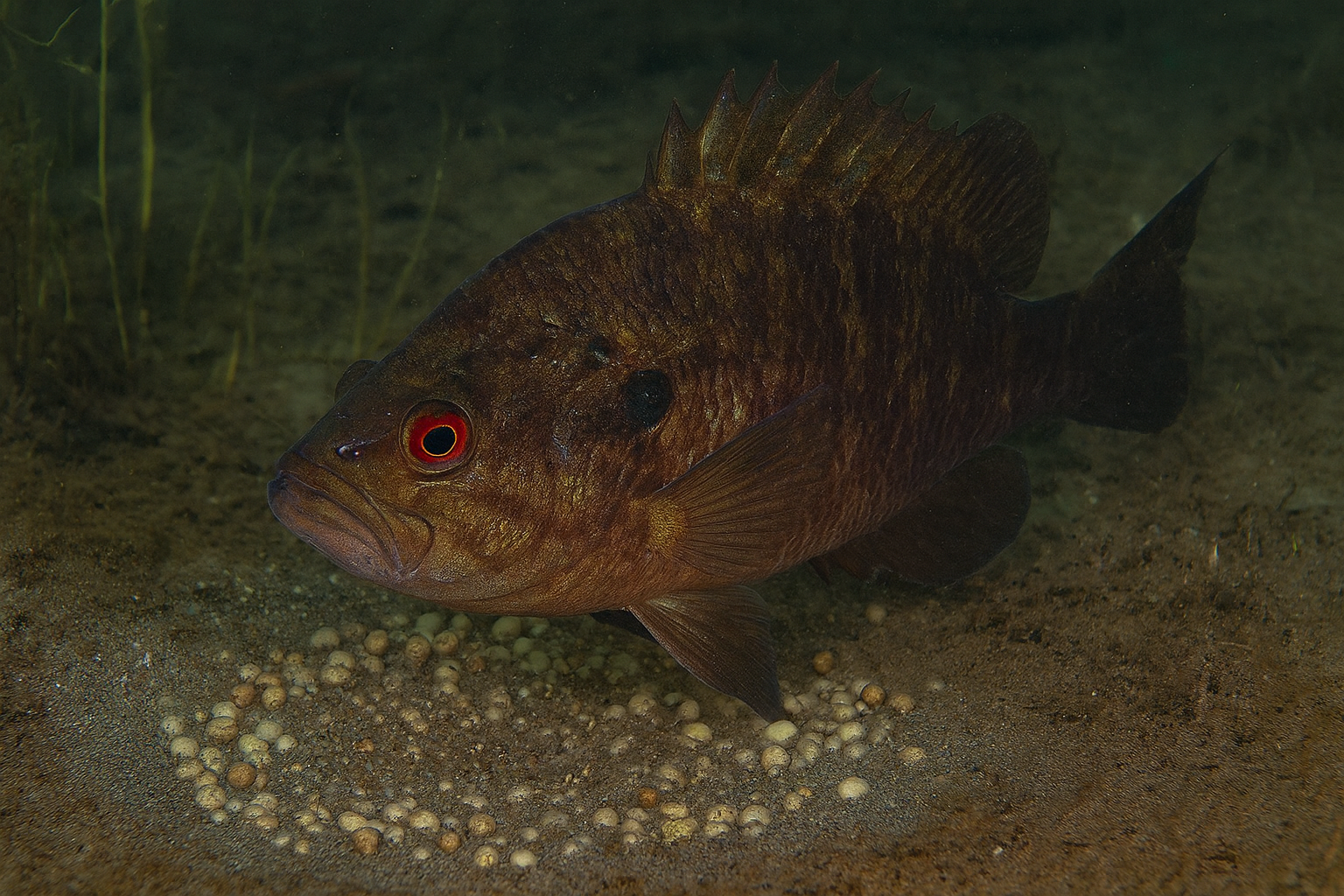
Like other sunfish, warmouths are nest builders and attentive parents.
When Do They Spawn?
- Season: Spring through summer, typically April to August
- Temperature: Begin spawning when water reaches ~70°F (21°C)
Spawning Behavior:
- Nest Building: Males fan out bowl-shaped nests in firm mud, sand, or gravel, often near vegetation.
- Courtship: Males darken in color and display aggressive behavior to attract mates.
- Guarding: Males vigilantly guard the nest and newly hatched fry.
Warmouths may spawn more than once per season and often nest in solitary locations or loose colonies.
Activity Patterns and Feeding Habits
Warmouths are ambush predators that rely on stealth and cover to surprise their prey.
Daily Activity:
- Most active at dawn and dusk, but will feed during the day in shady, covered areas.
- Often seen lurking under docks, logs, and mats of vegetation.
What Do They Eat?
- Crustaceans: Crayfish and amphipods are favorite targets.
- Insect Larvae: Aquatic insects like dragonfly nymphs, midges, and beetles.
- Minnows & Fry: Small fish and even other sunfish species.
- Worms & Leeches: Opportunistic feeders that snap up soft-bodied invertebrates.
Their large mouth and fast strike make them top-tier ambush predators among panfish.
How to Catch Warmouth
Warmouths strike aggressively and fight hard, making them ideal for casual anglers or urban fishing adventures. Many anglers enjoy targeting Warmouth Sunfish with ultralight gear in shallow, weedy waters.
Recommended Gear:
- Rod & Line: Light to ultralight spinning rod, 4–8 lb test
- Hooks: Size 6–10 hooks or 1/16–1/8 oz jigs
- Presentation: Pitch baits near heavy cover, submerged logs, or lily pads
Best Baits:
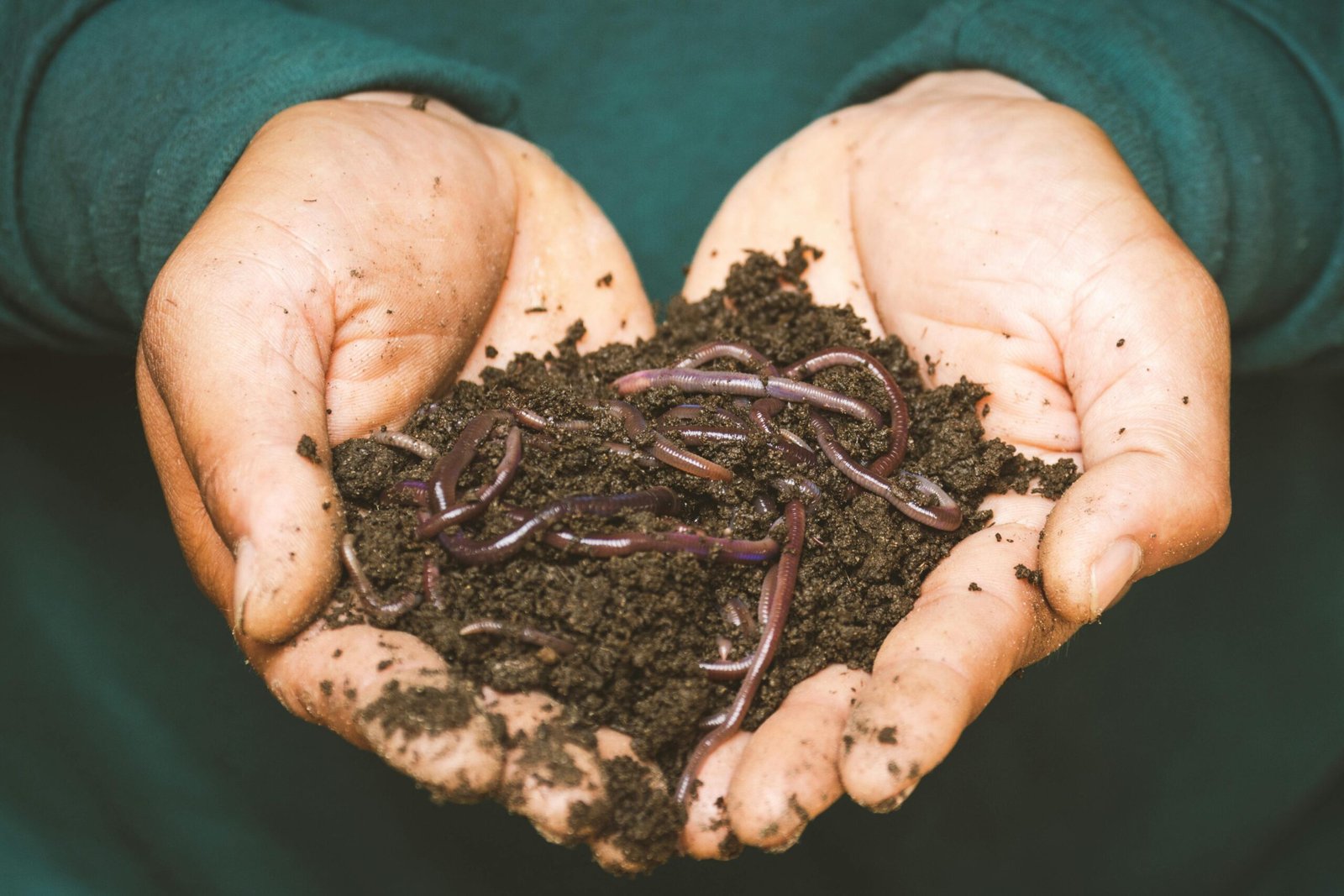
- Natural: Worms, crickets, minnows, grass shrimp
- Artificial: Tiny spinnerbaits, inline spinners, soft plastic grubs, or small crankbaits
- Fly Fishing: Streamers and weighted nymphs around brush or fallen trees
Tips:
- Use bobbers or tightline rigs to fish near structure
- Try flipping baits into dark holes or under mats—where warmouth love to hide
- Be ready for a strong strike, especially in summer evenings
Warmouths are perfect for urban ponds, bayous, or swampy creeks, and make a great target for kids and beginners.
Conservation Status and Ecological Role
Warmouths are not endangered and are stable across most of their range—but like all native species, they benefit from good water quality and intact habitat. Though not endangered, the Warmouth Sunfish plays an important role in balancing aquatic ecosystems.
Ecological Importance:
- Control mosquito larvae and aquatic invertebrate populations
- Prey for larger gamefish, wading birds, snakes, and turtles
- Contribute to the food web in slow-moving, low-oxygen ecosystems
Conservation Notes:
- Threats: Wetland drainage, pollution, invasive aquatic vegetation
- Solutions: Preserve backwaters, restore riparian zones, maintain vegetation buffers around water
Their resilience makes them a key species in marshes and lowland waters where few sunfish thrive.
Why the Warmouth Deserves Attention
Though not as flashy as the longear or as well-known as the bluegill, the warmouth is a scrappy, adaptable fighter that thrives where others won’t. Its large mouth, red eyes, and bold nature make it one of the most exciting sunfish to target in overgrown ponds and muddy creeks.
Whether you’re exploring forgotten swamps, looking for an urban microfishing target, or simply want to experience the bite of a true creek predator, the warmouth delivers. It’s a survivor, a hunter, and a panfish with attitude.
Want to try catching one? Don’t forget your license—check out our Fishing License page for quick links to your state’s regulations.
💡Takeaways
- 📌Warmouth Sunfish Are Aggressive PanfishThe Warmouth Sunfish is a powerful, hard-hitting panfish that delivers bass-like strikes, making it a popular catch for ultralight anglers in shallow, weedy waters.
- 📌How to Identify a Warmouth SunfishEasily recognized by its red eyes, thick body, large mouth, and mottled brown coloration, the Warmouth Sunfish is often mistaken for green sunfish or rock bass.
- 📌Warmouth Sunfish Habitat Is Murky and WeedyUnlike many sunfish species, Warmouth thrive in muddy, low-oxygen habitats like swamps, urban ponds, and backwater creeks with dense vegetation.
- 📌What Warmouth Sunfish EatAs ambush predators, Warmouth feed on crayfish, insect larvae, minnows, and worms, striking quickly from cover in slow-moving water.
- 📌Warmouth Sunfish Spawning BehaviorFrom spring to late summer, male Warmouth Sunfish build nests in sand or mud and aggressively guard their eggs and fry in shallow, protected areas.
FAQ
Is a warmouth a bluegill?
No, a Warmouth is not a bluegill. While both are sunfish species in the Lepomis genus, the Warmouth (Lepomis gulosus) has a larger, bass-like mouth, red eyes, and a more mottled, camouflaged appearance. Bluegill have a smaller mouth, longer pectoral fins, and a more rounded body shape.
What’s the difference between a green sunfish and a warmouth?
Green sunfish and warmouth are often confused due to their similar colors and big mouths. However, warmouth have red eyes, a thicker body, and shorter pectoral fins, while green sunfish typically show more turquoise markings and longer, more pointed fins.
Are warmouth fish rare?
Warmouth are not rare, they’re actually common in much of the southeastern and central United States. They’re often overlooked because they thrive in murky, weedy, or urban waters where few anglers target them intentionally.
Is warmouth good eating?
Yes, warmouth are considered good eating. Like other sunfish, their white flesh is mild, flaky, and perfect for frying. Due to their smaller size, they’re often cooked whole or filleted when large enough.
Are warmouth rare in Texas?
No, warmouth are not rare in Texas. In fact, they are commonly found in east and southeast Texas, especially in swamps, ponds, and slow-moving streams with heavy vegetation and muddy bottoms.
Is sunfish healthy to eat?
Yes, sunfish like warmouth are generally healthy to eat. They are low in fat, high in protein, and contain beneficial nutrients like omega-3 fatty acids. Just be sure to follow local fish consumption advisories if fishing in polluted waters.