
Common Carp (Cyprinus carpio)

The Common Carp (Cyprinus carpio) is one of the world’s most widespread freshwater fish species and one of the most misunderstood. Originally native to Europe and Asia, the species was introduced to North America in the 1800s as a food fish. Over time, it has naturalized in nearly every U.S. state, thriving in lakes, ponds, reservoirs, and slow-moving rivers. Despite being labeled “invasive” in many areas, the common carp has become a favorite among dedicated anglers who appreciate its intelligence, strength, and the sheer challenge it presents when hooked.
This comprehensive guide will cover everything you need to know about the common carp: identification traits, habitat preferences, feeding and spawning behavior, seasonal activity, diet, effective fishing strategies, gear recommendations, conservation discussions, and its ecological impact. For official biological data and conservation notes, visit the USGS common carp profile.
For more freshwater fishing tips, gear guides, and species identification resources, visit ReelActivities.com.
How to Identify a Common Carp
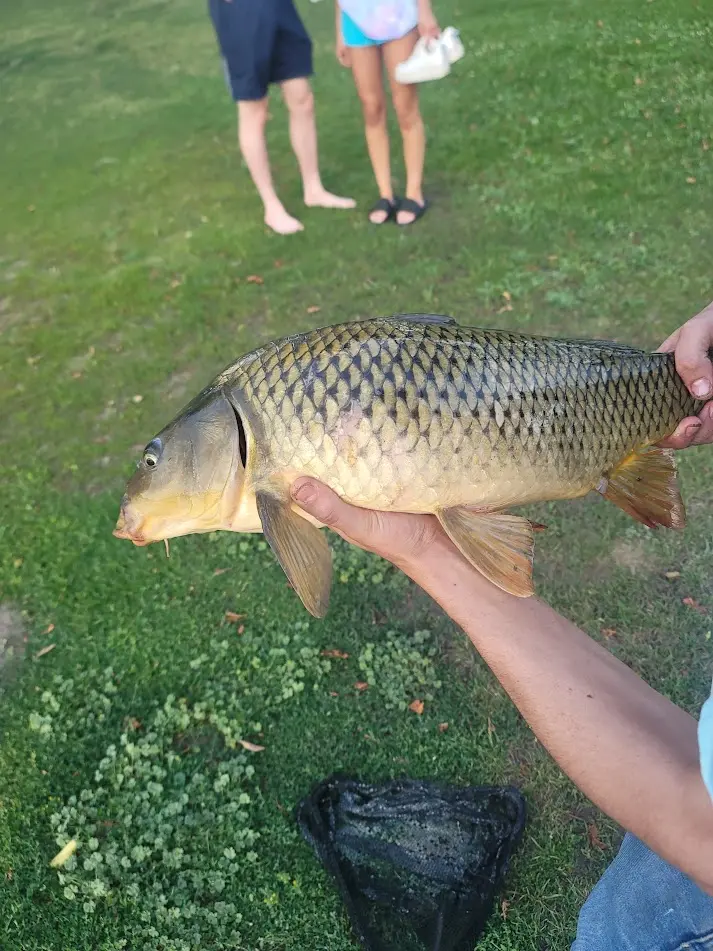
Common carp have several distinct physical features that make them easy to recognize:
Body Shape: Deep-bodied and heavily built, with a slightly humped back and long dorsal fin running nearly two-thirds the length of the body.
Coloration: Typically bronze-gold to olive-brown with a yellowish underside. In murky waters, colors appear darker, while clear-water carp are more golden.
Scales: Large, regular, and shiny, covering the entire body (unlike mirror carp, which have patchy scales).
Mouth and Barbels: A protrusible, downward-facing mouth with two pairs of sensory barbels used to locate food in sediment.
Size: Most range between 10–30 pounds and 20–35 inches, though exceptional specimens can exceed 60 pounds in U.S. waters.
Carp can be mistaken for native suckers or buffalo fish, but their barbels and large scales are distinct identifying features.
Habitat: Where to Find Common Carp
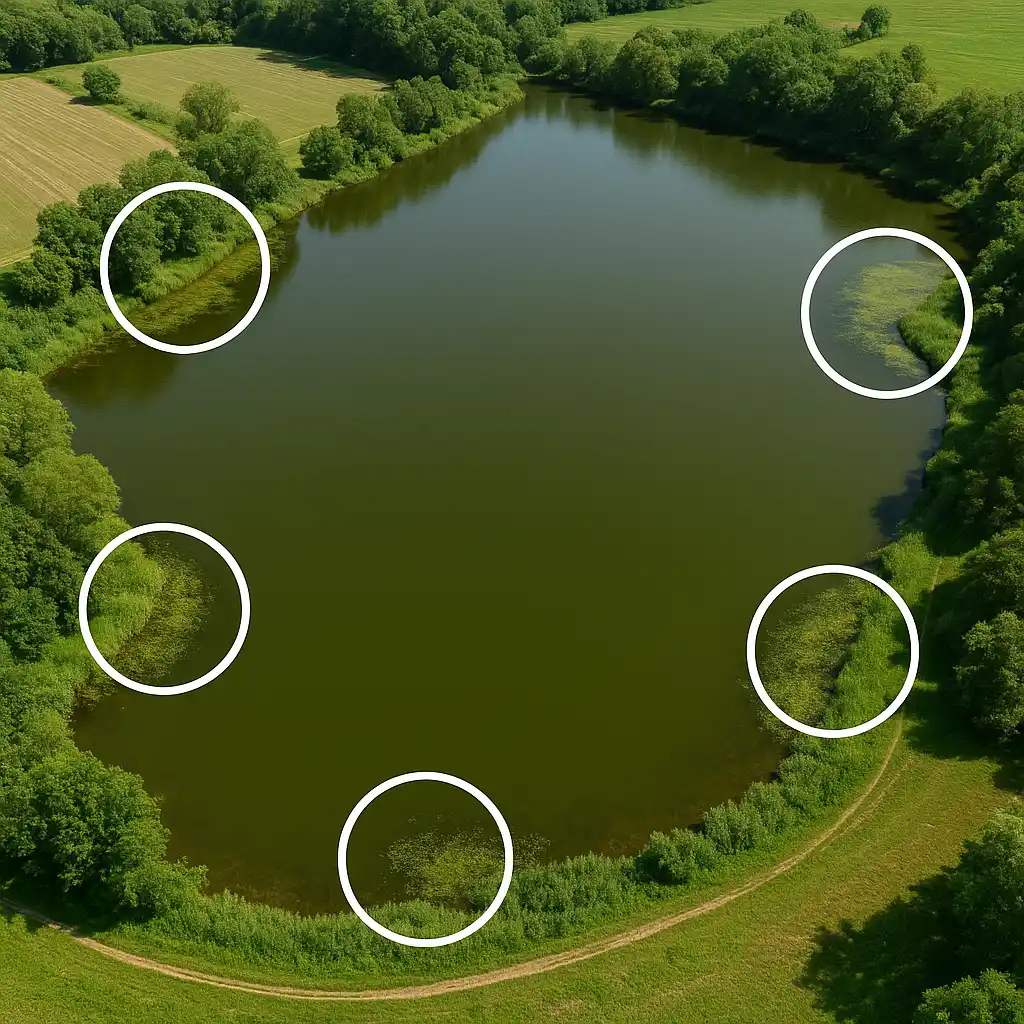
Common carp thrive in an impressive range of freshwater habitats across the continental United States, making them one of the most widely distributed and resilient fish species. Their adaptability to varying water temperatures, depths, and conditions has made common carp fishing possible in nearly every region — from the Great Lakes to southern farm ponds and western reservoirs.
Lakes and Ponds: Carp prefer calm, nutrient-rich waters with soft, muddy, or silty bottoms that allow them to root for food. They often feed along shallow margins, particularly near weed beds, cattails, or submerged vegetation where insects and organic matter accumulate. Smaller ponds with consistent warmth and steady food sources are ideal environments for large, slow-growing carp.
Rivers and Reservoirs: In river systems, carp seek out slow-moving sections, side channels, and deep backwaters where current is gentle but food is abundant. In reservoirs, they patrol bays, inflow areas, and mud flats—especially near creeks or coves where sediment and nutrients collect.
Water Quality and Temperature: One of the key reasons for carp’s success is their incredible tolerance for low oxygen and high turbidity. Unlike many native game fish, they can thrive in murky or heavily vegetated waters, surviving in conditions that would drive other species away. Warmer temperatures between 65°F and 80°F typically trigger their most active feeding behavior.
Cover and Structure: Carp are structure-oriented fish. They gravitate toward submerged logs, dock pilings, weed edges, and sunken debris, using these areas for both feeding and shelter. During hot summer days, they rest in shaded or deeper spots, venturing into the shallows at dawn and dusk.
Because of their remarkable adaptability, carp habitat and behavior vary with location and season. Whether you’re targeting them in a quiet farm pond, a bustling river system, or a suburban reservoir, understanding their preferred environments can dramatically improve your success. Today, carp are found in nearly every U.S. state except Alaska, and their populations continue to thrive due to their resilience and diverse diet.
Spawning and Reproductive Behavior
Carp spawning is one of the most spectacular events in freshwater systems:
- Timing: Usually occurs in late spring to early summer when water temperatures reach 63°F–75°F (17°C–24°C).
- Method: Carp move into shallow, weedy areas where females release eggs and multiple males fertilize them simultaneously.
- Eggs: A single female can lay over 500,000 eggs per season, attaching them to vegetation.
- Parental Care: Carp do not guard their eggs; instead, survival depends on the abundance of vegetation and stable water conditions.
During spawning, carp are extremely active and visible near shorelines, making them easy to spot but difficult to catch.
When Are Common Carp Most Active?
Carp behavior changes noticeably with the seasons and time of day:
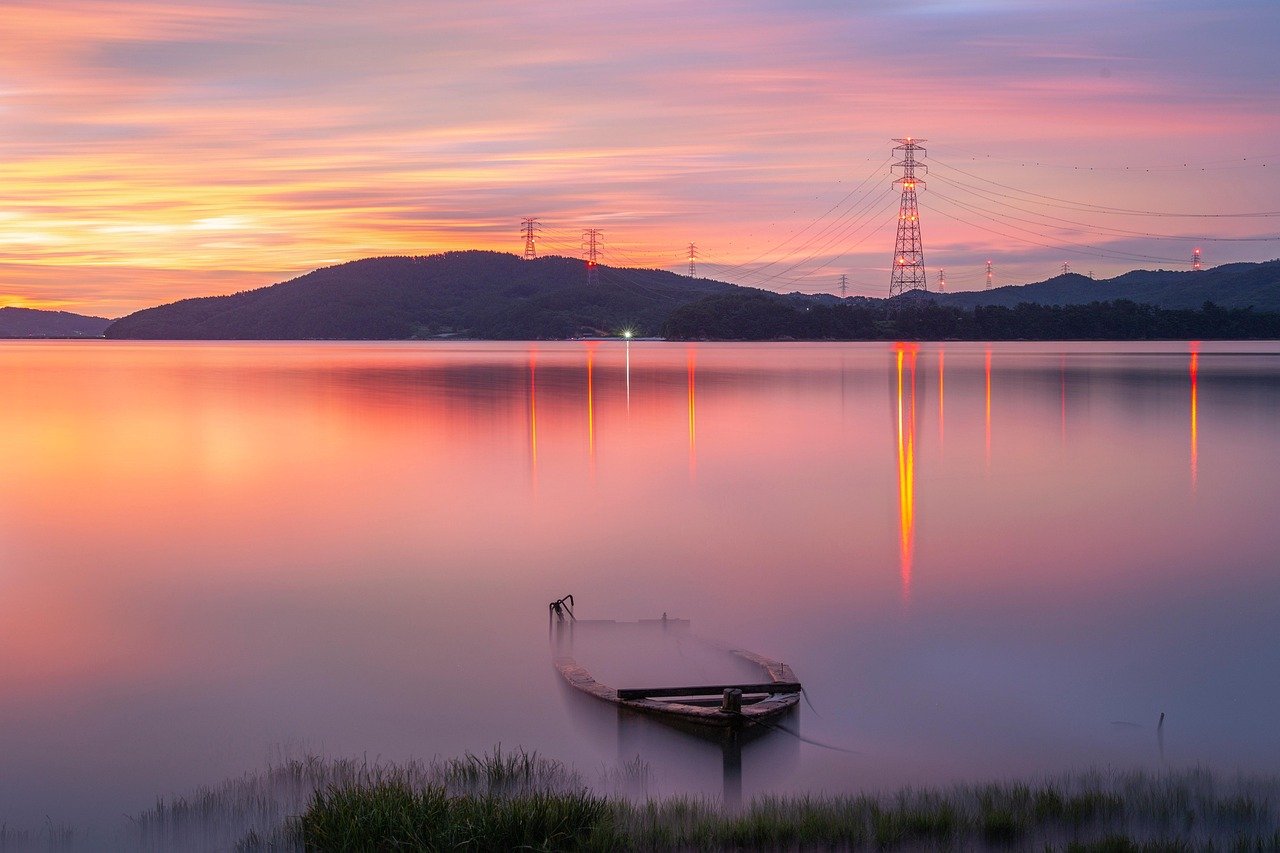
- Spring: Feeding increases as water warms. Fish move to shallow bays and flats.
- Summer: Most active in early morning and late evening; mid-day activity slows during hot weather.
- Fall: Carp feed heavily to store energy for winter, making this the best time for trophy catches.
- Winter: Activity slows; carp congregate in deeper water and feed less, but can still be caught with patient tactics.
Daily feeding peaks often occur around dawn and dusk, when light levels are low and carp feel safest.
What Do Common Carp Eat?
Carp are opportunistic omnivores with a remarkably diverse diet:
- Aquatic insects and larvae
- Worms, snails, and crustaceans
- Plant matter, algae, and seeds
- Detritus and organic sediment
Their sensitive barbels help them detect food buried in soft substrates. This bottom-feeding behavior can stir up sediment, earning carp a controversial reputation among ecologists, though this same trait helps recycle nutrients in certain ecosystems.
How to Catch Common Carp
Carp fishing requires patience, stealth, and strategy. Their intelligence makes them challenging yet rewarding targets.
Recommended Gear:
Medium-heavy to heavy rods (7–9 ft), strong reels with smooth drags, and 10–20 lb test monofilament or braided line.
Use dedicated carp rigs such as hair rigs, bolt rigs, or method feeders.
Effective Baits:
Sweet corn, doughballs, flavored boilies, bread, or homemade mixes of cornmeal, oats, and molasses.
Pre-baiting an area for several days often improves success.
Presentation Tips:
Cast near edges of weed beds, drop-offs, and muddy flats.
Stay quiet and minimize disturbance—carp are easily spooked.
Use light leads in calm water and heavier ones in current.
For anglers seeking professional help, visit our Freshwater Fishing Guides page to connect with local experts who specialize in carp fishing techniques.
Conservation and Ecological Role
While common carp are often seen as invasive, their ecological role is complex:
- Ecological Impact: Carp can uproot vegetation and increase turbidity while feeding, altering aquatic ecosystems.
- Regulation: Some states classify carp as invasive and encourage harvest; others manage them as sport fish.
- Conservation Efforts: Catch-and-release is common among dedicated carp anglers, emphasizing selective harvest and ecosystem balance.
Anglers are encouraged to handle carp carefully and release them promptly, especially large breeding fish that sustain healthy populations.
For updates on freshwater fishing news, conservation stories, and species management across the U.S., visit our Fishing News page.
Why Fish for Common Carp?
Carp are often referred to as the “freshwater giants” of North America — and for good reason. Their combination of size, intelligence, and power makes them one of the most rewarding challenges in freshwater fishing. Whether you’re a seasoned angler or just starting out, common carp fishing offers a level of excitement and strategy unlike any other species.
A hooked carp can deliver heart-pounding runs, unpredictable bursts of speed, and impressive stamina that test even experienced anglers. On light tackle, their strength and endurance create a battle that rivals much larger saltwater fish. This is why carp have earned a reputation among dedicated anglers as one of the best sport fish to target in both urban and rural waters.
What sets carp apart is their behavioral intelligence. They quickly learn from angling pressure, become cautious around baited areas, and demand thoughtful presentation and stealth. Successful carp anglers rely on refined techniques — such as hair rigs, method feeders, and subtle baiting strategies — making carp angling techniques as much about patience and precision as strength.
In addition to the thrill of the catch, carp play a meaningful ecological and recreational role. They contribute to nutrient cycling by stirring sediment and redistributing organic matter through their feeding activity. While this behavior sometimes clouds the water, it also helps release nutrients that support aquatic food webs.
From an accessibility standpoint, carp are one of the most available sport fish in North America. They inhabit city lakes, rivers, ponds, and reservoirs — offering an affordable and inclusive angling opportunity without the need for boats or specialized gear. For many newcomers, catching their first carp is the moment they realize that trophy-class fishing can happen close to home.
For anglers who appreciate both challenge and reward, common carp fishing combines the thrill of the fight, the strategy of the setup, and the satisfaction of connecting with one of freshwater’s most resilient and powerful species. It’s no surprise that the carp, once dismissed as a “rough fish,” has now become a symbol of patience, respect, and skill within the global angling community.
For official biological data and conservation notes, visit the USGS common carp profile and the Montana Field Guide common carp page.
💡Takeaways
📌Common Carp Are One of the Most Widespread and Adaptable Freshwater Fish
Originally from Europe and Asia, common carp now thrive in nearly every U.S. state except Alaska. Their ability to tolerate warm water, low oxygen, and high turbidity has made them one of the most resilient and widely distributed fish in North America.📌Distinct Physical Features Make Carp Easy to Identify
Common carp stand out with their deep-bodied shape, large shiny scales, long dorsal fin, and two pairs of barbels near the mouth. Their bronze-gold coloration and size—often 10–30 pounds—help differentiate them from suckers and buffalo fish.📌Carp Prefer Calm, Nutrient-Rich Waters With Abundant Structure
Lakes, ponds, slow rivers, and reservoirs are prime habitats for carp. They feed around weed beds, muddy bottoms, docks, and submerged logs, moving to shallow flats during warm months and deeper water during extreme temperatures.📌Seasonal Behavior Strongly Influences Carp Feeding and Activity
Carp become active in spring, feed lightly through hot midsummer, and enter peak feeding mode in fall when they bulk up for winter. Dawn and dusk are the best daily feeding periods, offering ideal windows for successful fishing.📌Carp Are Omnivores With a Diverse Diet and Powerful Foraging Tools
Using sensitive barbels, carp locate insects, larvae, worms, seeds, and detritus buried in sediment. Their bottom-feeding behavior stirs up nutrients and organic material, influencing water clarity and overall ecosystem dynamics.📌Carp Fishing Requires Stealth, Strategy, and Specialized Rigs
Successful carp fishing relies on patience and precision. Techniques like hair rigs, bolt rigs, and method feeders paired with baits such as sweet corn, bread, or boilies produce reliable results, especially when anglers pre-bait their spots.
FAQ
Why is common carp a problem?
Common carp can become a problem in certain waters because their bottom-feeding behavior uproots vegetation and stirs up sediment. This increases turbidity and can alter habitats for native species. While carp play a role in nutrient cycling, their feeding activity sometimes clouds water and contributes to ecological imbalance, which is why some states classify them as invasive.
Will common carp clean a pond?
Common carp do not clean ponds. Instead, their feeding behavior often disturbs the bottom, pulling up plants and releasing sediment into the water. This can reduce clarity and change the pond’s ecological balance. Although their foraging helps redistribute nutrients, it does not result in a “cleaner” pond in the traditional sense.
What is the difference between a common carp and a grass carp?
A common carp has large, shiny scales across the entire body and two pairs of barbels on the mouth, which it uses to locate food in soft sediment. Grass carp do not have these barbels and have different feeding habits, making the two species easy to tell apart. Common carp are omnivorous bottom-feeders, while grass carp primarily consume vegetation.
Are common carp good to eat?
Common carp have historically been used as a food fish and were intentionally introduced to North America for that purpose. While the post focuses on their role as a sport fish rather than table fare, they are edible and have been eaten around the world for centuries. Today, many anglers in the U.S. choose catch-and-release, especially for large breeding carp that sustain healthy populations.
Why don’t we eat carp?
In many parts of the U.S., carp are viewed as “rough fish” or invasive, which affects public perception more than their actual quality as food. Many anglers practice catch-and-release to support conservation and because carp fishing is valued for the challenge, power, and sport rather than harvest. Cultural attitudes—not the fish itself—are the main reason carp are not commonly eaten.
How much is a 20-pound carp?
The post does not list monetary value, but it does explain that carp are prized for their size, strength, and sporting challenge rather than commercial worth. A 20-pound carp is considered a trophy-class catch in many U.S. waters, delivering powerful runs, long fights, and memorable angling experiences for both beginners and seasoned carp anglers.