
A Monster Emerges: The World Record catfish 2025
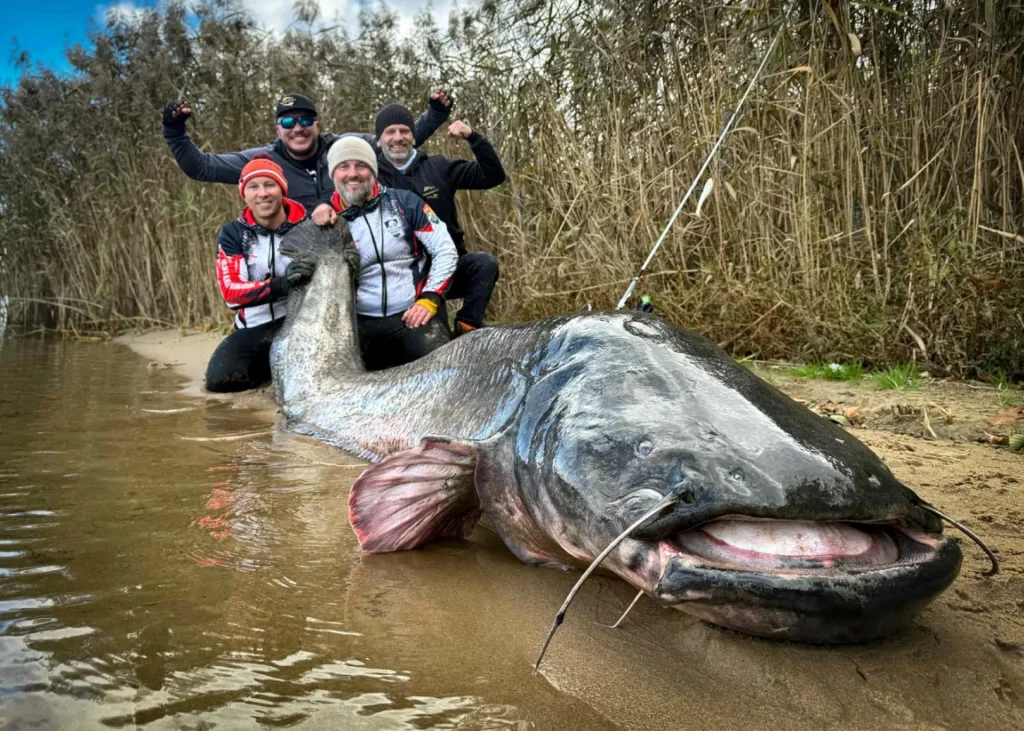
In October 2025, two Polish anglers achieved what’s being called one of the most extraordinary catches in European freshwater angling: a 9.58-foot (292 cm) Wels catfish caught on rod and reel at Rybnik Reservoir in southern Poland, representing what may be a new world-length record for the species.
The Catch
Anglers Krzysztof Pyra and Adrian Gontarz, representing the Polish Angling Academy, battled the monster fish during a tournament on the Rybnik Reservoir in the Silesia region. The fight lasted about 90 minutes (some reports say up to 2½ hours) before the monster was measured.
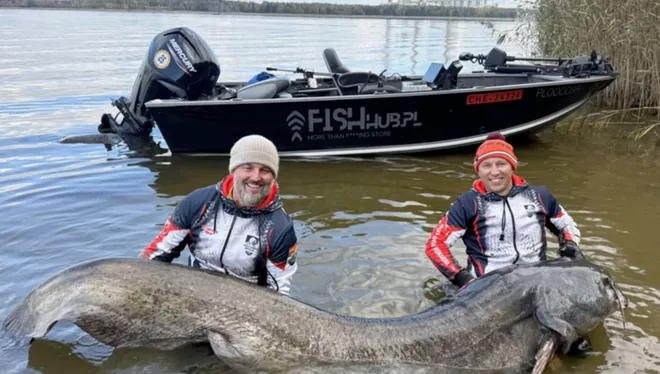
The fish was formally measured at 292 centimeters (9.58 ft) in length, surpassing the previous unofficial length benchmark of 285 cm, caught in Italy’s River Po in 2023. Polskie Radio online It was estimated to weigh around 130 kg (approximately 290 lb), though no official weighing took place as the fish was released.
This story first made headlines across Europe and quickly became one of the most talked-about moments in freshwater fishing. Check out more updates like this in our Fishing News section.
Significance & Technicalities
- If the measurement holds, this fish would become the longest Wels catfish ever caught on rod and reel, according to multiple sources.
- That said, it is currently pending formal recognition by the International Game Fish Association (IGFA) because of certain criteria: only one angler may hook, fight and land the fish under IGFA rules. Since two anglers were credited, the catch may not qualify under IGFA’s all-tackle rules.
- It also sets a new Polish national record (previously 261 cm) and furthers Rybnik’s status as a trophy catfish water.
That said, it is currently pending formal recognition by the International Game Fish Association (IGFA) because of certain criteria: only one angler may hook, fight, and land the fish under IGFA rules.
Where & Why It Happened
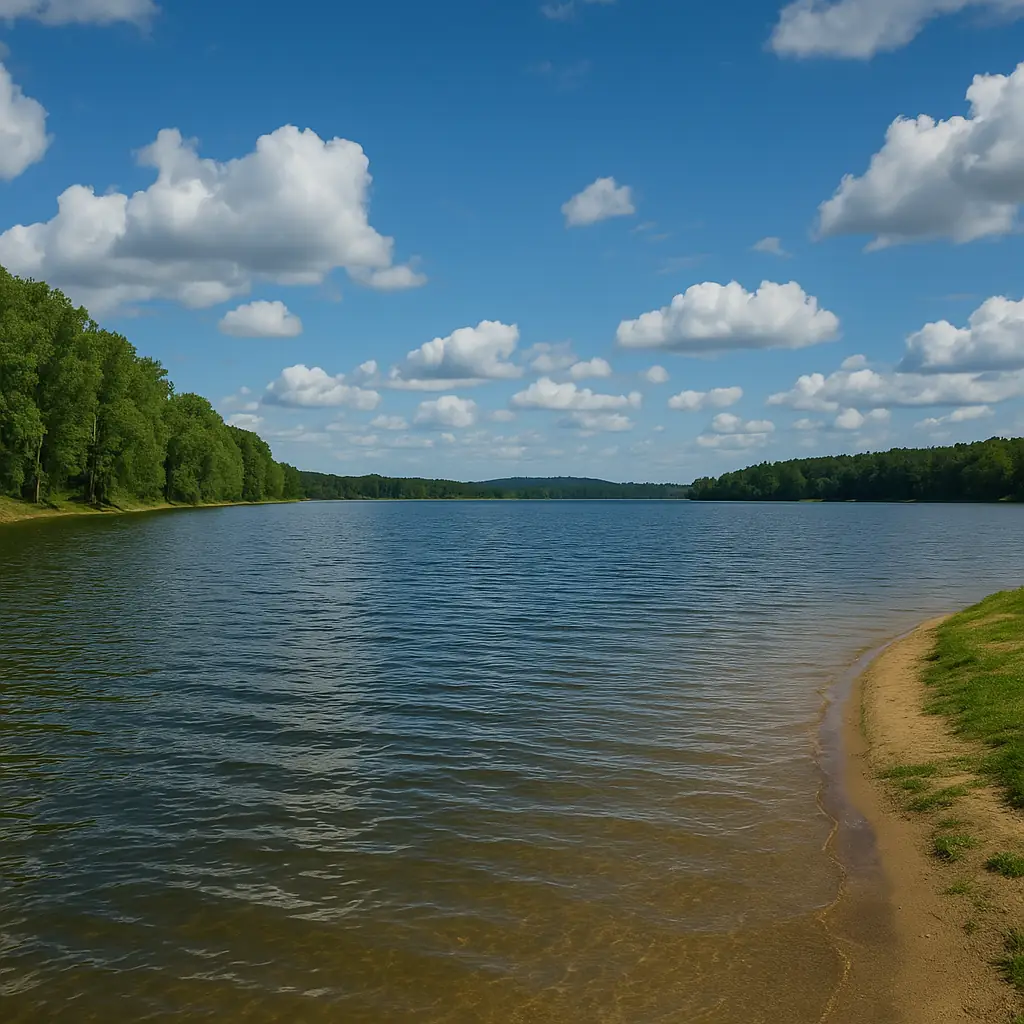
Rybnik Reservoir’s reputation for producing giant catfish is due in large part to unusual environmental factors: warm water discharge from a nearby power plant elevates water temperature and creates ideal growth conditions for the species.
The Fish: Wels Catfish Basics
The Wels catfish (Silurus glanis) is Europe’s largest freshwater fish species and an apex predator in many inland habitats. Some key traits:
- Can live several decades and reach lengths over 3 m under ideal conditions.
- Prefers warm, deep, slow-moving waters such as reservoirs or large rivers and uses barbels and an advanced lateral line to hunt in low visibility.
- Diet includes fish, amphibians, waterfowl — occasionally mammals. Hence its “monster” reputation.
What This Catch Means for Anglers & Conservation
For anglers, this catch is a reminder of how far freshwater trophy fishing has come in Europe. A ~10-foot Wels isn’t just rare; it requires precise conditions, advanced gear, and a great deal of luck. For conservation and fisheries management, it highlights how altered ecosystems (like heated waters) can produce exceptional growth — but also raises questions about ecological balance and long-term health of such fish populations.
What We Don’t Know
- Because the fish was released, its exact weight remains an estimate, not a certified IGFA-recognised weight.
- It’s not clear how much of the fight was conducted by one or both anglers exclusively, which may disqualify the catch from IGFA single-angler records.
- While the length is documented, formal certification procedures (for world record status) may still be underway.
Gear & Tactics: How You Might Pursue Giants like This
While few anglers will encounter a 9½-foot Wels, the same fundamentals apply when targeting large catfish:
- Use high-capacity reels and heavy-duty rods with backbone for long fights.
- Use strong line (braid or heavy monofilament) plus heavy leaders for abrasion protection.
- Present large baits (cut fish, live prey) near deep structure, night fishing often helps.
- Be prepared for long, sudden runs and lots of bending/stress on gear — patience is essential.
Want to see more jaw-dropping catches from anglers around the world? Visit our Slab Shots gallery to explore incredible photos submitted by the community.
Final Thoughts
This catch by Pyra and Gontarz at Rybnik is more than just a big fish — it’s a landmark moment in European freshwater fishing. Whether or not it becomes formally recognised as the world record, it’ll be talked about for years as the “monster Wels” of 2025. For now, it stands as a testament to what is possible when anglers marry skill, preparation and a little bit of serendipity in the right place.
For more incredible fishing stories and freshwater records, visit Reel Activities, your source for everything angling-related.
💡Takeaways
📌The World Record Catfish 2025 set a new benchmark in freshwater fishing.
Two Polish anglers, Krzysztof Pyra and Adrian Gontarz, landed a 9.58-foot Wels catfish at Rybnik Reservoir, making it the longest catfish ever caught on rod and reel.📌Rybnik Reservoir proved why it’s Europe’s premier trophy catfish destination.
Warm water from a nearby power plant creates perfect conditions for giant Wels catfish, cementing Poland’s reputation as a hotspot for record-breaking fish.📌This catch may rewrite the record books but with an asterisk.
Because two anglers fought the fish together, the International Game Fish Association (IGFA) may not officially certify it as a single-angler world record.📌The Wels catfish (Silurus glanis) remains Europe’s freshwater giant.
These apex predators can live for decades, exceed three meters in length, and feed on fish, amphibians, and even waterfowl, earning their “monster” reputation.📌The World Record Catfish 2025 highlights the balance between sport and sustainability.
While exciting for anglers, the catch shows how man-altered ecosystems like heated reservoirs can accelerate growth and affect ecological balance.📌Catching a catfish of this size takes precision, patience, and power.
Heavy rods, high-capacity reels, 100-lb braid, and natural bait presentations are essential for anglers hoping to land their own record-class Wels catfish.
Is there any Wels catfish in America?
Wels catfish (Silurus glanis) are native to Europe and parts of Asia, not North America. A few isolated introductions have occurred in private waters or research environments. The species thrives in warm, slow-moving European rivers and reservoirs such as Poland’s Rybnik Reservoir, where the World Record Catfish 2025 was caught. In the United States, anglers target native species like blue catfish and flathead catfish, which can also grow to impressive sizes.
What’s the biggest Wels catfish ever caught?
The largest Wels catfish ever recorded was caught in October 2025 by Polish anglers Krzysztof Pyra and Adrian Gontarz. Measuring 292 centimeters (9.58 feet), the fish was landed at Rybnik Reservoir in southern Poland and is now recognized as the World Record Catfish 2025 for length. While it may not qualify for IGFA certification because two anglers were involved, it surpassed the previous record from Italy’s River Po in 2023, which measured 285 centimeters (9.4 feet).
Can you eat Wels catfish?
Yes, Wels catfish are edible, though they are not considered the best-tasting fish, especially when they grow large. Smaller Wels under 20 pounds have mild, clean-tasting meat, while larger fish often develop a stronger, muddier flavor due to their diet and habitat. Many European anglers prefer to practice catch and release with trophy-sized Wels to protect breeding populations and maintain healthy ecosystems.
How big do Wels catfish get?
Under ideal conditions, Wels catfish can grow over 9 feet long (2.7 meters) and weigh more than 300 pounds (136 kilograms). These apex predators can live 50 to 60 years and feed on fish, amphibians, and even waterfowl. The warm, nutrient-rich water of Rybnik Reservoir allowed the 2025 record fish to reach its extraordinary size, showing how environmental conditions can influence growth.
What is the most aggressive catfish in the world?
The Wels catfish is often considered one of the most aggressive catfish species because of its size, power, and predatory nature. It uses its long whiskers and sensitive lateral line to detect prey, striking quickly even in low-visibility water. Despite its reputation, it rarely poses a danger to humans and remains one of the most fascinating freshwater giants on the planet.
Can you eat a 50lb catfish?
It is possible to eat a 50-pound catfish, but most anglers do not recommend it. Large catfish have coarse, fatty meat that can contain environmental contaminants accumulated over years of feeding on the riverbed. Smaller catfish, under 10 pounds, are much preferred for their firm texture and mild flavor. Bigger catfish are often released to preserve healthy populations and support sport fishing.

Jesse Earl – Author
Jesse Earl is a passionate freshwater angler and the founder of Reel Activities. When he’s not testing gear or writing how-to guides, you’ll find him exploring hidden lakes, chasing walleye, or casting from the shoreline with a cup of gas station coffee in hand.