3 Proven Power Tips for Trolling Kokanee Salmon with Crankbaits & Jerkbaits
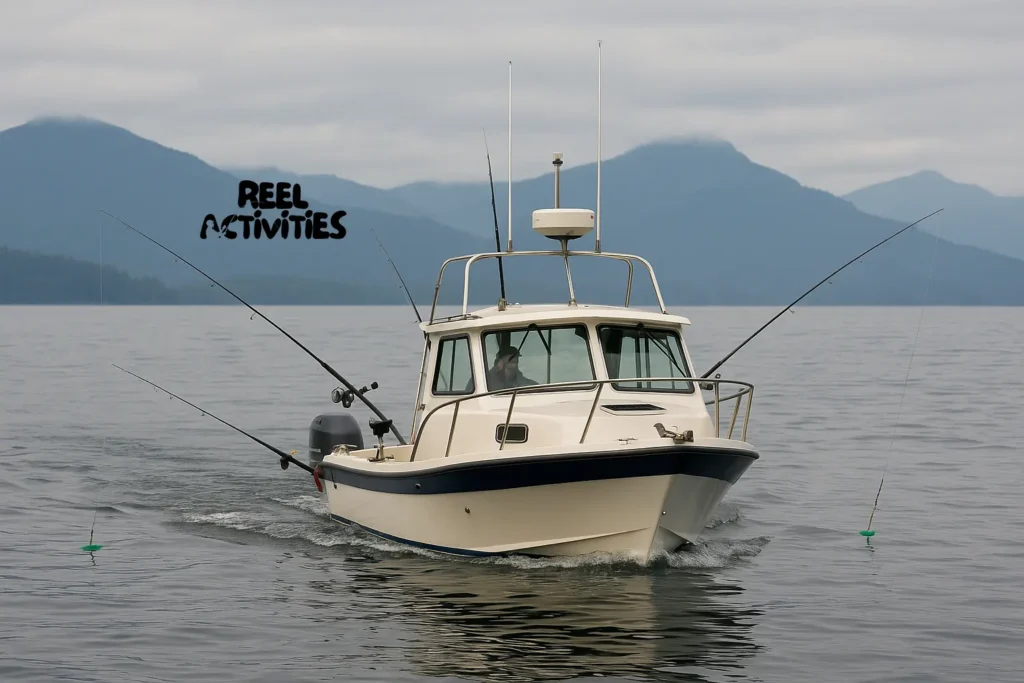
Kokanee salmon might be small, but they fight like giants. These landlocked sockeye are stocked across the West and are a favorite target for freshwater anglers in places like Colorado’s Kokanee fisheries. If you’re serious about landing more of these feisty fish, trolling Kokanee salmon with crankbaits and jerkbaits could be your secret weapon. While most folks stick to dodgers and hoochies, a well-picked crankbait can outshine them when the conditions are right.
In this guide, we’re breaking down 3 simple but powerful tips to help you catch more Kokanee while trolling with crankbaits and jerkbaits. We’ll also cover the gear you’ll need, how to rig your setup, and toss in some affiliate gear suggestions if you’re looking to upgrade. These kokanee trolling tips for crankbait trolling setups are based on real-world results, helping you avoid guesswork and get on fish faster.
Disclosure: This post contains affiliate links. If you purchase through them, we may earn a small commission at no extra cost to you.
Pick the Right Crankbaits and Jerkbaits for Kokanee
Let’s start with the basics: not every crankbait or jerkbait is Kokanee-friendly. These fish have small, soft mouths and excellent vision, so your lure needs to be the right size, color, and action.
Some of the Best Crankbaits for Kokanee:
- Yakima Bait Mag Lip 3.5 (Buy on Amazon)
- Luhr Jensen Kwikfish K5 or K7 (Buy on Amazon)
- Rebel Teeny Wee Crawfish (Buy on Amazon)
- Rapala Jointed Minnow J5 (Buy on Amazon)
When it comes to the best crankbaits for Kokanee, action and depth matter more than brand. Look for baits that have a tight wobble and can run well at slower trolling speeds (around 1.0 to 1.5 mph). Bright UV colors like pink, orange, chartreuse, and silver-blue are usually hot, especially in stained water. During midday sun or in ultra-clear lakes, metallic finishes like silver or gold can also produce.
One thing to keep in mind is that Kokanee can key in on color patterns that change daily. Don’t be afraid to switch colors and rotate through lures every 30 minutes if you’re not getting bites. The “hot” color can change with the weather, light, and even the mood of the fish.
Another important factor is lure depth without additional weight. Choose crankbaits that dive naturally to where Kokanee are holding. Some crankbaits dive 6–10 feet on their own, which is perfect for fish suspended in the upper column.
Great Jerkbaits to Try:
- Rapala Husky Jerk (Buy on Amazon)
- Yo-Zuri Pin’s Minnow (Buy on Amazon)
- Smithwick Rattlin’ Rogue (Buy on Amazon)
Jerkbaits shine when fish are higher up in the water column. They’re perfect for trolling just below the surface, especially early in the morning or during overcast days. A slow and steady retrieve with occasional pauses can imitate a wounded baitfish, which often triggers an aggressive Kokanee strike.
Dial In Your Kokanee Salmon Fishing Setup for Trolling with Crankbaits

Your gear setup makes a big difference when targeting Kokanee. You need something light enough to detect soft bites but strong enough to handle a fish that punches above its weight.
Rod & Reel Suggestions:
- Use a light or ultralight trolling rod, ideally around 6 to 8 feet, with a moderate action.
- Pair it with a line counter reel so you can track exactly how much line is out.
- Line: Stick with 6–10 lb mono or fluorocarbon. Kokanee don’t like braid, and neither will your hookup ratio.
Great Rod Options:
- Okuma SST Kokanee Rod (Buy on Amazon)
- Ugly Stik Elite Light Rod (Buy on Amzon)
Reliable Reels:
- Okuma Cold Water Line Counter (Buy on Amazon)
- Daiwa Regal LT Deep Spool (Buy on Amazon)
Trolling Setup Tips:
- No dodgers or flashers needed here—crankbaits already have their own action.
- Use a snap swivel to keep your line from twisting.
- If you don’t have a downrigger, add a split shot or use a lead clip to get your bait to the right depth.
Having a sonar or fish finder can be a game-changer. It not only helps you locate Kokanee schools but also lets you see their depth. This info is vital for setting the right amount of line or choosing the correct weight.
Many anglers also overlook the importance of boat control. Keeping your boat steady at a consistent speed, especially when trolling in wind or current, makes a difference. A trolling motor with speed control helps with precision.
If you’re fishing from a kayak, your options are still strong. Use a drift sock or a simple drag chain to manage your speed. Crankbaits allow kayak anglers to keep their gear simple—no flasher rigs, fewer snags, and more action.
Another useful tip is to monitor water temperature. Kokanee are very sensitive to temperature and will often suspend in water between 48°F and 54°F. Using a temperature probe or watching your sonar for thermoclines can guide your depth targeting more effectively.
Why Trolling Kokanee Salmon with Crankbaits Works So Well
Trolling Kokanee salmon with crankbaits is one of the most underrated but effective methods for landing limits fast. Unlike traditional dodger setups, crankbaits add built-in action and allow you to search for fish efficiently without complex rigs. Whether you’re in a kayak or a powerboat, this approach simplifies your kokanee salmon fishing setup while increasing strike potential.
Get the Speed and Presentation Just Right
Speed matters. Go too fast, and your lure might spin out. Too slow, and it might not move at all. Kokanee are picky, so here’s how to nail your trolling speed and depth.

Sweet Spot for Speeds:
- Crankbaits: 1.0 to 1.5 mph
- Jerkbaits: 1.3 to 1.8 mph, with the occasional twitch for realism
Start your day at the slower end of the spectrum, especially if the water is cold or the fish are lethargic. Increase speed slightly until you dial in what gets bites.
Target Depth:
- Kokanee are often hanging between 15 and 60 feet
- Use a line counter or lead core line to dial it in
- A downrigger helps, but isn’t a must if your lure dives well on its own
Pro Tips:
A big part of how to troll for Kokanee salmon comes down to lure angle and speed variations. Mix up your trolling path. Zig-zag or make wide turns. This naturally changes the speed and angle of your lure, which can trigger more strikes.
Another effective tactic is trolling near drop-offs or submerged structures, where Kokanee often stage. Pair this with a map or sonar chart, and you’ll be ahead of the game. If trolling over flats, run your baits deeper. Over structure? Run them just above fish marks to avoid snags.
You can also troll crankbaits at different distances behind the boat to create a staggered spread. This gives you more coverage and helps find where Kokanee are sitting. Try running one rod at 30 feet, another at 50, and one deep around 70. You’ll cover more of the water column and quickly figure out what depth they’re biting.
Also, consider changing out treble hooks for single siwash hooks. This makes it easier to release fish unharmed and can improve your landing ratio since Kokanee often thrash and throw hooks.
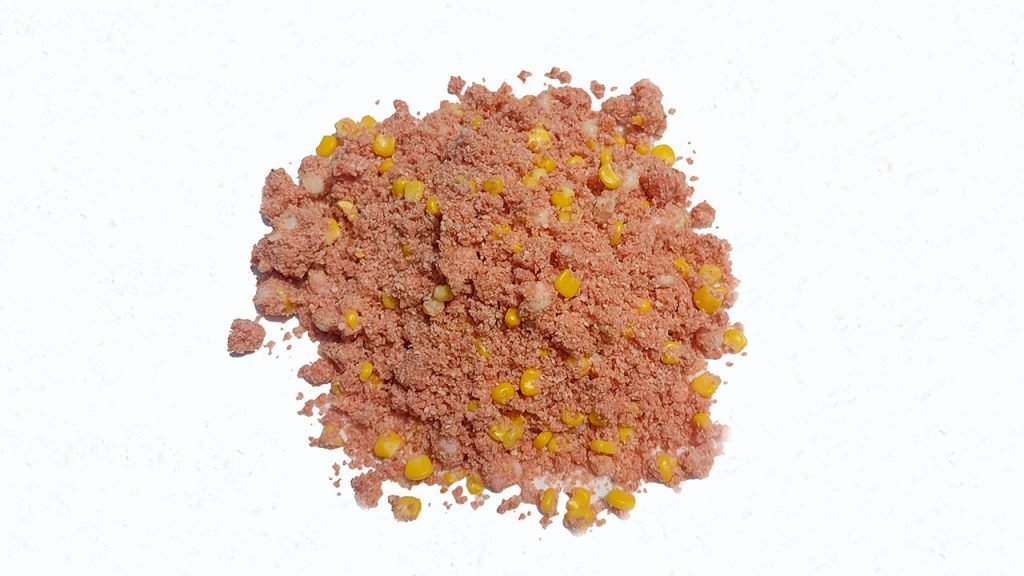
If you want to boost your chances even more, add a little scent like Pro-Cure Kokanee Gel ([Amazon Link]) or thread a piece of shoepeg corn on the hook. Many anglers swear by garlic-scented corn as a finishing touch.
Bonus: When to Use Crankbaits Instead of Dodgers
While dodgers and hoochies are a go-to for a reason, crankbaits and jerkbaits have their time and place. Use them when:
- Kokanee are fired up and chasing
- Fish are holding higher in the water column
- The water is warm and fish are active
- You’re not using downriggers and want a simple setup
Sometimes the aggressive wobble of a crankbait is exactly what gets their attention.
Crankbaits are also ideal for covering more water quickly. If you’re pre-fishing a tournament or exploring a new lake, crankbaits let you locate schools and find productive areas faster. Once you locate fish, you can slow down and fine-tune your approach.
They’re also less prone to tangles and hassle, which makes them great for beginners or kids. If you’re introducing someone new to trolling for Kokanee, crankbaits let them focus on the fun part—catching fish.
Final Thoughts
If you’ve never tried trolling Kokanee salmon with crankbaits, now is the time. Whether you’re exploring a new lake or replacing flashers with a more streamlined setup, this method works year-round. Combine it with our kokanee trolling tips and gear suggestions, and you’ll be hooked—literally and figuratively.
Trolling Kokanee salmon with crankbaits and jerkbaits might not be the most common method, but it’s a fun and effective way to fish. It keeps things simple, lets you cover more water, and often triggers bites when nothing else works. Whether you’re a beginner or a seasoned angler, trolling Kokanee salmon with crankbaits is a smart way to locate and trigger reaction bites.
Once you get your speed, lure, and setup dialed in, the results can be explosive. If you’re tired of stacking flashers and fussing with hoochies, give this method a try. It just might change how you fish for Kokanee altogether.
Experiment often. Conditions change daily, and Kokanee don’t always play by the rules. But with the right crankbait, solid boat control, and a willingness to adapt, you’ll be stacking fillets in no time.
For more gear ideas and setup tips, check out our Boat & Kayak Fishing page or browse our favorite Kokanee tackle setups. Tight lines!
💡Takeaways
📌Choose Crankbaits with a Tight Wobble
Kokanee respond best to crankbaits that maintain action at slow speeds. Look for tight-wobble models like the Mag Lip 3.5 or Kwikfish K5, especially in UV-bright colors that perform well in stained water.📌Rotate Lure Colors Every 30 Minutes
Kokanee are picky and color-sensitive. If you’re not getting bites, switch out your crankbait every 20–30 minutes. Hot colors change based on light, water clarity, and weather.📌Match Lure Depth to Fish Location
Choose crankbaits that dive naturally to the Kokanee’s holding depth—often 10 to 25 feet early in the season. This keeps your setup clean and reduces the need for added weights or downriggers.📌Use Jerkbaits in the Upper Water Column
Jerkbaits like the Rapala Husky Jerk are deadly when Kokanee are near the surface. Their erratic, twitchy action mimics wounded baitfish and triggers aggressive strikes, especially on cloudy mornings.📌Go Light with Rods and Reels
Use a 6–8 foot ultralight trolling rod with moderate action, paired with a line counter reel. This setup helps detect soft Kokanee bites while allowing you to control lure depth precisely.📌Stick to Mono or Fluoro and Avoid Braided Line
Kokanee have soft mouths and excellent vision. Braided line can reduce bites and increase tear-offs. Instead, use 6–10 lb monofilament or fluorocarbon for the best presentation and hook-up ratio.📌Skip Flashers When Trolling Crankbaits
Crankbaits already have built-in action, so you don’t need dodgers or flashers. This reduces drag and makes your setup simpler—especially helpful when trolling from a kayak.
How fast should you troll for Kokanee salmon?
The best trolling speed for Kokanee salmon is typically between 0.8 to 1.5 MPH. Slower speeds allow your lures or dodgers to produce the subtle, erratic action Kokanee love. Water temperature, lure type, and fish activity all play a role, but staying under 1.5 MPH is usually the sweet spot for consistent hookups.
How to troll for Kokanee salmon?
Trolling for Kokanee salmon involves using light gear, small dodgers or flashers, and colorful lures like hoochies or spinners tipped with corn. Run your setup behind a downrigger or lead-core line to reach the correct depth. Maintain a steady trolling speed, zigzag your path to cover more water, and adjust depth based on water temperature and fish marks on your fish finder.
How do you troll for Kokanee without a downrigger?
If you don’t have a downrigger, you can still troll for Kokanee using lead-core line, inline weights, or divers like a Jet Diver or Banana Weight. Lead-core line is the most popular alternative because it allows you to control depth by counting colors—each color is roughly 5–10 feet deep depending on speed. Pair it with a dodger and lure setup and troll slowly for best results.
What time of year is best for Kokanee fishing?
The best time to catch Kokanee salmon is usually from late spring through early summer, with May through July being peak months in most lakes. During this time, Kokanee are actively feeding before their late-summer spawn. Early mornings and overcast days also improve success, as Kokanee prefer low-light conditions.
Do you have to troll for Kokanee?
Trolling is the most effective method for catching Kokanee salmon, but it’s not the only option. Jigging works well when schools are tightly grouped, especially in deeper water during summer. Still, trolling allows you to cover more water and adjust to depth changes quickly, making it the go-to method for most anglers.
What state has the best Kokanee fishing?
Oregon, Washington, and Idaho are known for having the best Kokanee fishing in the United States. Lakes like Wallowa Lake (OR), Dworshak Reservoir (ID), and Lake Chelan (WA) are famous for producing trophy-sized Kokanee. California and Colorado also offer great Kokanee opportunities, especially in high-altitude reservoirs.
Are Kokanee salmon good to eat?
Yes, Kokanee salmon are delicious to eat. Their diet of plankton and cold, clean water gives them a mild, slightly sweet flavor with rich, red flesh similar to sockeye salmon. They’re excellent when grilled, smoked, or baked, and many anglers consider them one of the best-tasting freshwater fish.
How deep to fish for Kokanee?
Kokanee salmon change depth based on water temperature and season. In spring, you may find them as shallow as 10–25 feet, but by summer, they often hold between 30–70 feet deep. A fish finder is incredibly helpful to locate the right depth zone. Target the thermocline, which is typically where Kokanee gather during warmer months.

Jesse Earl – Author
Jesse Earl is a passionate freshwater angler and the founder of Reel Activities. When he’s not testing gear or writing how-to guides, you’ll find him exploring hidden lakes, chasing walleye, or casting from the shoreline with a cup of gas station coffee in hand.