How to Catch Crappie: 7 Proven Techniques for Year-Round Success
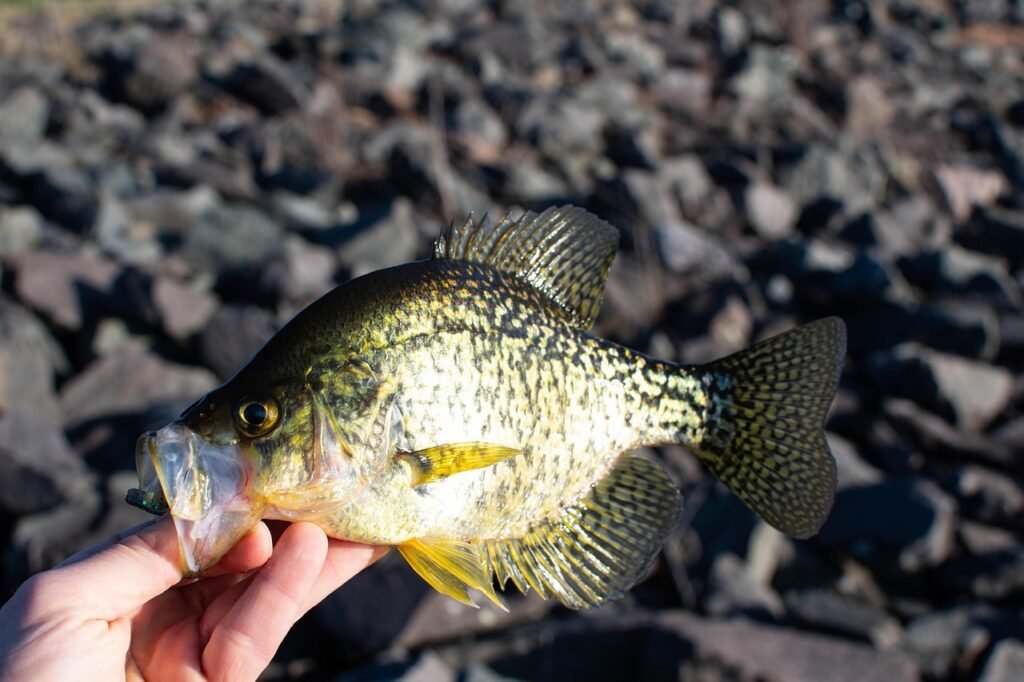
Crappie are one of the most popular freshwater fish to catch, known for their delicious taste and willingness to bite. Whether you’re targeting black crappie or white crappie, knowing how to catch crappie year-round will help you land more fish. In this guide, I’ll cover the best methods and tips on how to catch crappie no matter the season.
Understanding Crappie Behavior
Learning how to catch crappie starts with understanding their behavior. Crappie are schooling fish, often found in large numbers around structures like submerged trees, brush piles, and docks. They are particularly active during the spring spawning season, but you can catch crappie year-round with the right approach. Knowing how to catch crappie effectively means being able to adapt your techniques based on the time of year.
Best Gear for Crappie Fishing
To master how to catch crappie, you need the right gear. Light to ultralight spinning gear is ideal for crappie, especially when using a rod around 6-7 feet with a fast action tip. Choose a fishing line with a 4-8 lb test, preferably monofilament or fluorocarbon, for better sensitivity and less visibility. Knowing how to catch crappie with the proper hooks is also essential, make sure you use size 4 to 8 hooks to match your bait choice.
- Rod and Reel:
- Light to ultralight spinning gear is ideal for crappie. Look for a rod around 6-7 feet with a fast action tip.
- Line:
- 4-8 lb test monofilament or fluorocarbon. Light lines are less visible and provide better sensitivity.
- Hooks:
- Size 4 to 8, depending on bait. Use a thin wire hook to avoid tearing the crappie’s delicate mouth.
- Jigs:
- 1/16 to 1/8 oz jig heads with soft plastic grubs or tubes in bright colors like chartreuse, pink, and white.
- Live Bait:
- Minnows are the go-to for crappie and can be used on a simple hook or jig.
Best Baits for Crappie
When figuring out how to catch crappie, bait selection is crucial. Crappie can be picky, so having a variety of baits helps. The most effective baits for catching crappie are minnows, soft plastic grubs, tube jigs, crappie nibbles, marabou jigs, beetle spins, and small crankbaits.
1. Minnows

- Why They Work: Minnows are the most popular and effective live bait for crappie because they naturally mimic the small fish crappie feed on.
- How to Use:
- Hook the minnow through the lips or just behind the dorsal fin for natural movement.
- Use a small float to suspend the minnow at the depth where crappie are holding.
- Best Situations:
- Use minnows in cooler months (fall and spring) when crappie are actively feeding near structure.
- Pro Tip: Try pairing a live minnow with a small jig for extra attraction.
2. Soft Plastic Grubs
- Why They Work: Grubs are versatile and can be presented in a variety of ways. Their soft, wiggling motion mimics insects and small aquatic creatures.
- How to Use:
- Rig the grub on a light jig head (1/16 to 1/8 oz).
- Cast and slowly retrieve, pausing occasionally to let the grub sink.
- Best Situations:
- Effective in murky water due to their vibrant colors (chartreuse, pink, white).
- Pro Tip: Experiment with color combinations to find what works best in different light conditions.
3. Tube Jigs
- Why They Work: The hollow body of tube jigs gives them a lifelike fluttering motion that crappie can’t resist.
- How to Use:
- Slide the jig head inside the tube and cast near submerged structures.
- Use a slow, vertical jigging motion to imitate an injured baitfish.
- Best Situations:
- Great for vertical jigging in deeper water, especially during the colder months.
- Pro Tip: Add a crappie nibble to the hook for a scent boost.
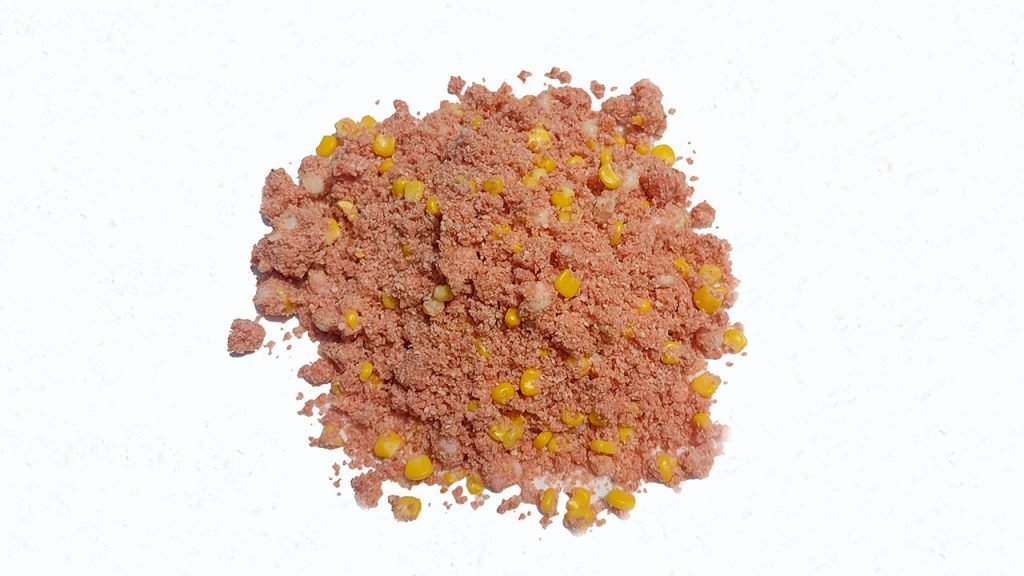
4. Crappie Nibbles
- Why They Work: These scented dough baits are formulated to attract crappie by mimicking their natural food sources.
- How to Use:
- Thread a crappie nibble onto the hook of your jig or plain hook.
- Use with live bait or soft plastics to add scent.
- Best Situations:
- Particularly effective in stained or muddy water where visibility is low.
- Pro Tip: Keep the nibbles in a sealed container to maintain freshness.
5. Marabou Jigs
- Why They Work: The feather-like tail moves naturally in the water, making it irresistible to crappie.
- How to Use:
- Cast and let the jig sink, then use a slow, steady retrieve.
- Jig vertically near docks and brush piles.
- Best Situations:
- Best used in spring when crappie are spawning in shallow water.
- Pro Tip: Use darker colors in low light and brighter colors in clear water
6. Beetle Spins

Buy on Amazon
(As an Amazon Associate, I earn from qualifying purchases. This helps support our site at no extra cost to you.)
- Why They Work: The combination of a spinning blade and soft plastic body creates both flash and vibration, attracting crappie from a distance.
- How to Use:
- Cast out and retrieve at a steady pace.
- Adjust the retrieve speed based on water temperature—slower in cold water, faster in warm.
- Best Situations:
- Ideal for covering large areas when crappie are scattered.
- Pro Tip: Use chartreuse or yellow colors when water visibility is low.
7. Small Crankbaits
- Why They Work: These baits resemble small baitfish and create vibration that triggers crappie strikes.
- How to Use:
- Cast and retrieve with a stop-and-go motion.
- Use in open water or along drop-offs.
- Best Situations:
- Ideal in summer when crappie are more active and willing to chase.
- Pro Tip: Use a slow wobble action to mimic a dying baitfish.
Experimenting with different baits and presentations will help you determine what works best on any given day. The key is to stay versatile and be willing to switch baits when crappie aren’t biting. Keep a mix of live bait and artificial lures in your tackle box to stay prepared for changing conditions.
Choosing the Right Bait Based on Season
- Spring: Minnows, tube jigs, and marabou jigs
- Summer: Beetle spins and small crankbaits
- Fall: Soft plastic grubs and minnows
- Winter: Crappie nibbles and tube jigs
Top Techniques for Catching Crappie
1. Jigging
- Best for: Spring and Fall
- How to do it: Drop a small jig near structures and slowly lift and drop the rod tip. Keep the jig just off the bottom or near cover.
- Tip: Use bright colors in murky water and natural colors in clear water.
2. Spider Rigging
- Best for: Slow trolling in deeper water
- How to do it: Set up multiple rods off the front of your boat with jigs or minnows at varying depths. Slowly troll to cover more area.
- Tip: Use different color jigs on each line to find the preferred color.
3. Dock Shooting
- Best for: Summer, when crappie hide under docks
- How to do it: Bend the rod back, load the jig like a slingshot, and shoot it under the dock. Let it fall naturally before slowly retrieving.
- Tip: Target docks with brush piles or submerged lights at night.
4. Float Fishing
- Best for: Shallow water in spring
- How to do it: Attach a small float about 2 feet above your jig or minnow. Cast near structure and let the bait drift naturally.
- Tip: Adjust the depth based on where crappie are holding.
Best Times and Seasons to Catch Crappie
To master how to catch crappie, it’s important to fish during low light conditions, early morning, late evening, and nighttime are ideal. During the spring spawn, crappie are more active throughout the day in shallow waters. In summer, deeper water and submerged structures are key. Fall sees crappie moving toward brush piles, while winter requires fishing in deeper basins with slower presentations.
- Spring (Pre-Spawn and Spawn):
- Crappie move to shallow waters (2-6 feet) near structure. Jigs and minnows work best.
- Summer:
- Fish move deeper (10-20 feet). Use spider rigging or vertical jigging around submerged timber.
- Fall:
- Crappie become more aggressive. Jigging around brush piles and docks works well.
- Winter:
- Look for crappie in deep basins. Use small jigs tipped with minnows and fish slowly.
Tips for Finding Crappie
Finding crappie is half the battle when learning how to catch crappie. Use a fish finder to locate schools suspended in the water column. Crappie often follow baitfish, so locating shad schools can also help. Always target structures like submerged trees, docks, and brush piles, as these areas consistently hold crappie.
- Use a Fish Finder:
- Crappie often suspend in the water column. A fish finder helps locate schools at different depths.
- Follow the Food:
- Crappie feed on small baitfish, so finding shad schools often means crappie are nearby.
- Structure is Key:
- Submerged trees, brush piles, and docks are prime crappie spots. If fishing from shore, look for drop-offs near cover.
Catching crappie requires a mix of finesse and patience, but with the right gear and techniques, you can catch them year-round. Experiment with different colors and depths to find what works best for the conditions. Whether you’re fishing from a boat or the bank, these tips will help you fill your cooler with delicious crappie in no time! Before heading out, make sure you brush up on essential fish care practices to ensure every catch is handled responsibly.
💡Takeaways
📌How to Catch Crappie Around Structure
Locate schools on submerged trees, brush piles, and docks—mastering how to catch crappie starts with finding cover.📌Best Bait for Crappie (Live Minnows)
Lip- or back-hook a small minnow under a slip float; it’s the best bait for crappie year-round.📌Crappie Rigs That Just Work
Slip bobber, tight-line jig, and Carolina minnow rigs cover shallow, mid, and deep presentations—three core crappie rigs.📌Crappie Techniques: Vertical Jigging
Count down to the school, lift-pause-drop; tiny twitches out-fish big movements—precision crappie techniques.📌Spider Rigging for Suspended Fish
Slow-troll multiple rods at staggered depths to pattern roaming slabs fast.📌Dock Shooting in Summer
“Skip” 1/32–1/16 oz jigs deep under docks; watch for slack-line ticks on the fall.📌Ultralight Gear = More Bites
6–7 ft light/ultralight, 4–8 lb mono/fluoro for natural action and better bite detection.
FAQ
What is the best method for crappie fishing?
The best method for crappie fishing often depends on the season and location. In the spring, jigging near shallow structures where crappie spawn is highly effective. During the summer, spider rigging works well when crappie move into deeper water. In the fall, casting small jigs or minnows around submerged brush piles can produce good results. In the winter, vertical jigging with small baits near deep cover is your best bet. Staying versatile and matching your method to the current conditions will maximize your chances of success.
What is the best bait for crappie fishing?
Minnows are widely considered the best bait for crappie fishing, as they closely resemble the small fish that crappie naturally feed on. Soft plastic grubs and tube jigs also work well, especially when crappie are less aggressive. Marabou jigs are effective during the spawn, while crappie nibbles add scent to any presentation, increasing your chances in murky water. Beetle spins and small crankbaits can be effective when crappie are actively feeding.
What is the best rig for crappie fishing?
The best rig for crappie fishing is typically the slip bobber rig, which allows you to adjust your bait depth easily and keep your presentation near the bottom. A Carolina rig is also effective when fishing deeper waters or when crappie are holding near the bottom. For vertical fishing, a simple jig head with a soft plastic or live minnow works well. Additionally, spider rigging setups with multiple rods are effective for covering larger areas when trolling.
What is the best time of day to fish for crappie?
Crappie are most active during low light conditions, so early morning and late evening are usually the best times to fish. During the spring spawn, crappie can be active throughout the day, especially in shallower waters. Night fishing can also be productive, especially around docks with lights, as crappie are drawn to the baitfish congregating in illuminated areas.
Why is it so hard to catch crappie?
Catching crappie can be challenging because they are highly sensitive to changes in temperature, water clarity, and pressure. Crappie also tend to move throughout the water column, making them harder to locate. They are schooling fish, so finding one often means finding many, but pinpointing their depth and preferred bait can take time. Using fish finders to locate schools and experimenting with different baits and colors can improve your success rate.
What color is crappie biting on?
The best color for crappie can vary based on water clarity and light conditions. In clear water, natural colors like white, silver, and light green are effective. In murky or stained water, bright colors such as chartreuse, pink, and fluorescent orange tend to work best. Dark colors like black and blue can also be effective at night or in very muddy water. Pay attention to local reports and switch colors if you’re not getting bites.

Jesse Earl – Author
Jesse Earl is a passionate freshwater angler and the founder of Reel Activities. When he’s not testing gear or writing how-to guides, you’ll find him exploring hidden lakes, chasing walleye, or casting from the shoreline with a cup of gas station coffee in hand.