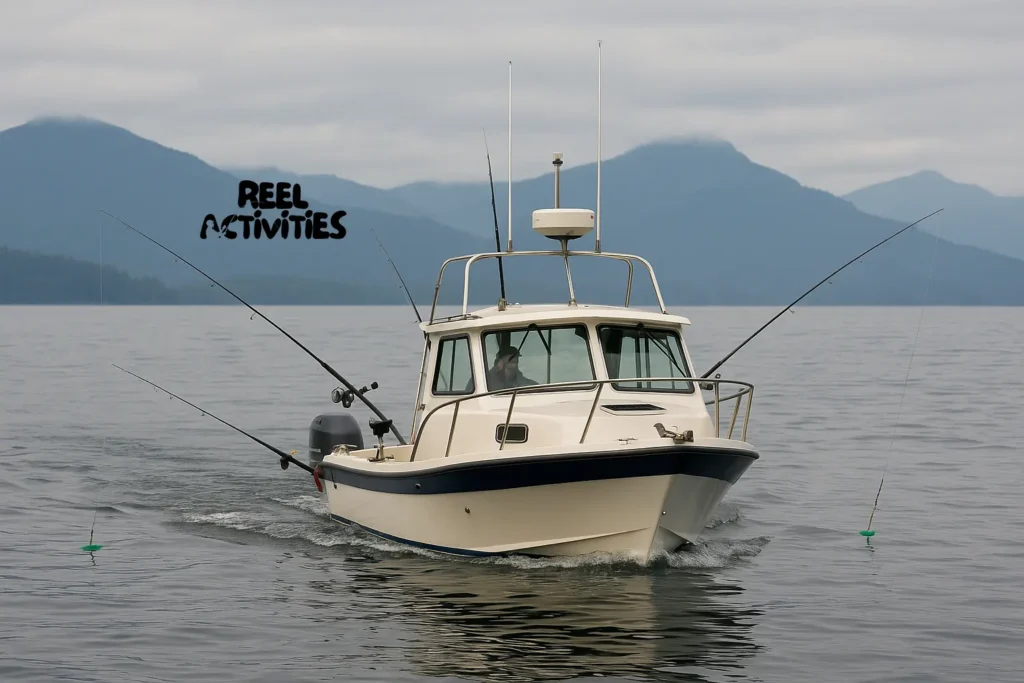
Boat Safety Gear: 10 Must-Have Safety Essentials for Every Boat
Stay Safe on the Water with the Right Boating Gear

When you’re out on the water, having the right boat safety gear can make the difference between a fun adventure and a serious emergency. Whether you’re fishing, cruising, or just enjoying the day, this guide breaks down the must-have safety essentials for boats and explains what safety gear is required on a boat according to U.S. Coast Guard recommendations.
When you’re out on the water, having the right boat safety gear can make the difference between a fun adventure and a dangerous situation. Whether you’re fishing, cruising, or just enjoying the day, this guide breaks down the must-have safety essentials for boats and explains what safety gear is required by U.S. regulations.
If you’re planning a freshwater trip, make sure to check out our complete freshwater fishing guides for tips on the best spots, gear recommendations, and techniques.
1. Life Jackets (Personal Flotation Devices – PFDs)

Buy on Amazon
(As an Amazon Associate, I earn from qualifying purchases.)
Every boating safety essentials checklist starts with boat safety gear like life jackets. These are critical for keeping you afloat in emergencies, especially for families and beginners.
What You Need to Know:
- Every passenger must have a properly fitted, Coast Guard-approved PFD.
- Children often must wear life jackets at all times—laws vary by state.
- Keep at least one extra PFD onboard for unexpected guests.
Pro Tip:
Look for Type III or Type V PFDs designed for recreational boating. Inflatable life jackets are also great for comfort, but make sure they’re inspected regularly.
2. Throwable Flotation Device

Buy on Amazon
(As an Amazon Associate, I earn from qualifying purchases.)
Your boating safety gear checklist should always include a throwable device, especially for families. It’s one of the most essential boating safety equipment items required by law.
Why It Matters:
If someone falls overboard, a throwable flotation device provides immediate help while you maneuver the boat for rescue.
Recommended Gear:
- U.S. Coast Guard-approved cushions
- Horseshoe-style ring buoys
- Floating rescue ropes
Storage Tip:
Keep it within arm’s reach—not buried under other gear.
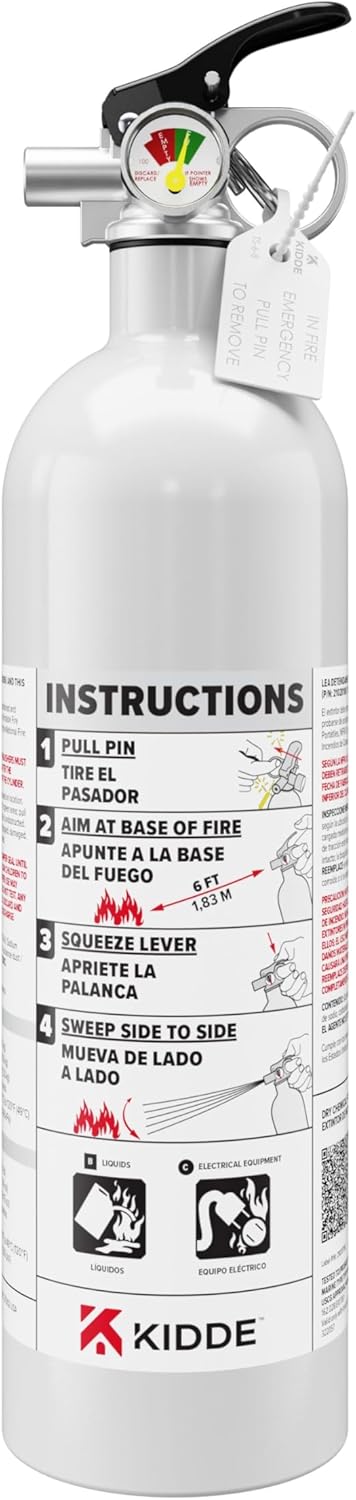
3. Fire Extinguisher
Buy on Amazon
(As an Amazon Associate, I earn from qualifying purchases.)
When choosing the best boat safety gear for beginners, a Coast Guard-approved fire extinguisher should be near the top of your list. Fires can happen, and being prepared is non-negotiable.
What to Look For:
- Choose an ABC-rated marine fire extinguisher approved for gasoline, oil, and electrical fires.
- Boats under 26 feet typically need one extinguisher, while larger boats may require multiple.
Maintenance Tip:
- Check your extinguisher monthly.
- Replace or recharge if the gauge shows low pressure.
- Mount it in an easily accessible spot.
4. First Aid Kit

Buy on Amazon
(As an Amazon Associate, I earn from qualifying purchases.)
A boating safety checklist for families isn’t complete without a stocked marine first aid kit. Kids, pets, and adults are all prone to cuts, burns, and seasickness when on the water.
What to Include:
- Waterproof bandages
- Antiseptic wipes
- Seasickness tablets
- Tweezers & scissors
- Burn gel
- Cold packs
Pro Tip: Choose a waterproof kit specifically designed for marine environments. Saltwater and humidity can quickly ruin standard supplies.
5. Visual Distress Signals

Buy on Amazon
(As an Amazon Associate, I earn from qualifying purchases.)
If you plan to navigate offshore or in larger lakes, part of your essential boating safety equipment should include visual distress signals like flares and SOS strobes.
Types of Distress Signals:
- Daytime Signals: Orange smoke flares, signal flags, mirrors
- Nighttime Signals: Red handheld flares, strobe lights, LED SOS beacons
Regulations:
The U.S. Coast Guard typically requires at least three visual distress signals for boats over certain sizes when operating in coastal waters.
6. Sound-Producing Devices

Buy on Amazon
(As an Amazon Associate, I earn from qualifying purchases.)
Whistles, horns, and bells are simple boat safety gear additions that make a huge difference in low-visibility conditions, especially for navigational aids for small boats.
Options:
- Handheld Whistles – Small, lightweight, always useful
- Air Horns – Best for open water
- Fixed Boat Horns – Ideal for larger vessels
Quick Tip:
Make sure your sound device can be heard at least half a mile away, especially in low-visibility conditions.
7. VHF Marine Radio

Buy on Amazon
(As an Amazon Associate, I earn from qualifying purchases.)
For new boat owners, one of the best investments is a VHF marine radio. These are critical for boating safety tips for new boat owners, helping you communicate with the Coast Guard and other vessels when cell service fails. For new boat owners looking to improve their knowledge, the BoatUS Free Online Boating Safety Course is an excellent resource to learn about boating regulations, navigation rules, and essential safety practices.
Why You Need One:
- Call for help from the Coast Guard
- Receive weather updates and alerts
- Communicate with nearby vessels
Bonus Tip:
Learn how to use Channel 16, the international distress and hailing frequency. Keep your radio fully charged and test it regularly.
8. Navigation Lights

Buy on Amazon
(As an Amazon Associate, I earn from qualifying purchases.)
When boating at night, functioning navigational aids for small boats—like navigation lights—are essential. They prevent accidents and ensure other boaters can see you.
Navigation Light Basics:
- Red light on the port (left) side
- Green light on the starboard (right) side
- White stern light for visibility behind
Check your lights before every trip, and keep spare bulbs onboard.
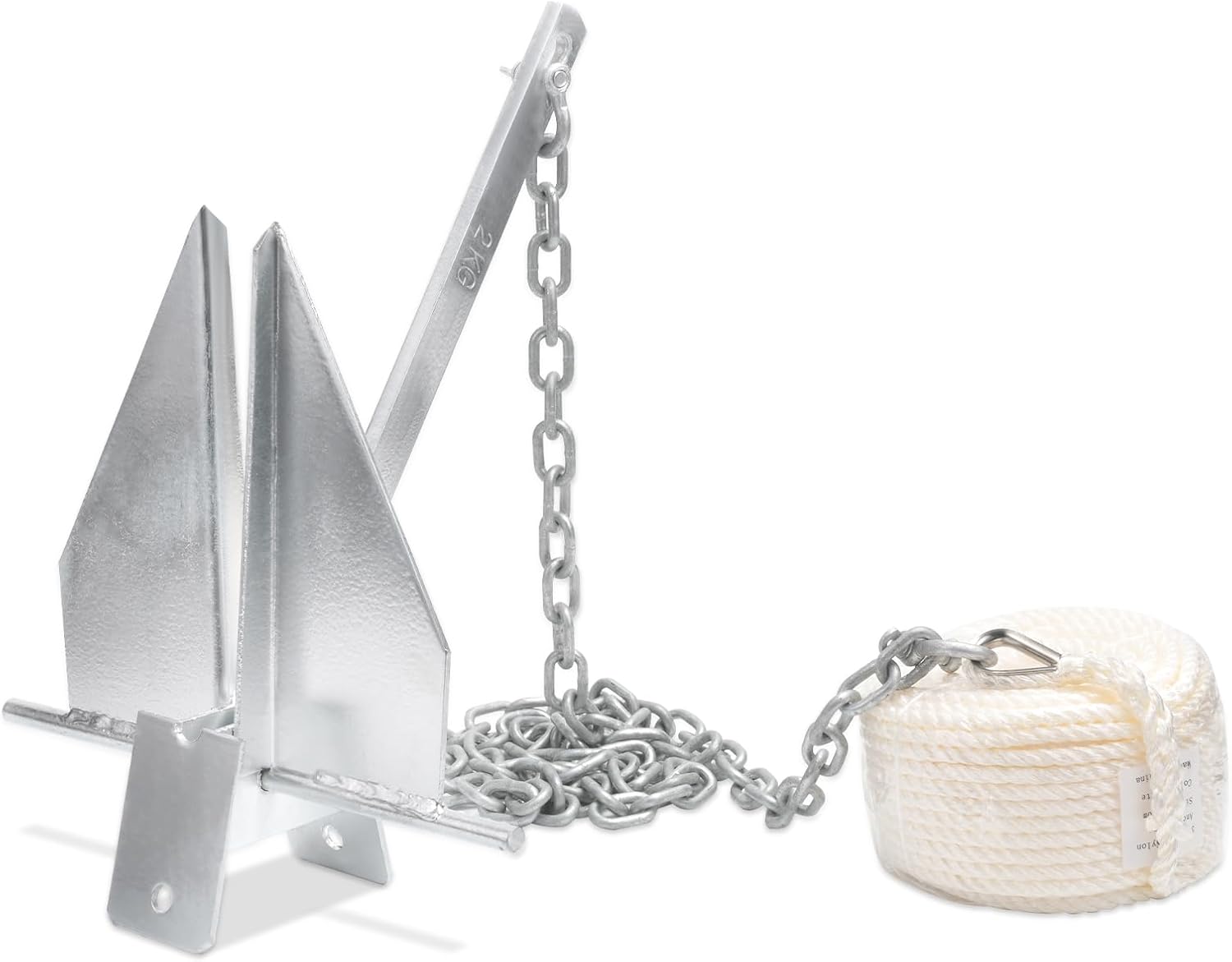
9. Anchor and Line
Buy on Amazon
(As an Amazon Associate, I earn from qualifying purchases.)
An anchor might not seem like boat safety gear, but it’s critical when the weather turns bad or your engine fails. It stabilizes your position and keeps you safe.
Why It Matters:
- Stabilizes the boat in engine failure
- Keeps you safe during storms or strong currents
- Allows fishing in one spot without drifting
Choosing the Right Anchor:
- Fluke anchors are best for sandy bottoms.
- Plow anchors work better on mixed or rocky terrain.
- Always carry enough anchor line—generally 7–10 feet per foot of water depth.
10. Emergency Repair Tools & Spare Parts

Buy on Amazon
(As an Amazon Associate, I earn from qualifying purchases.)
Having tools, fuses, and extra spark plugs onboard should be part of every boating safety essentials checklist. This small kit can keep your boat operational when problems arise.
Essential Items:
- Screwdrivers & pliers
- Adjustable wrench
- Electrical tape
- Extra spark plugs & fuses
- Duct tape for temporary fixes
Pro Tip:
Store your repair kit in a waterproof, floating container so it’s always ready when you need it.
Bonus Essentials to Consider
For extra safety and convenience, you might also include:
- Portable bilge pump
- Weather radio
- Solar or battery-powered backup chargers
- Marine-grade flashlight or headlamp
- Float plan shared with someone on shore
These aren’t always required by law, but they’re highly recommended for longer trips or open-water boating. Learn more at Colorado Parks and Wildlife’s boating safety tips.
For extra safety and convenience, you might also include a portable bilge pump, weather radio, and marine-grade flashlight. If you’re looking for high-quality gear to complement your safety setup, explore our in-depth fishing gear reviews to find tested recommendations before buying.
Final Thoughts
Your boat should be fun, but safety comes first. Equipping your vessel with the best boat safety gear for beginners and experienced boaters alike gives you peace of mind. With the right preparation, you’ll meet the required safety gear for U.S. boating regulations while protecting your passengers and your boat.
Before every trip, check your gear, replace expired items, and make sure your passengers know where everything is stored. Being prepared could save your life—or someone else’s.
💡Takeaways
📌Life Jackets (PFDs)
A properly fitted, Coast Guard-approved life jacket is the most critical piece of boat safety gear. Always have one for every passenger, keep extras onboard, and inspect inflatable options regularly.📌Throwable Flotation Device
Always include a throwable flotation device in your boating safety gear checklist. Items like cushions, ring buoys, or floating rescue ropes are required by law and should be stored within easy reach.📌Fire Extinguisher
Fires can happen on the water, making a marine-rated fire extinguisher essential. Choose an ABC-rated model, check it monthly, and mount it in an accessible spot.📌First Aid Kit
A stocked marine first aid kit is vital for treating cuts, burns, and seasickness. Choose a waterproof kit designed for marine environments to protect supplies from saltwater damage.📌Visual Distress Signals
Flares, strobe lights, and signal mirrors are critical for alerting others in emergencies. The U.S. Coast Guard requires at least three approved visual distress signals for boats operating in coastal waters.📌Sound-Producing Devices
A whistle, horn, or bell is simple but essential for communication in low-visibility situations. Ensure your sound device is loud enough to be heard at least half a mile away.📌VHF Marine Radio
A VHF marine radio is one of the most reliable boating safety tools, letting you contact the Coast Guard, receive weather alerts, and communicate with nearby vessels when cell service fails.
FAQ
What are the best safety equipment for boats?
The best boat safety gear includes life jackets (PFDs), a throwable flotation device, a fire extinguisher, a first aid kit, visual distress signals, sound-producing devices, a VHF marine radio, navigation lights, an anchor, and basic repair tools. These items are considered essential boating safety equipment by the U.S. Coast Guard and help you stay prepared for emergencies on the water.
What are must-haves for a boat?
Every boat should carry must-have safety essentials, including properly fitted life jackets for all passengers, a throwable flotation device, a fire extinguisher, and distress signals. A stocked first aid kit, VHF marine radio, and sound-producing devices are also highly recommended. For longer trips, adding a portable bilge pump, flashlight, and extra batteries ensures your boating safety gear checklist is complete.
What documents do I need to have on my boat?
The documents you need to carry on your boat vary by state but generally include your boat registration or ownership documentation, a state-issued boating license if required, proof of insurance where applicable, and a boating safety certification in states that mandate it. Keeping these documents alongside your boat safety gear ensures you’re fully compliant with both state and federal boating regulations.
What is required to be on a boat in GA?
In Georgia, the Department of Natural Resources (DNR) requires boats to carry specific boating safety essentials to stay compliant and safe. You must have a U.S. Coast Guard-approved life jacket for each person onboard, and boats over 16 feet must also have a throwable flotation device. A fire extinguisher, properly functioning navigation lights for nighttime operation, and visual distress signals for federally controlled waters are also required. Additionally, you need a sound-producing device such as a whistle or horn to signal other boaters when necessary.
What safety equipment is required on a boat by U.S. law?
According to the U.S. Coast Guard, all recreational boats are required to have certain essential boating safety equipment onboard. You must carry a properly fitted life jacket for every person, a throwable flotation device for boats 16 feet or longer, and a fire extinguisher rated for gasoline and electrical fires. A sound-producing device like a whistle, horn, or bell is mandatory, and functional navigation lights are required if you operate after dark. Visual distress signals are also required in coastal or offshore waters to ensure you can call for help if needed.
Do I need a boating safety course to operate a boat?
In many states, yes. A boating safety certification is required for certain age groups or boat sizes. Even when it’s optional, taking a free online boating safety course—such as the BoatUS Free Boating Safety Course—is highly recommended. It teaches navigation rules, emergency response, and how to properly use your boat safety gear.

Jesse Earl – Author
Jesse Earl is a passionate freshwater angler and the founder of Reel Activities. When he’s not testing gear or writing how-to guides, you’ll find him exploring hidden lakes, chasing walleye, or casting from the shoreline with a cup of gas station coffee in hand.