10 Best Summer Trout Fishing Techniques to Catch More Fish
Summer trout fishing can be a thrilling adventure, but also a real challenge if you’re not prepared. As water temperatures rise, trout become less active and shift their feeding patterns. If you want to keep catching fish all summer long, you’ll need to make smart adjustments. From choosing the right bait to picking the best fishing times, this guide covers the top summer fishing techniques for trout so you can stay successful even during the hottest months. This guide shares 10 of the Best Summer Trout Fishing Techniques to help you fish smarter, not harder.

1. Best Summer Trout Fishing Techniques: Understand Trout Behavior
Trout are cold-water fish. During summer, when surface temperatures exceed 65°F (18°C), they seek deeper, cooler, oxygen-rich water. That means the strategies that work in spring or fall may not work when it’s 85°F outside.
Key behaviors to keep in mind:
- Trout become more lethargic in warm water.
- They feed less frequently.
- They concentrate in specific areas: deep pools, undercut banks, shaded runs, and spring-fed zones.
Understanding where the trout go is half the battle. The other half is presenting your bait or fly naturally and patiently.
2. Fishing Early or Late: A Key Summer Trout Technique
Timing is everything. In summer, the most productive windows for trout fishing are:
- Early Morning (Sunrise to 10 a.m.) – Water is coolest and trout are actively feeding.
- Late Evening (6 p.m. to Sunset) – Temperatures begin to drop, and insects start hatching.
Avoid the heat of the afternoon unless you’re fishing a deep, cold lake or a tailwater stream with steady, cool flows. Fishing during early mornings and late evenings is one of the Best Summer Trout Fishing Techniques because it aligns with peak trout feeding times in cooler water.
Pro Tip: Look for surface activity like rising fish or bug hatches around dusk—perfect timing for dry flies or topwater lures.
3. Downsize Your Gear – One of the Best Summer Trout Fishing Techniques
When trout are sluggish and cautious, finesse is key. Use lighter lines and smaller baits or flies to reduce your profile and improve your presentation.
- Line: Use 2-6 lb fluorocarbon or monofilament. Our favorite line is P-Line Floroclear, you can get it HERE.
(As an Amazon Associate, we earn from qualifying purchases. This helps support our site at no extra cost to you.) - Hooks: Size 10-16 depending on bait or fly.
- Rod & Reel: Ultralight setups give better sensitivity and help you feel subtle bites.
Avoid splashy casts. Be gentle, especially in clear streams where trout can see everything.
4. Cold Water Zones and Why They Matter in Summer Trout Fishing
Not all parts of a river or lake are created equal. In summer, trout head to the most comfortable places they can find. Focus your effort on:
- Deep pools in rivers and creeks
- Shaded areas under trees, cliffs, or overhanging banks
- Inflow points from springs or tributaries
- Tailwaters below dams where water is released from the bottom and stays cool
Use a thermometer if you have one—anything under 65°F is a good sign. Targeting these cold-water refuge zones is one of the Best Summer Trout Fishing Techniques for beating the heat and locating active fish.
5. Match the Hatch: Fly Fishing Techniques for Summer Trout

Insects are abundant in summer, and trout key in on specific hatches. Whether you’re fishing mountain streams or alpine lakes, knowing the local bugs is essential.
Top summer fly patterns:
- Dry Flies: Elk Hair Caddis, Pale Morning Dun, Parachute Adams
- Nymphs: Pheasant Tail, Hare’s Ear, Copper John
- Terrestrials: Ants, Beetles, Grasshoppers (especially late summer)
Dry-dropper rigs work great for covering both surface and subsurface feeding zones. Matching the hatch is one of the best summer trout fishing techniques, especially in clear mountain streams.
6. Spin Fishing Techniques – One of the Best Summer Trout Fishing Techniques for Spin Anglers
If you prefer spin fishing, use lures that imitate baitfish or insects. Stick with natural colors and smaller sizes. Many of these are considered the best bait for trout in summer, especially when trout are feeding selectively in clear, warm water.
Effective lures include:
- Rooster Tails and Panther Martin spinners
- Kastmasters in silver or gold
- Trout Magnets or small soft plastics
(As an Amazon Associate, we earn from qualifying purchases. This helps support our site at no extra cost to you.)
Slow, steady retrieves usually work best. In slower pools, add occasional twitches or pauses.
7. Best Summer Baits for Trout Fishing
Bait fishing can still be effective in summer, especially in stocked lakes or reservoirs. But your choice of bait and how you present it matters more in warmer water.
Top summer trout baits:
- Worms: Nightcrawlers and red wigglers are classic go-to options.
- Salmon Eggs: Great for streams and creeks.
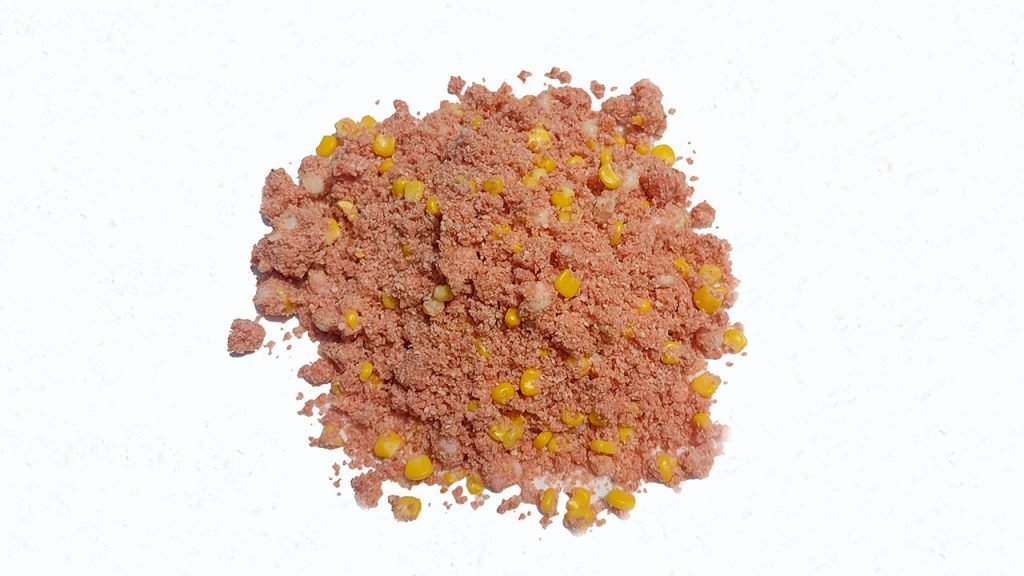
- PowerBait or Dough Bait: Still works for stocked trout, especially in deeper water. We recommend getting this pack for starting your collection HERE
Use small split shot or slip sinker rigs to reach the bottom where trout are holding.
Choosing the right bait and presenting it effectively is one of the Best Summer Trout Fishing Techniques you can use, especially when fish are deep and selective.
8. Float Rigs for Summer Trout Drift Fishing

In rivers and streams, float fishing lets your bait or fly drift naturally with the current, which looks more realistic to trout. This technique works best in:
- Slower runs or seams
- Near undercut banks
- Along structures like fallen trees or boulders
Use a small bobber or strike indicator and keep your bait near the bottom or mid-column. Using float rigs is among the best summer trout fishing techniques when targeting river trout holding near structure.
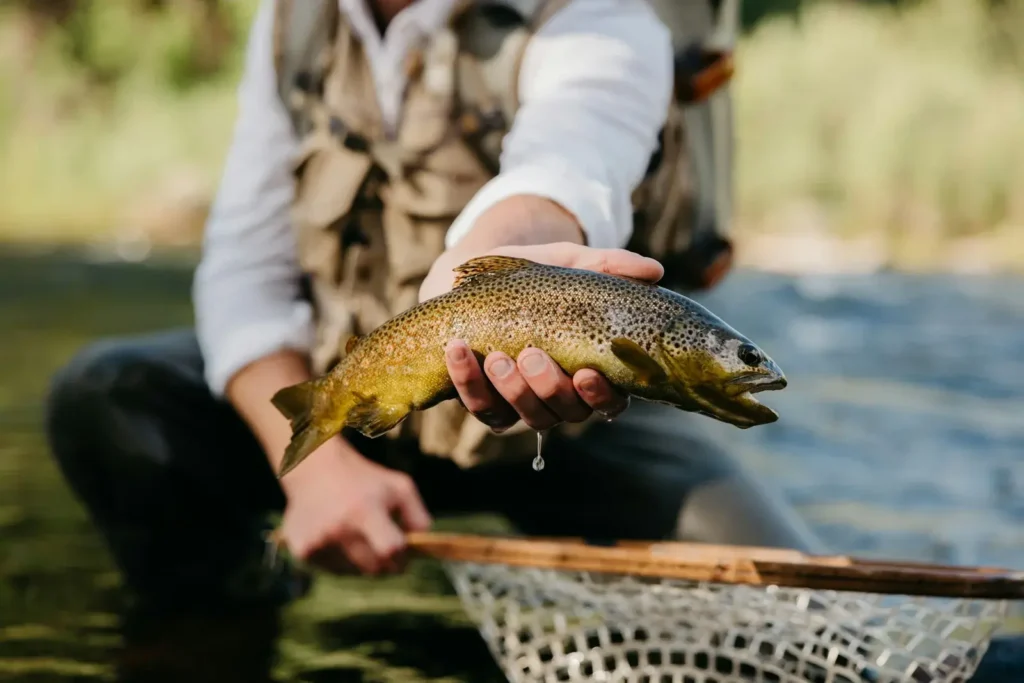
9. Catch and Release Techniques for Summer Trout
Warmer water holds less oxygen, which stresses fish more. If you’re not keeping trout to eat, make sure you:
- Land fish quickly
- Use barbless hooks
- Handle them gently with wet hands
- Release them promptly
A quick release can mean the difference between survival and mortality, especially in midsummer heat. Practicing ethical handling and quick release is not just good for the ecosystem—it’s one of the Best Summer Trout Fishing Techniques for long-term sustainability. If you want to learn more about sustainable fishing techniques, check out our Fish Care page!
10. Night Fishing: An Advanced Summer Trout Fishing Technique
When temperatures are high and daylight hours are long, night fishing can be an exciting option. Trophy browns and rainbows often feed heavily at night when it’s cooler and safer.
Use larger streamers or baitfish imitations, fish slow, and bring a headlamp.
Trout fishing in the summer takes patience, awareness, and smart adjustments. Whether you’re fly fishing a cool mountain stream or casting bait into a shaded reservoir cove, knowing how trout behave in hot weather gives you a major edge. Use these tips to adapt your approach, respect the water, and keep the bites coming all summer long. By mastering these Best Summer Trout Fishing Techniques, you can stay productive even when the weather heats up.
Best Places for Summer Trout Fishing Near You
Looking for where to apply these Best Summer Trout Fishing Techniques in your area? Here are some of the best summer trout fishing locations in the U.S. where these tips work exceptionally well:
Best Local Trout Spots by Region
Midwest (e.g., Missouri, Wisconsin, Michigan):
- Current River (MO): Cool spring-fed flows great for early morning spin fishing.
- Driftless Area (WI): Shaded spring creeks ideal for fly fishing with dry-dropper rigs.
- Au Sable River (MI): Known for its deep pools and active evening hatches.
Rocky Mountains (e.g., Colorado, Montana, Idaho):
- South Platte River (CO): Great for float rigs and hopper-dropper combos in summer.
- Gallatin River (MT): Fish early morning or at dusk to match active caddis hatches.
- Silver Creek (ID): Famous for selective trout—perfect for finesse rigs and nymphs.
Pacific Northwest (e.g., Oregon, Washington):
- Deschutes River (OR): Deep pools and tailwater stretches ideal for summer trout.
- Yakima River (WA): Excellent dry fly fishing in late evening under shaded banks.
Southeast (e.g., North Carolina, Georgia, Tennessee):
- Nantahala River (NC): Cold tailwater with strong trout populations and good night fishing.
- Toccoa River (GA): Morning bite is strong; fish shaded bends with small spinners.
- South Holston River (TN): Ideal for drift fishing and PowerBait in deeper runs.
Northeast (e.g., Pennsylvania, New York, Vermont):
- Penns Creek (PA): Summer terrestrials like ants and beetles are deadly here.
- Esopus Creek (NY): Use barbless hooks and catch-and-release gently in warm spells.
- White River (VT): Great for ultralight spinning and natural bait in clear flows.
💡Takeaways
📌Understand Summer Trout Behavior in Warm Water
Trout become sluggish and move to cooler zones like deep pools, spring inlets, and shaded river bends. Knowing where they hide is key to catching them during summer.📌Fish During Early Morning and Late Evening Windows
The best summer trout fishing times are sunrise to mid-morning and sunset to dusk. These cooler hours trigger more active feeding behavior.📌Downsize Your Tackle for Finesse Fishing
Use light lines (2–6 lb), small hooks (sizes 10–16), and ultralight rods. Subtle presentations are essential for enticing trout in clear, warm water.📌Target Cold-Water Zones in Lakes and Rivers
Focus on deep pools, inflow areas, tailwaters below dams, and shaded banks. Use a thermometer to find trout-friendly water under 65°F.📌Match the Hatch with Fly Fishing Patterns
Use seasonally effective flies like Elk Hair Caddis, Pheasant Tails, and hoppers. Dry-dropper rigs work well in rivers and alpine streams during summer bug hatches.📌Use Natural-Looking Lures for Spin Fishing
Stick to small spinners, spoons, and soft plastics in natural colors. Slow, steady retrieves mimic real prey and provoke strikes in warm-weather trout.📌Choose Smart Summer Baits for Stocked and Wild Trout
Worms, salmon eggs, and dough baits work well when fished deep. Present baits gently with slip sinkers or split shot to reach bottom-feeding trout.📌Use Float Rigs for Natural Drift in Currents
Float fishing is ideal for rivers. Let your bait or fly drift naturally through seams, undercut banks, and around submerged structure.📌Practice Responsible Catch and Release in Hot Weather
Use barbless hooks, land fish quickly, and release them fast with wet hands. Warm water stress can harm trout—especially above 68°F.📌Try Night Fishing for Trophy Trout in Summer
Large trout feed at night when it’s cooler. Use streamers or baitfish imitations and fish slowly. A headlamp and patience can lead to big catches.
FAQ
Is summer good for trout fishing?
Yes, summer can be great for trout fishing—if you adjust your strategy. Trout become more selective in warm water, so following the best summer trout fishing techniques, like fishing early or late and targeting cold-water zones, can lead to consistent success.
What is the best bait for trout in the summer?
The best summer baits for trout include red wigglers, salmon eggs, and PowerBait in cooler, deeper water. Natural presentation is key, so pairing the right bait with light tackle is one of the top trout fishing techniques for summer.
Where to trout fish in the summer?
In summer, trout are usually found in deeper lakes, shaded river bends, spring-fed streams, and tailwaters below dams. These areas offer the cool, oxygen-rich water trout seek when surface temperatures rise.
How hot is too hot for trout fishing?
When water temperatures rise above 68–70°F (20–21°C), trout become stressed and stop feeding actively. For ethical catch and release—and better chances of success—focus on cooler parts of the day or cold-water environments.
Will trout bite in 80 degree weather?
Trout can bite in 80°F air temperatures, but the key is finding water that’s still cool. In hot conditions, the best summer trout fishing techniques involve locating deep pools, spring inlets, or shaded runs where trout remain active.
How deep do trout go in the summer?
Trout often move to depths of 10 to 30 feet in lakes during summer, depending on oxygen levels and thermoclines. In rivers, they’ll stick to deep pools or areas with cold inflow. Using weighted rigs or sinking flies helps reach them effectively.

Jesse Earl – Author
Jesse Earl is a passionate freshwater angler and the founder of Reel Activities. When he’s not testing gear or writing how-to guides, you’ll find him exploring hidden lakes, chasing walleye, or casting from the shoreline with a cup of gas station coffee in hand.