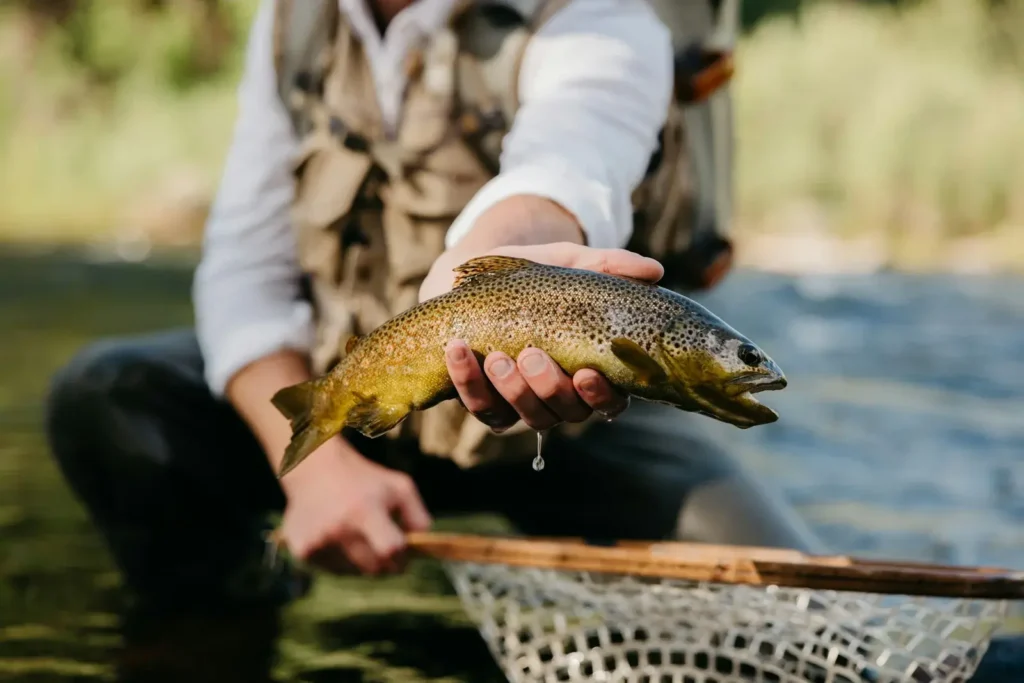
The Best Beginner Fly Fishing Guide: 10 Essential Items You Need to Succeed
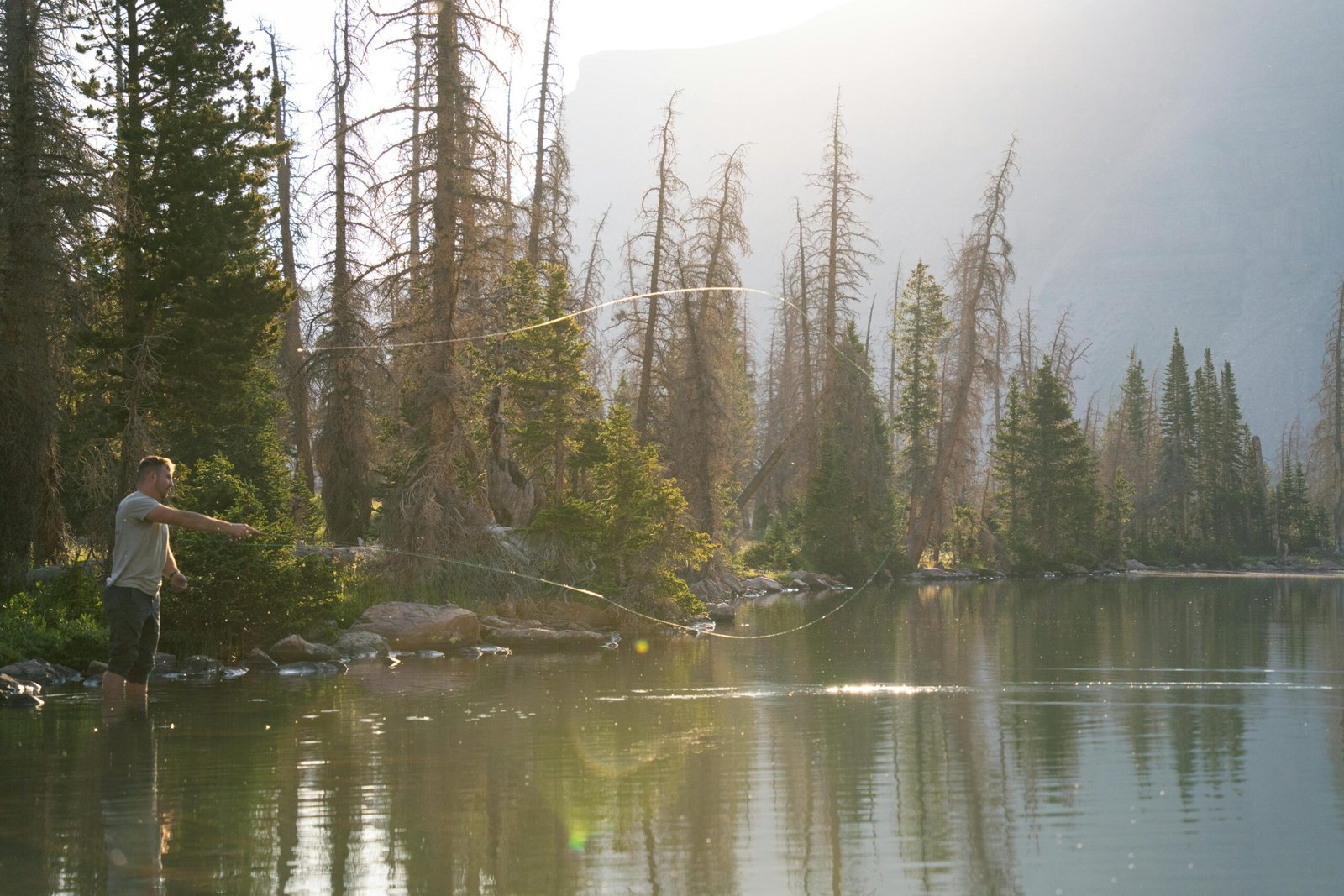
Introduction to the Beginner Fly Fishing Experience
For many new anglers, the world of fly fishing appears elegant, technical, and fascinating, yet slightly intimidating from the outside. Unlike traditional tackle methods, this approach requires a deep understanding of presentation, line control, and aquatic ecology. When properly taught, however, fly angling becomes one of the most rewarding and educational forms of freshwater fishing. Whether you are preparing to cast on your first river or looking to understand core equipment before stepping onto a streambank, this comprehensive two-part article will guide you through the essential elements of the sport. The Best Beginner Fly Fishing Guide lays out a clear foundation for choosing equipment, learning core techniques, and identifying ideal waters for practice.
Many of the examples in this guide reference Western trout fisheries, particularly those found in Colorado. The state offers a wide range of environments and is recognized as one of the premier learning regions for trout anglers. Cold tailwaters, freestone rivers, and accessible municipal streams serve as excellent classrooms for anglers at every skill level. Later in the guide, we will explore waters such as Colorado fly fishing destinations, the foothill canyons popular with residents, and larger river systems that provide year-round opportunities for trout.
For more beginner-friendly fishing articles and gear recommendations, explore additional resources at ReelActivities.com.
1. Selecting a Fly Rod Suitable for Beginners
No piece of equipment has as much influence over your success when starting out as your fly rod. The fly line, not a weighted lure, delivers your fly, so the rod must be properly matched, balanced, and responsive. A 9-foot, 5-weight rod remains the gold standard for most beginners because it can cast dry flies, nymph rigs, and small streamers with ease. Medium-fast action rods provide the best combination of forgiveness and performance: they help novice anglers load the rod quickly and maintain smooth timing during the casting stroke.
When shopping online or visiting a local outfitter, beginners should consider several key features:
- Material quality (graphite is preferred)
- Comfort of the cork grip
- Four-piece travel design
- Weight and swing balance
- Reliable manufacturer warranty
A well-selected setup not only accelerates the learning curve but also ensures you can transition into more specialized techniques later. Whether pursuing trout in a small foothill stream or practicing roll casts on a larger river, this foundational tool enhances every aspect of your development.
Choosing the Right Fly Rod for Different Species
While a 9-foot, 5-weight rod is ideal for most beginners, different species often require specific rod weights and lengths to handle their size, power, and preferred environments. Selecting the correct rod helps ensure proper casting, improved presentation, and safer fish handling.
- Trout (Most Freshwater Streams & Rivers)
A 4–6 weight rod covers nearly all trout scenarios. Lighter rods offer finesse on small creeks, while 5- and 6-weights handle larger rivers, heavier nymph rigs, and occasional wind. - Panfish & Small Warmwater Species
A 2–4 weight rod provides delicate presentations and makes smaller fish incredibly fun to catch. These rods excel in ponds, small lakes, and narrow creeks with limited casting room. - Bass (Largemouth & Smallmouth)
A 6–8 weight rod is the right choice when casting bulky poppers, streamers, or weighted patterns. Heavier rods offer backbone for fighting strong fish near structure. - Steelhead & Salmon
Because these species fight aggressively and often require longer casts, an 8–9 weight rod is recommended. These rods deliver larger flies efficiently and provide the lifting power needed for controlling fish in strong currents. - Saltwater Species (Redfish, Bonefish, Snook, etc.)
For inshore saltwater fishing, 7–9 weight rods are standard. They help cast into wind, lift heavy lines, and manage hard-running fish that demand more power and durability.
By matching rod weight to your target species, beginners can expand their range of fishing opportunities and develop a setup that remains effective across diverse waters and conditions.
If you land a memorable trout while practicing these techniques, you can upload your catch for a chance to win monthly prizes on our Slab Shots page.
Recommended Beginner Fly Fishing Rods

Wakeman Fly Fishing Rod, 5/6wt Rod
Buy on Amazon

PLUSINNO Fly Fishing Rod and Reel Combo, 5/6wt Rod
Buy on Amazon

Martin Complete Fly Fishing Kit, 5/6wt Rod
Buy on Amazon

SF Fly Fishing Rod Combo Starter Carbon Fiber Kit, 5wt
Buy on Amazon
2. Choosing a Balanced Fly Reel
Your reel is much more than a storage device for fly line. Although trout seldom make long, blistering runs like saltwater species, a good drag system protects light tippets and provides smooth resistance when fish surge unexpectedly. A low-quality reel, by contrast, risks line overruns, start-up lag, and structural issues that frustrate new anglers.
Key features to look for include:
- Large arbor spool for fast retrieval
- Smooth, sealed drag system
- Lightweight design to balance the rod
- Corrosion-resistant construction
- Easy spool interchangeability
Matching a reel correctly ensures that the setup feels consistent in hand and performs reliably in varying conditions. Whether you are casting to rising trout on a broad river or drifting nymphs through pocket water, the reel supports both control and landing success. In Part 2, we will also discuss how your reel plays an important role when fishing indicator rigs and maintaining proper tension during protracted fights.
Recommended Beginner Fly Fishing Reels
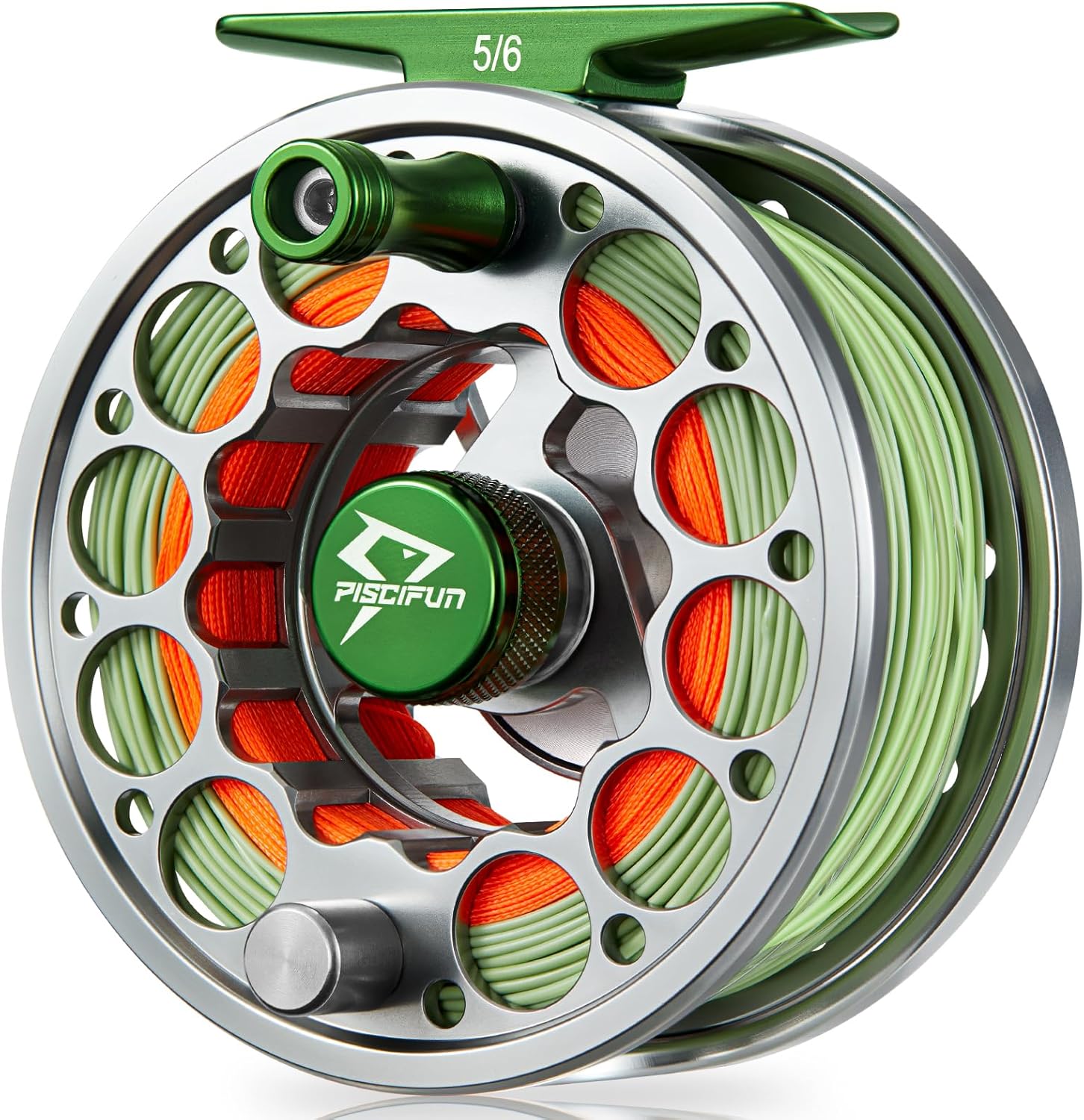
Piscifun Sword Fly Fishing Reel
Buy on Amazon

Piscifun Sword Fly Fishing Reel
Buy on Amazon
3. Understanding Fly Line Design and Why It Matters
A quality fly line is crucial for effective presentation. Unlike conventional fishing, where the lure carries the line, fly anglers rely on the line to deliver a nearly weightless fly with accuracy. Weight-forward floating lines are ideal for beginners, offering consistent casting performance across short and medium distances. Their design makes it easier to form clean loops, execute roll casts, and control the drift on moving water.
When selecting a line, beginners should pay attention to:
- Coating slickness for reduced friction
- Color visibility for drift tracking
- Taper structure for efficient loading
- Welded loops for convenience
A good line dramatically improves casting accuracy and enhances your ability to mend line on the water. Whether fishing dry flies or working a shallow nymph rig, understanding fly line dynamics is one of the most important building blocks for success.
Including Leaders, Tippets, and Backing in Your Line Setup
A beginner’s fly line setup is not complete without understanding how backing, leaders, and tippets fit into the system. These components work together with your fly line to create smooth casts, controlled drifts, and proper energy transfer from rod to fly.
• Backing
Backing is the thin, high-capacity line connected to your reel under your fly line.
It serves two purposes:
- Extra line for long runs, especially when fighting strong fish.
- Filling the spool so your fly line retrieves more efficiently.
Even trout anglers should include 50–100 yards of backing for proper spooling and balanced reel performance.
• Leaders
A leader is the tapered section that connects the end of your fly line to your tippet. Leaders transfer casting energy down to your fly, straighten out your presentation, and help the fly land softly.
Beginners typically use:
- 7.5–9 foot leaders for most trout fishing
- Longer leaders for spooky fish or clear water
- Shorter leaders for windy conditions or larger flies
• Tippets
The tippet is the final, thinnest section of line tied directly to your fly. It is designed to be replaced regularly and allows you to change flies without shortening your leader.
Tippets are sized by the “X” scale:
- 5X–6X for small dry flies and nymphs
- 3X–4X for larger patterns and light streamers
- 0X–2X for big streamers or warmwater species
Understanding how these components work together will dramatically improve your casting, increase turnover efficiency, and give you more precise presentations in a wide range of fishing situations.
Recommended Beginner Fly Fishing Line
Backing

SF Fly Fishing Backing Line
Buy on Amazon
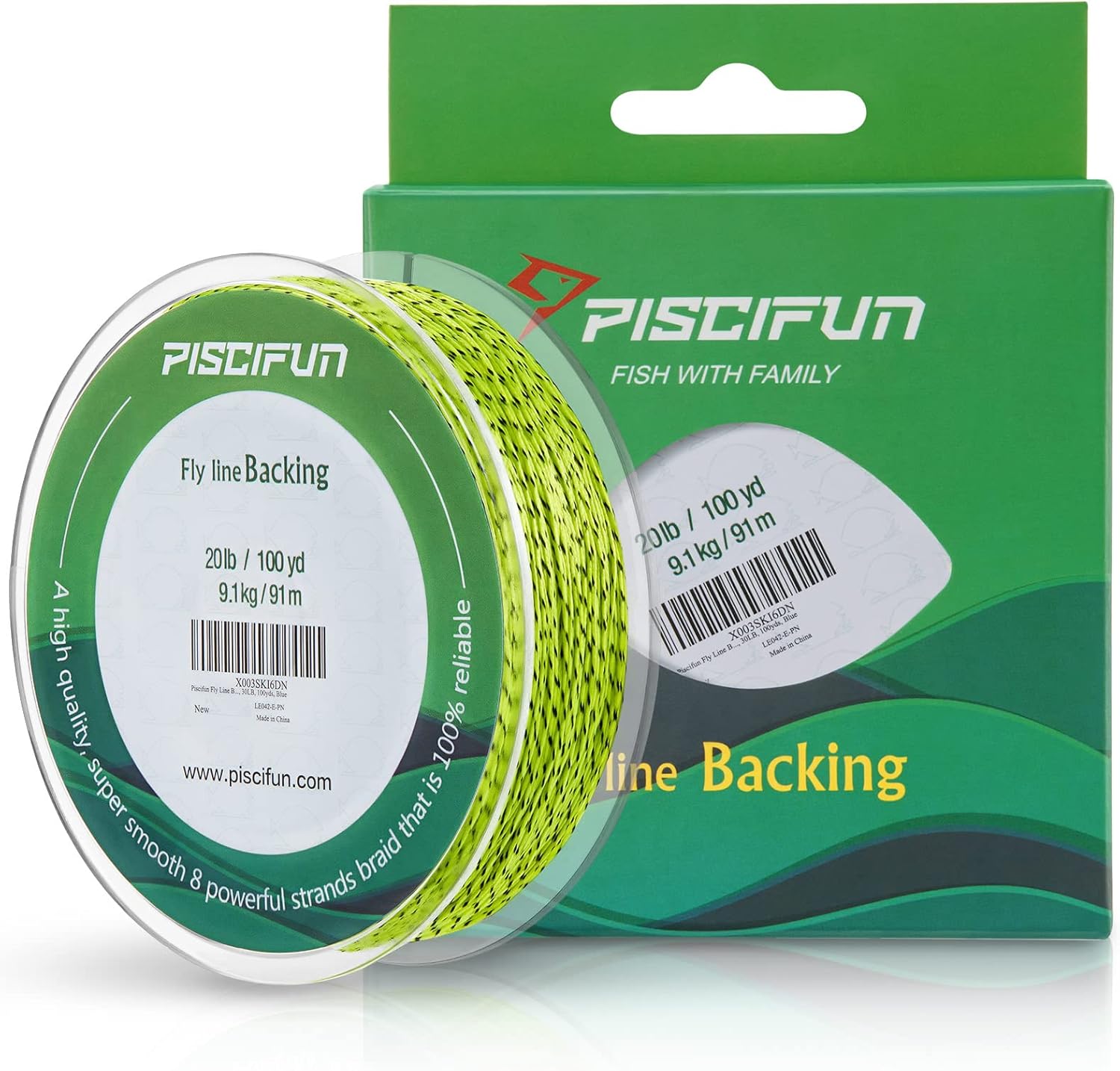
Piscifun Fly Line Backing
Buy on Amazon
Floating Line

SF Floating Fly Fishing Line
Buy on Amazon

Piscifun Floating Fly Line
Buy on Amazon
Tippets and Leaders

SF Clear Nylon Tippet Line
Buy on Amazon

Piscifun Fly Fishing Leader
Buy on Amazon
4. Essential Fly Patterns for New Anglers
A beginner’s fly box does not require dozens of obscure patterns. Instead, new anglers should focus on versatile fly fishing flies that represent universal food sources for trout. These patterns replicate adult insects, immature nymph forms, and larger aquatic creatures that trout regularly consume.
Every starter kit should include:
- Parachute Adams
- Elk Hair Caddis
- Pheasant Tail Nymph
- Zebra Midge
- San Juan Worm
- Woolly Bugger
Each of these patterns excels in a specific presentation scenario. Dry flies mimic adults resting on the surface, nymphs imitate underwater larvae drifting naturally in the current, and streamers represent baitfish or leeches. Learning to fish these patterns effectively provides a strong foundation for future exploration into more technical and specialized flies.
For more detailed species guides, rig tutorials, and location-based tips, browse our full library of articles in the Freshwater Fishing Guides archive.
Recommended Beginner Fly Patterns

Fly Fishing Flies Assortment Kit Dry and Wet Nyphms
Buy on Amazon

Fly Fishing Flies Assortment Kit Flies, Streamers, Nymph, Popper
Buy on Amazon

San Juan Worm Assortment
Buy on Amazon

Nymph Scud Midge Flies Kit Assortment
Buy on Amazon
5. Streamers and the Concept of the Fly Fishing Lure
Although fly anglers typically avoid the term “lure,” a streamer acts as the closest equivalent to a fly fishing lure. These large flies imitate minnows, crayfish, and other swimming prey. Streamers are highly effective in stained water, low-light conditions, and deeper holding water where trout rely more heavily on instinctive predation. They also appeal to beginners who have prior experience with traditional fishing because streamers use active retrieves similar to spinning or baitcasting techniques.
Streamer fishing helps new anglers develop:
- Retrieval timing
- Line stripping rhythm
- Targeted casting accuracy
- Understanding of trout aggression
In the second part of this article, we will examine how streamers play a role in seasonal patterns and why certain conditions favor this high-reward technique.
Recommended Beginner Streamers

Wounded Minnow Fly Streamers
Buy on Amazon

Brown Olive UV Polar Fry Slowly Sinking
Buy on Amazon
6. Waders, Boots, and Water Access
Proper clothing and safe movement are essential when stepping into moving water. Modern breathable fly fishing waders provide insulation and mobility without excessive weight or bulk. When paired with supportive wading boots, anglers can navigate a variety of riverbed conditions in comfort and confidence.
High-quality waders such as orvis waders offer strong seams, durable reinforcement, and effective waterproof membranes that handle changing weather and frequent use. Investing early in reliable wading gear encourages longer practice sessions and improves overall comfort, especially during spring and fall when water temperatures are cold.
Recommended Beginner Waders

FROGG TOGGS Hellbender
Buy on Amazon

Paramount Deep Eddy
Buy on Amazon
Recommended Beginner Wading Boots

FROGG TOGGS Hellbender Waterproof Fishing Wading Boot
Buy on Amazon
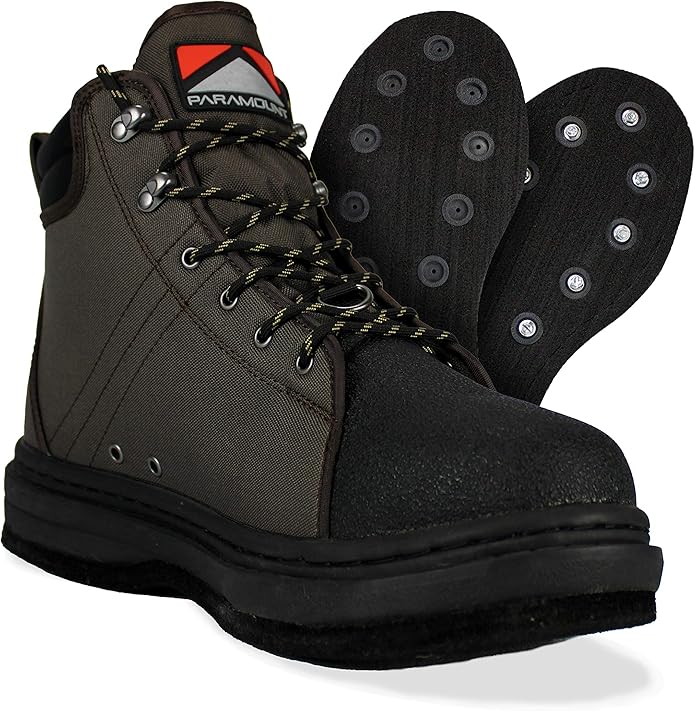
Paramount Outdoors Stonefly Wading Boots
Buy on Amazon
7. Vests, Slings, and Storage
Carrying equipment efficiently allows beginners to change tactics quickly without wasting valuable time rummaging through backpacks. A well-designed fly fishing vest or sling pack organizes flies, tippet spools, indicators, split shot, and tools in predictable, easily accessible pockets. This becomes especially important when practicing new techniques, where quick adaptation is a significant advantage.
Slings have grown in popularity due to their balanced carry style and easy rotation for access. Traditional vests remain dependable, offering consistent pocket placement and a classic feel many anglers still prefer. The second part of this guide will further explore specialized storage options and how to tailor your carry system to particular fishing environments.
Recommended Beginner Vests
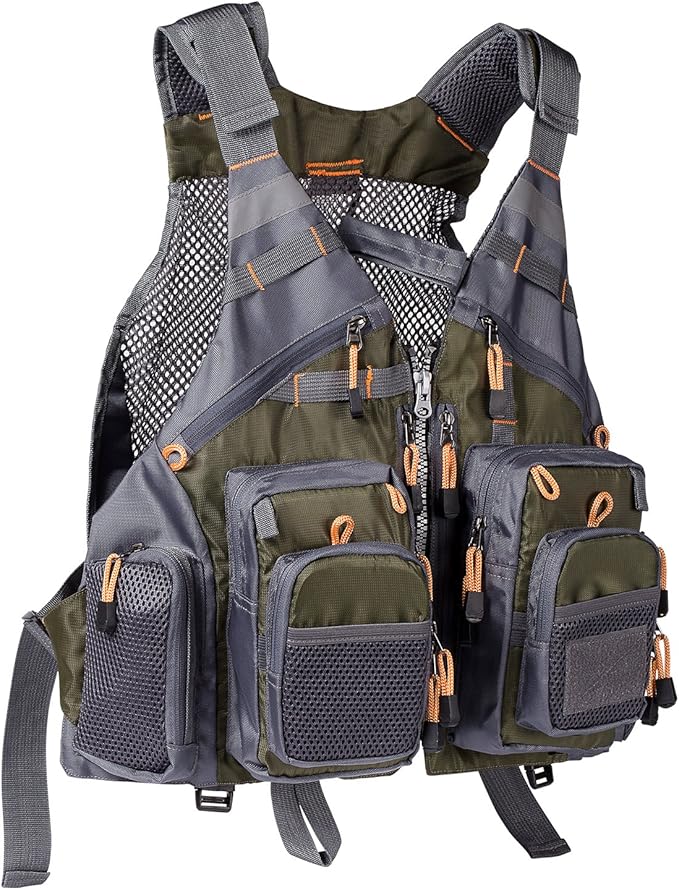
BASSDASH Strap Fishing Vest
Buy on Amazon

Kylebooker Fly Fishing Vest
Buy on Amazon
Recommended Beginner Slings

Piscifun Fishing Backpack Sling
Buy on Amazon

Kylebooker Fly Fishing Sling Pack
Buy on Amazon
8. Tying Your Own Flies
While not required for beginners, experimenting with fly tying materials eventually becomes an excellent way to learn insect behavior, hatch timing, and pattern selection. Tying flies deepens your understanding of what trout eat and why certain patterns outperform others in specific conditions. Even simple patterns such as midges and basic nymphs teach valuable lessons about proportions and profile.
9. Minimalist Options for Simple Waters
The art of tenkara, a fixed-line method rooted in Japanese mountain streams, offers a simplified introduction to fly fishing fundamentals. This method removes the reel, rod guides, and complex line systems, allowing beginners to focus entirely on casting precision and natural drift. Tenkara is particularly useful in tight, brushy creeks where long rods and traditional casting strokes become difficult.
10. Local Support, Fly Shops, and Regional Waters
Beginners benefit enormously from speaking with knowledgeable staff at a local fly shop. Seasonal conditions change rapidly, and the ability to discuss hatches, streamflows, and access points with experts accelerates your learning curve. Whether searching online with “fly shop near me” or visiting an established outfitter in person, shop staff can provide critical insights into gear selection and technique.
Regional education also plays a role in helping beginners understand where to practice. The next part of this article will explore notable waters such as:
- Colorado trout fishing locations
- Productive foothill streams
- Freestone river systems
- Accessible spots for practicing casting
We will also highlight opportunities in surrounding states and discuss why beginner locations matter in developing long-term skills.
Understanding Seasonal Strategy and Water Conditions
Success in fly fishing depends not only on equipment but on an angler’s ability to interpret changing water conditions. Seasonal shifts influence trout behavior, insect activity, and the overall structure of a river’s food cycles. Spring runoff brings increased flows and off-color water, summer produces consistent surface activity, fall stimulates aggressive feeding behaviors, and winter compresses trout into slower, deeper holding zones. Learning how these changes affect presentation allows beginners to transition from basic casting practice to thoughtful, strategic angling.
During early spring, tailwaters become top-tier practice grounds because flows remain stable and midges hatch consistently. The predictable nature of these insects gives anglers opportunities to refine drifts and adjust depth. Summer introduces terrestrials, caddis hatches, and mayfly cycles, making it ideal for dry fly practice. By fall, lower water and cooler temperatures produce incredible streamer activity, providing chances to work larger patterns and observe how trout respond to movement. Winter conditions challenge anglers to focus on precision, patience, and subtle takes—a phase that builds discipline and confidence.
Beginners can monitor real-time flows and river conditions through the USGS WaterWatch Current Streamflow Map, which helps determine when rivers are safe, accessible, and fishing well.
Practicing Nymphing: The Most Consistent Method for Beginners
Among all methods, nymphing remains the most productive and educational approach. Nymph rigs allow beginners to learn depth control, strike detection, and natural drift—skills that are the foundation of every successful angler’s toolkit. The technique involves suspending a weighted or unweighted subsurface fly beneath an indicator or using a tight-line contact system to keep the fly drifting naturally through the water column.
Beginners should pay attention to:
- Tippet length relative to depth
- Proper placement of split shot
- Indicator size and buoyancy
- Avoiding drag by mending early
- Recognizing subtle takes
On pressured trout fisheries, especially clear-water systems, the ability to produce a clean drift often outweighs fly pattern selection. A beginner who learns to read seams, position themselves correctly, and maintain contact with the fly will catch fish consistently even with simple, widely known patterns.
Understanding When to Fish Dry Flies
Surface fishing is one of the most recognizable parts of fly fishing, yet it requires conditions that align with trout feeding behavior. Dry flies imitate adult insects resting or emerging at the surface, and proper presentation demands finesse. Timing, visibility, and hatch awareness play major roles. During evenings in midsummer, trout often key on caddis or mayflies in riffles and soft edges, creating a perfect opportunity for new anglers to practice drag-free presentations.
To maximize success with dry flies:
- Cast upstream at a slight angle
- Reach mend immediately after the forward cast
- Keep slack controlled
- Respond quickly to surface takes
The thrill of watching a trout rise to a surface pattern is hard to match, making this a favorite technique once beginners gain confidence in their casting accuracy.
How to Incorporate Streamers Into Your Development
Streamer fishing introduces beginners to a more dynamic side of fly fishing, incorporating movement, speed, and direction into presentations. These patterns imitate prey that trout pursue instinctively. Because streamers trigger aggressive responses, they are especially effective in low light, high water, or during seasonal transitions.
Streamer fundamentals include:
- Casting quartering downstream
- Allowing the fly to swing through holding water
- Working retrieves with varying speed
- Maintaining tension through the drift
Streamer fishing also builds important rod-handling skills that support advanced techniques later in an angler’s development.
Exploring Colorado Waters Perfect for Beginners
Colorado offers a diverse selection of waters that are ideal for developing foundational skills. Many of these areas feature excellent access, consistent flows, and strong trout populations.
For anglers wanting to check where trout are being added throughout the season, Colorado Parks & Wildlife provides an updated statewide stocking report that helps beginners choose productive waters.
1. Fly Fishing Colorado’s Foothill Creeks
Foothill creeks provide forgiving environments with manageable flows and excellent visibility. One particularly popular region is Golden Colorado fly fishing, where anglers can explore riffles, pocket water, and deep runs without traveling far from urban areas. These creeks allow beginners to practice reading water, executing roll casts, and interpreting trout positioning.
2. The South Platte – A Tailwater Classroom
The South Platte River fly fishing corridor is regarded as one of the best training grounds in the Western United States. Its tailwaters provide year-round opportunity, stable temperatures, and abundant insect life. While technical, the system rewards anglers who focus on drift quality and subtle presentation adjustments.
3. Clear Creek and Denver-Area Waters
Running through the foothills and into the metro corridor, Clear Creek fly fishing remains one of the most accessible options for early development. Its varied structure encourages experimentation with different presentations and teaches valuable lessons about approaching runs, negotiating pocket water, and adapting to fluctuating flows.
Many beginners search online for “fly fishing near Denver” or visit established outfitters and Denver fly shops to find suitable stretches for practice. Shop staff often provide up-to-date flow information and insights into seasonal changes in trout behavior.
4. Reservoir Edges and Stillwaters
Stillwater environments challenge anglers to develop new observation skills. Winds at Chatfield Reservoir trout fishing locations often create ideal ripple conditions for sight-fishing, while shorelines and coves provide structure where trout cruise for food. Experimenting with retrieves, depth variation, and fly selection sharpens casting control and presentation efficiency.
5. Mountain Streams and Wilderness Settings
Small streams present unique opportunities for skill development. Areas near Bear Creek Colorado fishing access points are perfect for practicing bow-and-arrow casts, learning stealthy approach techniques, and refining accuracy in tight quarters.
6. Classic Western Freestones
Larger river systems such as the Arkansas River Colorado fly fishing corridor give beginners room to practice long casts, manage line effectively, and understand multi-seam current structure. These freestones also offer a variety of hatches throughout the year, enabling anglers to experiment with nymphs, dries, and streamers.
7. Tailwater Midge Fisheries
Another exceptional location for skill development is Blue River fly fishing in its tailwater stretches. Winter midge cycles teach beginners how to downsize tippet, refine drift quality, and recognize delicate takes—skills that elevate overall competence.
Visiting Local Shops and Building Community Skills
Buying gear online is convenient, but the learning curve becomes far smoother when beginners take advantage of local knowledge sources. Search terms like “fly shop near me” help locate reputable outfitters that regularly assist new anglers. These shops offer:
- Up-to-date hatch charts
- Local access information
- Recommended patterns for current conditions
- Advice on rod and line pairing
- Seasonal safety considerations
Fly shops also provide opportunities to meet other anglers, attend casting clinics, and receive valuable feedback that accelerates progression. Many shops host community events throughout the year, enabling beginners to explore the waters with experienced anglers who understand local conditions.
Expanding Beyond Colorado and Exploring Broader Species
While Colorado serves as the central example throughout this guide, the principles apply across the country. Anglers in northern regions may pursue migratory species and experiment with advanced techniques such as steelhead trout fishing, which combines long drift control with powerful fish capable of significant runs. Exploring new species builds versatility and reinforces foundational skills developed on smaller streams.
Additionally, anglers often broaden their horizons beyond trout, learning warmwater techniques, exploring stillwater environments, or embracing multi-species strategies that include smallmouth bass, panfish, and other game species. These experiences help deepen appreciation for aquatic ecosystems and refine essential skills such as reading structure, adjusting depth, and matching prey movements.
Technique Development: Putting It All Together
To grow from a beginner into a confident and effective angler, it is essential to combine equipment knowledge with strong on-water awareness. The following areas contribute significantly to long-term success:
1. Casting Fundamentals
Develop a balanced, consistent stroke. Smooth acceleration, controlled stops, and proper timing produce efficient loops.
2. Drift Management
A natural drift mimics insect behavior. Mend early, maintain control, and avoid unnecessary slack.
3. Reading Water
Identify seams, transition lines, deep pockets, and feeding lanes. Structure influences trout positioning.
4. Depth Control
Subsurface presentations are effective only when weighted correctly. Adjust tippet and split shot to match depth.
5. Situational Awareness
Observe insect activity, bird behavior, water clarity, and trout responses. Each detail informs fly selection and presentation.
New anglers who want structured casting practice can explore the educational resources provided by Fly Fishers International through their casting overview guide, which breaks down proper stroke mechanics and loop control.
Final Thoughts
Developing proficiency in fly fishing requires patience, practice, and a willingness to observe the natural world closely. Equipment matters, but skill development ultimately defines success. With guidance from local experts, time spent on diverse waters, and an understanding of foundational techniques, beginners can build a rewarding lifelong connection to the sport. By applying the lessons outlined throughout The Best Beginner Fly Fishing Guide, new anglers will be well-prepared to approach rivers, creeks, and lakes with confidence and clarity.
💡Takeaways
📌Understanding the Complete Beginner Fly Fishing Setup
Beginning fly anglers succeed fastest when they understand how each part of their setup works together. From choosing a balanced rod and reel to selecting the right fly line, backing, leader, and tippet, every component influences casting accuracy and presentation. The post emphasizes how beginners benefit from properly matched equipment because it improves turnover, drift control, and comfort across different waters.📌Matching Rod Weight to Target Species Builds Confidence
The guide explains why different fish species require specific rod weights, helping beginners make informed decisions instead of relying on a one-size-fits-all approach. Lightweight rods improve finesse on small creeks, mid-weights excel on trout rivers, and heavier rods are essential for bass, steelhead, salmon, and saltwater species. Understanding rod weight helps new anglers expand their fishing opportunities and choose gear suited to their local waters.📌Quality Fly Line Greatly Improves Casting and Drift
The post highlights that fly line—not the fly itself—is what delivers the cast, making it one of the most important items beginners can upgrade. Weight-forward floating lines help create clean loops, accurate presentations, and controlled drifts. Combined with proper backing, tapered leaders, and correctly sized tippets, beginners experience better mending, improved accuracy, and more natural presentations in both dry fly and nymph setups.📌Essential Fly Patterns Create a Strong Starting Point
Instead of overwhelming beginners with dozens of choices, the guide identifies core patterns—such as the Parachute Adams, Pheasant Tail, Elk Hair Caddis, Zebra Midge, San Juan Worm, and Woolly Bugger—as the foundation of any beginner fly box. These flies imitate universal food sources and help new anglers learn presentation techniques across dry flies, nymphs, and streamers without unnecessary complexity.📌Learning Key Techniques Builds Long-Term Fly Fishing Skills
The article explains how beginners progress by mastering casting fundamentals, natural drift, water reading, depth control, and situational awareness. Whether fishing nymphs, dries, or streamers, new anglers grow fastest when they practice technique consistently. Understanding how trout respond to current, structure, insect cycles, and seasonal changes allows beginners to adapt and become more effective on their local waters.📌Colorado Waters Provide Ideal Learning Environments
The guide uses Colorado as a prime example of a beginner-friendly fly fishing landscape. Foothill creeks, metro-area streams, tailwaters like the South Platte, and freestones such as the Arkansas offer varied, accessible environments that teach reading water, drift control, and species behavior. These locations help beginners build confidence while practicing the techniques discussed throughout the post.
What is the trick to fly fishing?
The trick to fly fishing is learning how to present the fly in the most natural way possible. Because the fly has almost no weight, the fly line delivers it, which means success depends on smooth casting, good mending, and controlling slack on the water. When beginners focus on creating a natural drift and reading the current correctly, trout respond more often, and the entire process becomes much easier and more intuitive.
What does a beginner fly fisherman need?
A beginner fly fisherman needs a basic but balanced setup that includes a 9-foot 5-weight fly rod, a matching reel, weight-forward floating line, backing, tapered leaders, and tippet. A small fly selection such as the Parachute Adams, Elk Hair Caddis, Pheasant Tail, Zebra Midge, and Woolly Bugger covers most trout situations. Waders, boots, and a vest or sling help organize gear and make time on the water more comfortable. With these essentials, a beginner can fish nearly any trout stream and learn the fundamental skills of casting and presentation.
What is the holy grail of fly fishing?
Many anglers consider the holy grail of fly fishing to be the perfectly executed drag-free drift. This is when the fly moves naturally with the current and looks completely lifelike to feeding trout. Other anglers view landing a wild trout on a dry fly as the ultimate moment. Both perspectives point to the same idea, which is mastery of presentation and timing, the skills that separate experienced fly anglers from beginners.
Is fly fishing becoming less popular?
Fly fishing is not becoming less popular. Participation has steadily grown as more people search for outdoor activities that offer relaxation, challenge, and a deeper connection to nature. Affordable beginner kits, online learning resources, and easy-to-access urban waters have all helped more new anglers discover the sport. Many states, including Colorado, continue to see strong growth in both river and stillwater fly fishing.
What is the fly fishing capital of the United States?
Colorado is widely recognized as one of the fly fishing capitals of the United States. Its combination of freestone rivers, tailwaters, foothill creeks, reservoir edges, and year-round trout opportunities draws anglers from across the country. Areas such as the South Platte River, Arkansas River, Clear Creek, and the Blue River are especially popular. Other places often mentioned include Montana, Idaho, and the Catskills, but Colorado remains one of the most accessible destinations for beginners and experienced anglers.
Is fly fishing good for mental health?
Fly fishing is very good for mental health because it encourages focus, patience, and immersion in natural surroundings. The rhythmic motion of casting, the sound of flowing water, and the need to observe small details create a calming, almost meditative experience. Many anglers find that time spent on the water reduces stress, improves clarity, and provides a sense of peace and balance.

Jesse Earl – Author
Jesse Earl is a passionate freshwater angler and the founder of Reel Activities. When he’s not testing gear or writing how-to guides, you’ll find him exploring hidden lakes, chasing walleye, or casting from the shoreline with a cup of gas station coffee in hand.