
Rainbow Trout (Oncorhynchus mykiss)
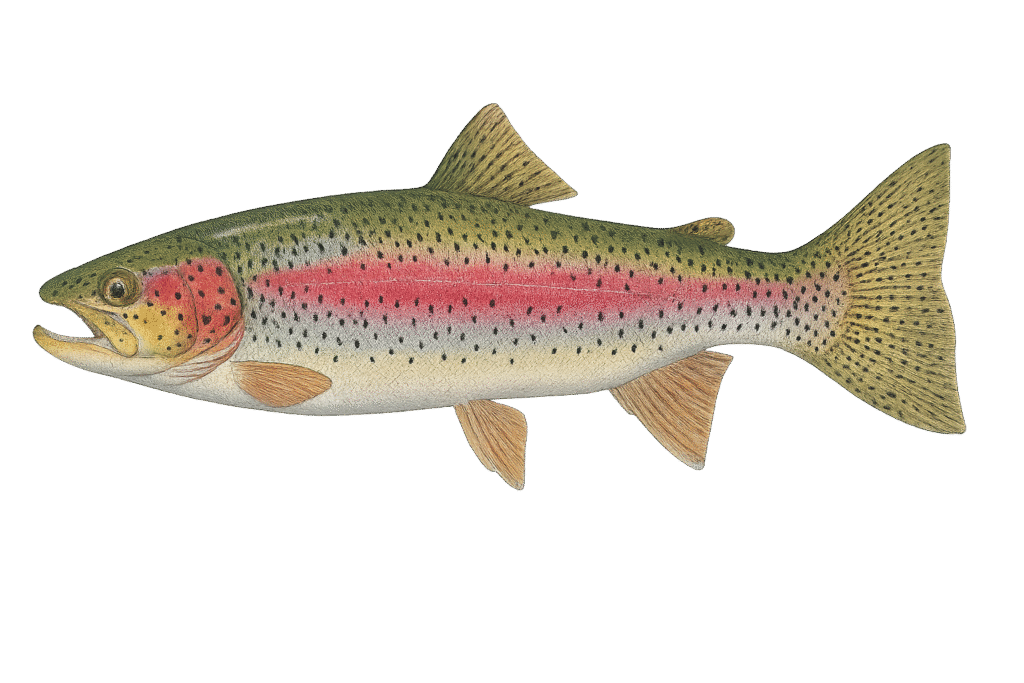
The Rainbow Trout (Oncorhynchus mykiss) is one of the most celebrated and widely distributed freshwater fish in North America. Admired for its dazzling coloration, spirited fight, and adaptability, the rainbow trout has become a symbol of pristine mountain streams and cold-water angling. Belonging to the Salmonidae family, which also includes salmon and char, this species is instantly recognizable by its shimmering silver body, the pink-to-red lateral stripe along its sides, and black speckling across its back and fins. Native to the Pacific Coast but introduced worldwide, the rainbow trout thrives in a variety of clear, cool, oxygen-rich waters—making it a favorite among both fly anglers and conventional fishermen alike.
If you’ve landed a beautiful Rainbow Trout recently, you can share your catch on the Slab Shots page for a chance to win prizes like Bass Pro gift cards or free fishing lures. Submitting your photo helps celebrate responsible angling and showcases some of the best Rainbow Trout catches from across Colorado and beyond.
This comprehensive guide will cover everything you need to know about rainbow trout: how to identify them, where to find them, their spawning behavior, daily and seasonal activity patterns, feeding habits, proven fishing techniques, conservation efforts, and their ecological importance in freshwater ecosystems. For more information on species distribution and conservation status, visit the U.S. Fish & Wildlife Service’s Rainbow Trout page.
How to Identify Rainbow Trout
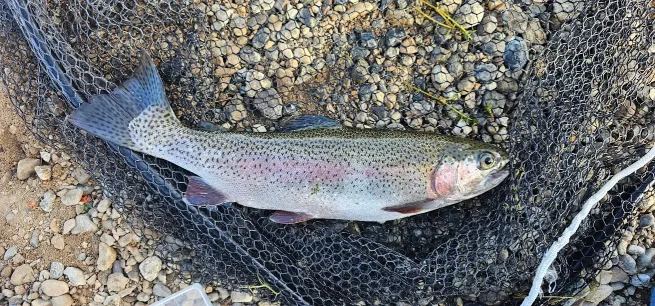
The Rainbow Trout is one of North America’s most recognizable and celebrated freshwater fish, admired for its stunning coloration and graceful shape. Their body is sleek and streamlined, built for fast swimming through cold mountain streams and deep alpine lakes.
Adult Rainbow Trout typically have a silvery body with a distinct pink to reddish lateral stripe that runs from the gills to the tail. The back ranges from olive-green to bluish-gray, fading into a silvery white belly. A pattern of small black spots covers their back, dorsal fin, and tail fin, which is slightly forked.
Juvenile trout, known as parr, are easy to identify by the dark vertical bars (parr marks) along their sides, which fade as the fish matures.
In some lakes and coastal rivers, Rainbow Trout that migrate to the ocean are known as Steelhead Trout. These have a more metallic, chrome-like appearance and can grow significantly larger than their freshwater relatives. Whether wild or hatchery-raised, Rainbow Trout exhibit incredible color variation depending on diet, habitat, and time of year.
Habitat: Where to Find Rainbow Trout
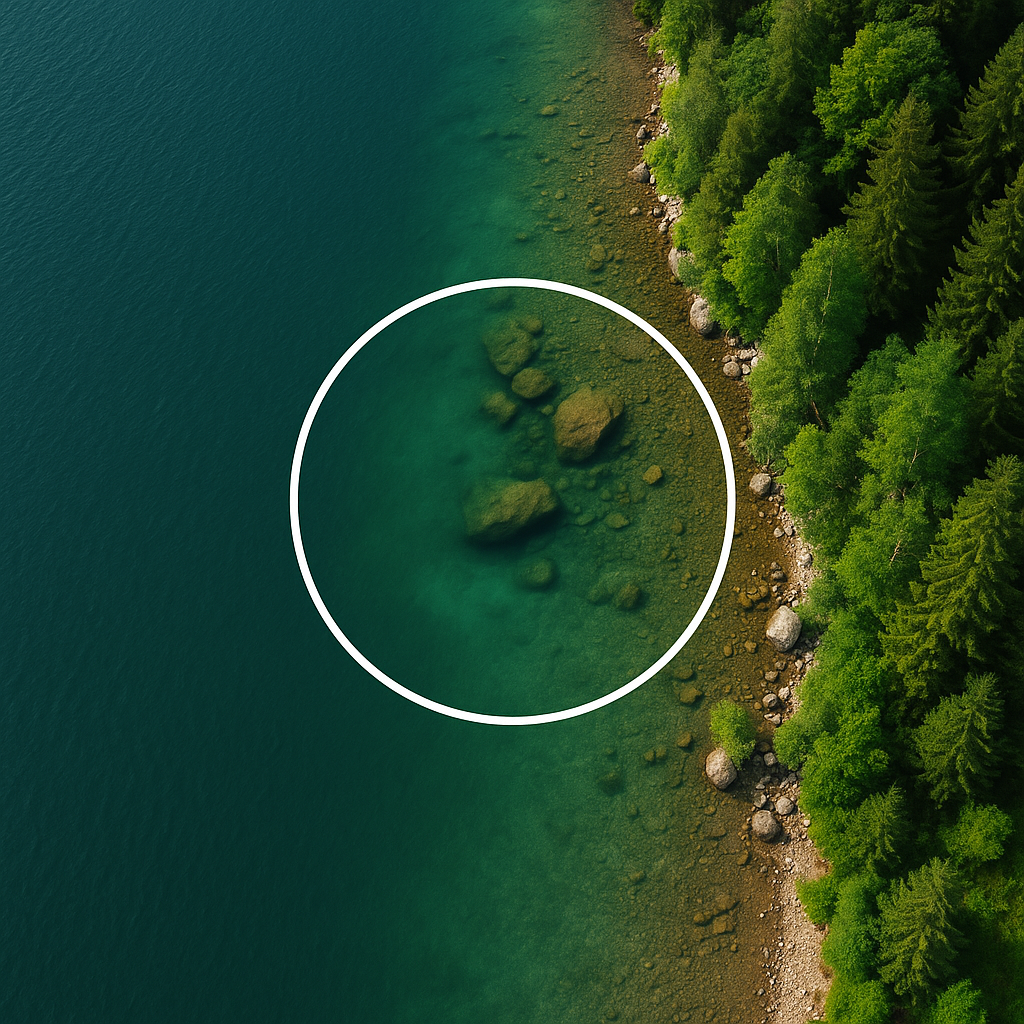
Rainbow Trout thrive in cold, clean, and oxygen-rich waters, typically found in mountainous or high-altitude regions. They prefer clear, well-oxygenated rivers, creeks, and deep, cool lakes with gravel bottoms and moderate to fast currents.
In Colorado, Rainbow Trout can be found in popular fishing spots such as Chatfield Reservoir, Eleven Mile Reservoir, Spinney Mountain Reservoir, Clear Creek, and The South Platte River. They often inhabit deep pools, undercut banks, and areas near fallen logs or boulders where currents slow and food collects.
Ideal water temperatures for Rainbow Trout range between 50°F and 60°F (10°C–15°C). If temperatures rise above 70°F (21°C), trout often retreat to deeper, cooler sections or areas fed by cold springs.
These fish are adaptable and have been introduced worldwide, thriving in both natural and managed waters. However, their success in new regions can sometimes affect native trout species, which is why biologists carefully monitor stocking and habitat interactions.
Spawning Season and Reproductive Behavior
Rainbow Trout typically spawn in the spring months, from March through May, depending on water temperature and elevation. Spawning begins when stream temperatures reach 42°F–52°F (6°C–11°C) and water levels are stable.
Females dig shallow depressions, called redds, in gravel streambeds using powerful movements of their tails. Once the redd is complete, the female lays 200 to 8,000 eggs, depending on her size. Males then fertilize the eggs externally.
After spawning, both parents leave the redd, and the eggs are left to develop on their own. Within 3 to 8 weeks, the eggs hatch into alevins, tiny trout with yolk sacs that provide nourishment. Once they absorb the yolk, they emerge from the gravel as fry, feeding on plankton and tiny insects in the shallows.
While some Rainbow Trout die after spawning, many survive and spawn again in following years, unlike salmon species that typically die post-spawning. In areas where conditions are favorable, spawning can occur naturally, maintaining self-sustaining wild populations.
When Are Rainbow Trout Most Active?
Rainbow Trout are most active during the cooler parts of the day, typically early morning around sunrise and late evening near sunset. These are the times when light levels are lower, water temperatures are comfortable, and aquatic insect activity increases near the surface. Anglers often refer to these peak feeding times as the “magic hours,” when trout rise eagerly to feed and become far less wary of movement above the water.
Their feeding and movement patterns are closely tied to water temperature and oxygen concentration. Cold water holds more dissolved oxygen, which trout need to remain active and strong. When temperatures rise during the midday sun, oxygen levels drop, and trout instinctively retreat to deeper pools, shaded banks, or cold spring inlets to conserve energy. In these conditions, slow presentations or deeper-running lures and nymphs tend to work best.
During spring and fall, Rainbow Trout activity levels are high throughout the day because water temperatures remain within their ideal comfort range—usually between 50°F and 60°F (10°C–15°C). In these seasons, trout are both feeding heavily to recover from winter or prepare for spawning, making them more aggressive and easier to catch across various depths and habitats.
In summer, bright sunlight and warm surface water can make trout skittish. However, overcast days, gentle rain, or light wind can trigger excellent feeding activity. These conditions reduce glare, cool the water slightly, and wash terrestrial insects such as grasshoppers and ants into the streams—creating a natural feeding frenzy. Anglers who take advantage of cloudy or drizzly days often experience the most consistent action.
In winter, Rainbow Trout slow their metabolism but continue to feed steadily in deeper, slower-moving pools and tailwaters where temperatures remain stable. They prefer subtle, natural movements in cold water, making small jigs, nymphs, and worms especially effective. Persistence pays off during the colder months, as strikes may be gentler and less frequent but often come from larger, overwintering fish.
Understanding these daily and seasonal rhythms helps anglers plan more successful trout fishing trips, whether casting a fly on a crisp autumn morning or trolling a deep lake in the heat of midsummer. Adapting to light, temperature, and seasonal changes is key to finding active, feeding Rainbow Trout year-round.
What Do Rainbow Trout Eat?
Rainbow Trout have an opportunistic and varied diet that shifts with growth and environment.
- Fry and Juveniles: Feed on plankton, aquatic insect larvae, and small crustaceans.
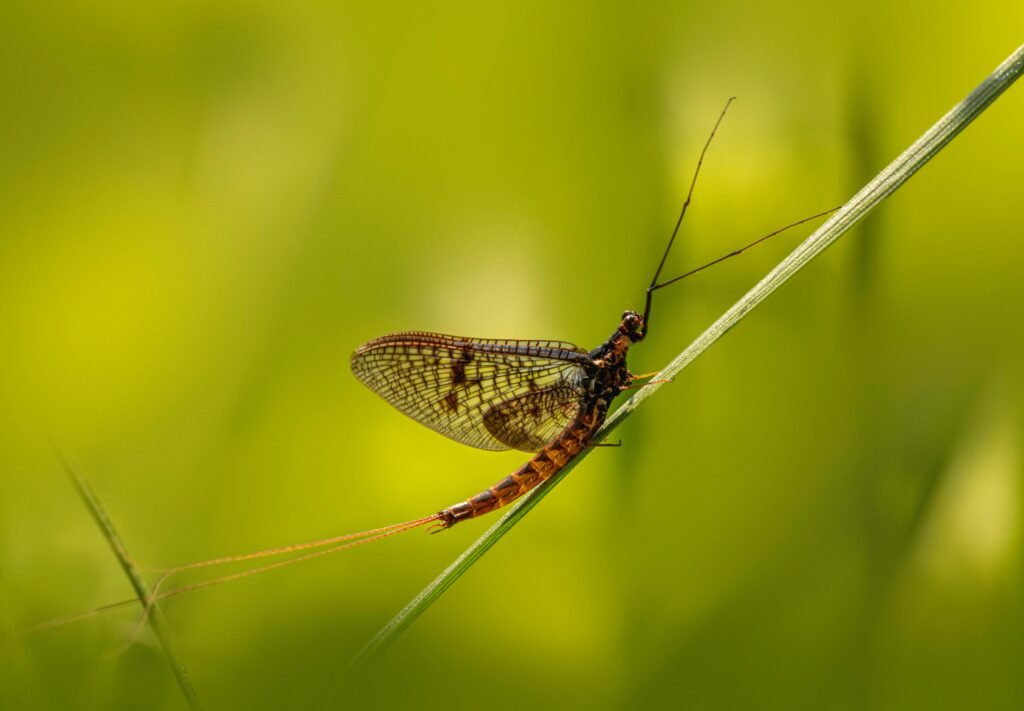
- Adults: Eat a broad range of food, including aquatic and terrestrial insects (mayflies, caddisflies, stoneflies), small fish, worms, leeches, snails, and even floating terrestrial insects like grasshoppers or ants.
In lakes and reservoirs, they often feed on zooplankton, scuds, and small baitfish such as minnows.
Their diet directly affects their coloration—fish with access to crustaceans often show richer pink or red lateral bands due to carotenoid pigments.
Because of their selective feeding, fly anglers often match their fly patterns to the insects present in the water, using dry flies, nymphs, or streamers depending on depth and season.
How to Catch Rainbow Trout
Catching Rainbow Trout is rewarding for both beginners and seasoned anglers. They are active fighters that leap and dart unpredictably when hooked, making every catch thrilling.
- Bait Fishing: Natural baits such as worms, salmon eggs, corn, and PowerBait are very effective, especially in stocked ponds. Present them on a small hook and light line for the best results.
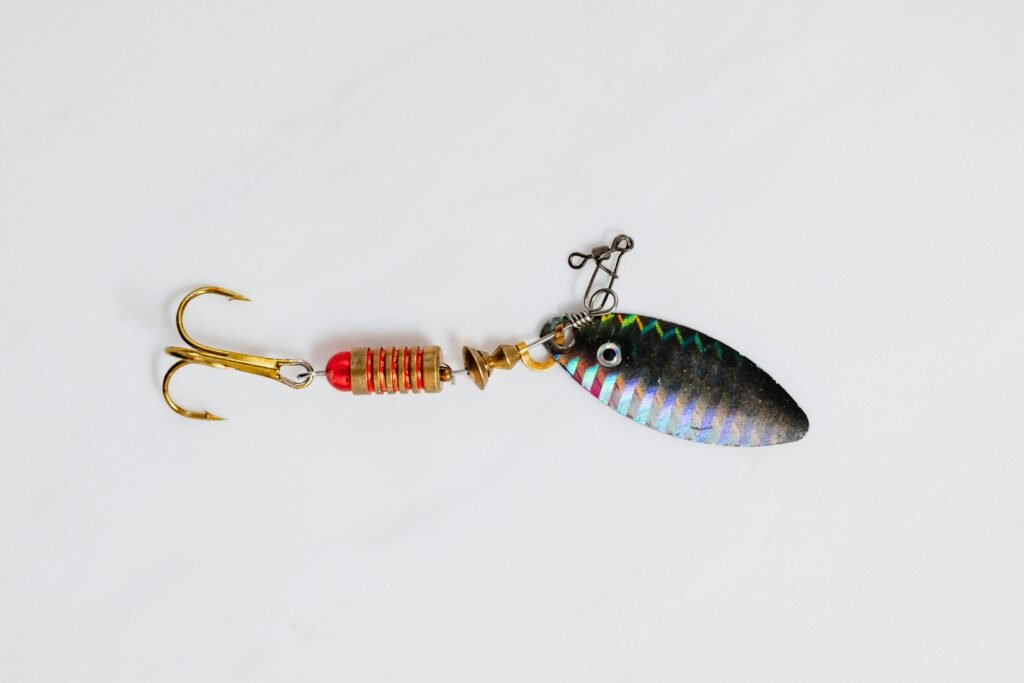
- Lure Fishing: Small spinners, spoons, and inline blades (like Mepps or Rooster Tails) are deadly in moving water. Retrieve slowly and vary the speed to trigger strikes.
- Fly Fishing: Rainbow Trout are one of the most popular targets for fly anglers. In spring, nymphs such as Hare’s Ear or Pheasant Tail imitate aquatic larvae, while dry flies like Adams, Elk Hair Caddis, and Blue-Winged Olive mimic adult insects.
- Tackle Tips: Use ultralight or light spinning gear with 2–6 lb test line in streams, or a 5-weight fly rod for most conditions. Cast upstream and let your bait or lure drift naturally with the current—trout often strike as it passes by their feeding lane.
Persistence, stealth, and matching the hatch are the keys to success.
For more details on effective lure colors and spinner styles for Rainbow Trout, check out Panther Martin Rainbow Trout Lures.
To explore more freshwater fishing techniques and species information, visit the Freshwater Species Guides on Reel Activities. There, you’ll find detailed trout profiles, regional tips, and gear recommendations for successful fishing across Colorado and beyond.
Conservation
Rainbow Trout are native to the Pacific drainages of North America, from Alaska to Mexico, but have been widely introduced across the globe for sportfishing. While they are resilient and adaptable, their introduction has impacted native species like Cutthroat Trout and Golden Trout through competition and hybridization.
Conservation efforts focus on habitat restoration, stream temperature management, and stocking genetically pure native trout in protected waters. Many states, including Colorado, now maintain wild trout management areas where stocking is minimized and natural reproduction is encouraged.
Responsible anglers help by practicing catch-and-release, using barbless hooks, and avoiding fishing in waters above 68°F (20°C) where trout stress easily. By respecting these conservation guidelines, anglers ensure the future of healthy trout populations and the ecosystems they support.
For official information about Rainbow Trout management, stocking programs, and fishing regulations in Colorado, visit the Colorado Parks and Wildlife Rainbow Trout page.
Why Fish for Rainbow Trout?
Fishing for Rainbow Trout is not just a pastime—it’s a tradition that connects people to the wild waters of the West. These fish combine beauty, intelligence, and fight, making them one of the most exciting species to pursue.
Their willingness to bite artificial lures and flies makes them accessible to anglers of all skill levels, and their acrobatic leaps when hooked create unforgettable memories. Beyond sport, Rainbow Trout are also valued as a sustainable food source, prized for their mild, flaky, pink flesh.
For many anglers, catching a Rainbow Trout symbolizes more than a successful day—it represents a deep connection to clean water, healthy ecosystems, and the timeless challenge of matching nature’s rhythm.
Whether you’re casting a fly into a cold Colorado stream or trolling the deep blue of a mountain reservoir, fishing for Rainbow Trout embodies the essence of freshwater adventure.
For more fishing tutorials, bait tips, and trout-catching strategies, visit ReelActivities.com.
💡Takeaways
📌Rainbow Trout are iconic cold-water fish admired for their beauty and fight.
Known for their shimmering silver bodies and pink-to-red lateral stripe, Rainbow Trout (Oncorhynchus mykiss) are among North America’s most celebrated freshwater species, valued by anglers for their spirited fight and widespread presence in clear, cool waters.📌They thrive in cold, oxygen-rich habitats such as mountain streams and alpine lakes.
Rainbow Trout prefer clean, fast-moving water between 50°F and 60°F, often near gravel bottoms, boulders, and submerged logs. In Colorado, they’re commonly found in Chatfield Reservoir, Eleven Mile Reservoir, Spinney Mountain Reservoir, Clear Creek, and the South Platte River.📌Rainbow Trout spawn in spring when water temperatures reach 42–52°F.
From March through May, females dig gravel nests called redds where they lay thousands of eggs that hatch within 3–8 weeks. Many adults survive post-spawning and return to spawn in future years, maintaining strong wild populations.📌Their diet is diverse, ranging from insects to small fish and crustaceans.
Rainbow Trout are opportunistic feeders that consume mayflies, caddisflies, stoneflies, worms, and minnows. Their coloration often reflects diet quality—fish feeding on crustaceans show deeper pink and red hues along their lateral line.📌Rainbow Trout can be caught using bait, lures, or flies depending on conditions.
Effective methods include worms, salmon eggs, and PowerBait in still waters; spinners and spoons in streams; and dry flies or nymphs for fly fishing. Success comes from stealth, natural presentation, and matching the hatch to local insect activity.📌Conservation and responsible angling ensure Rainbow Trout’s future.
Though native to the Pacific drainages of North America, Rainbow Trout are now introduced globally. Anglers help preserve populations by practicing catch-and-release, using barbless hooks, and avoiding fishing in warm water above 68°F, protecting these cold-water ecosystems for generations.
Is rainbow trout a good fish to eat?
Yes. Rainbow Trout is an excellent fish to eat. It has a mild, delicate, and slightly nutty flavor with flaky pink flesh that is similar to salmon. Because Rainbow Trout live in cold, clean water, their meat is lean and low in contaminants. They are also high in protein, omega-3 fatty acids, and essential vitamins, making them one of the healthiest freshwater fish to include in your diet.
Is rainbow trout a salmon?
Rainbow Trout (Oncorhynchus mykiss) belongs to the same family as salmon, the Salmonidae family, but it is not technically a salmon. They share a common ancestry and similar spawning behavior, but Rainbow Trout spend their entire lives in freshwater, while salmon migrate to the ocean before returning to spawn. Their close relationship explains their similar taste, coloration, and nutritional value.
Are rainbow trout and steelhead the same?
Steelhead and Rainbow Trout are the same species, but they live different lifestyles. Both share the scientific name Oncorhynchus mykiss. Steelhead migrate to the ocean and return to freshwater to spawn, while Rainbow Trout spend their entire lives in freshwater. Steelhead grow larger and have a more metallic, silvery appearance, while freshwater Rainbow Trout display brighter pink and red lateral stripes.
What is another name for rainbow trout?
Another common name for Rainbow Trout is Steelhead Trout, which refers to those that migrate to the ocean. Depending on location and subspecies, they may also be called Silver Trout or Redband Trout. All of these belong to the same species, Oncorhynchus mykiss, and are known for their adaptability and wide distribution in freshwater habitats around the world.
What state is known for rainbow trout?
Colorado is one of the best-known states for Rainbow Trout fishing. Its cold, clear mountain lakes and rivers provide perfect habitats for this species. Anglers can find Rainbow Trout in Chatfield Reservoir, Eleven Mile Reservoir, Spinney Mountain Reservoir, Clear Creek, and the South Platte River. Other states known for exceptional Rainbow Trout fishing include Montana, Idaho, Oregon, and Alaska.
Why can’t you touch trout with dry hands?
You should never touch Rainbow Trout with dry hands because doing so can remove the protective slime coating on their skin. This natural layer protects the fish from infection, parasites, and injury. Always wet your hands before handling trout, especially during catch-and-release fishing. Keeping their protective coating intact helps maintain healthy fish populations and supports conservation of cold-water ecosystems.