5 Key Warnings About the Toxic Algae Bloom at DeWeese Reservoir (CPW Alert 2025)
Toxic Algae Bloom at DeWeese Reservoir Prompts CPW Health Advisory
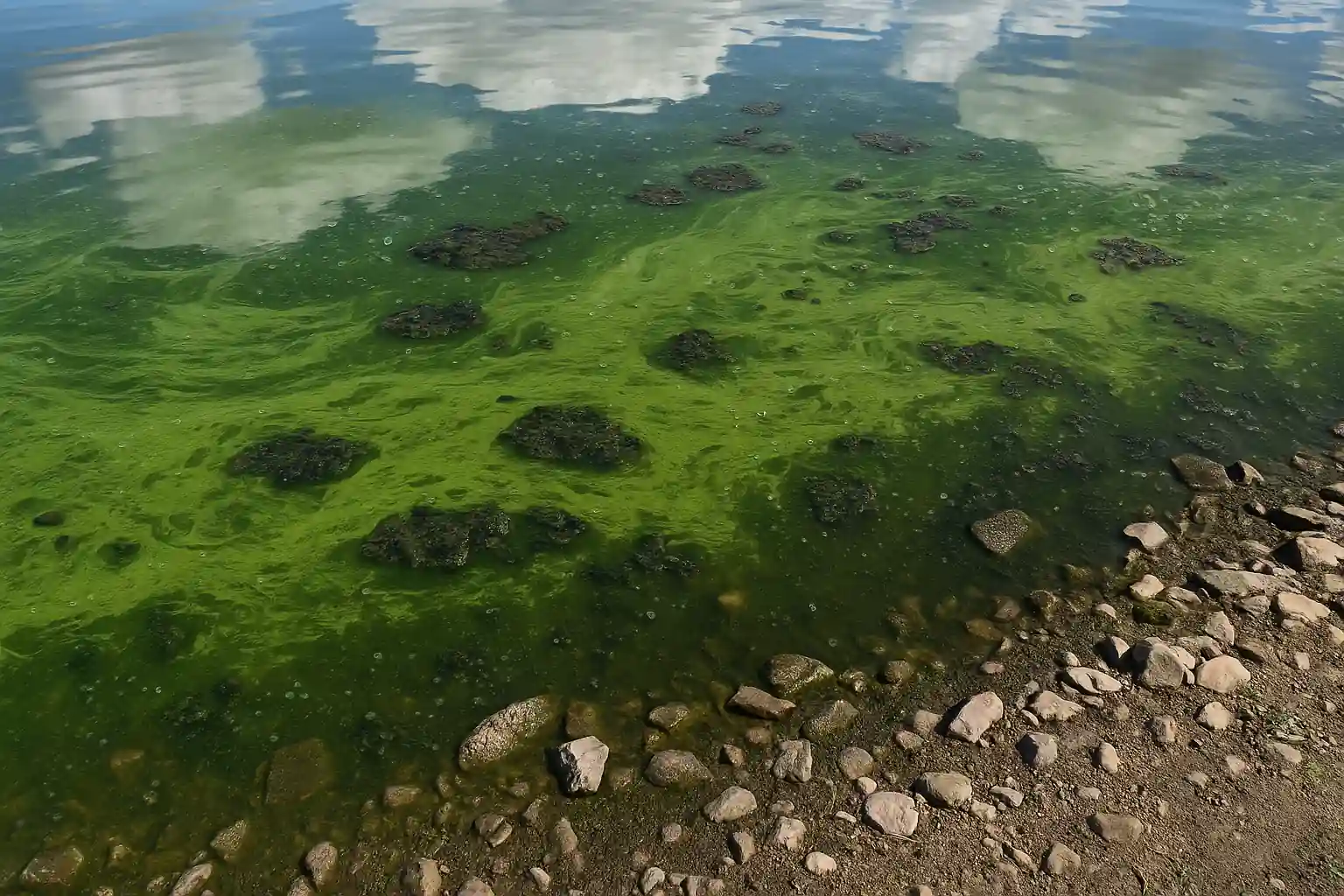
“Photo courtesy of Colorado Parks and Wildlife (CPW).”
Date: August 20, 2025
Location: DeWeese Reservoir State Wildlife Area, Westcliffe, Colorado
Colorado Parks and Wildlife (CPW) has issued a DeWeese Reservoir toxic algae warning after detecting dangerous levels of toxic blue-green algae at DeWeese Reservoir State Wildlife Area. The CPW DeWeese Reservoir alert, issued on August 19, 2025, urges visitors to avoid all water contact to protect themselves, their pets, and their families.
This is the first algae-related alert of the summer at DeWeese Reservoir, where officials continue closely monitoring Westcliffe CO fishing conditions.
Why CPW Issued the Warning
CPW District Wildlife Manager Justin Krall explained that testing confirmed elevated levels of toxins after officials observed a turquoise-colored film on the surface of the reservoir, indicating a significant blue-green algae bloom in Colorado.
“Algae has become a seasonal problem at DeWeese, forcing CPW to alert the public in recent summers of dangers to all activity except fishing to prevent the risk of exposure to humans and their pets,” said CPW District Wildlife Manager Justin Krall. “The algae can be harmful to people and pets if touched. It can give sensitive people a bad rash, for example. And it’s possibly fatal if ingested.”
Signs have been posted around the reservoir warning of potential cyanobacteria health risks Colorado residents should be aware of, urging everyone to avoid exposure.
Restricted Activities and Safety Guidelines
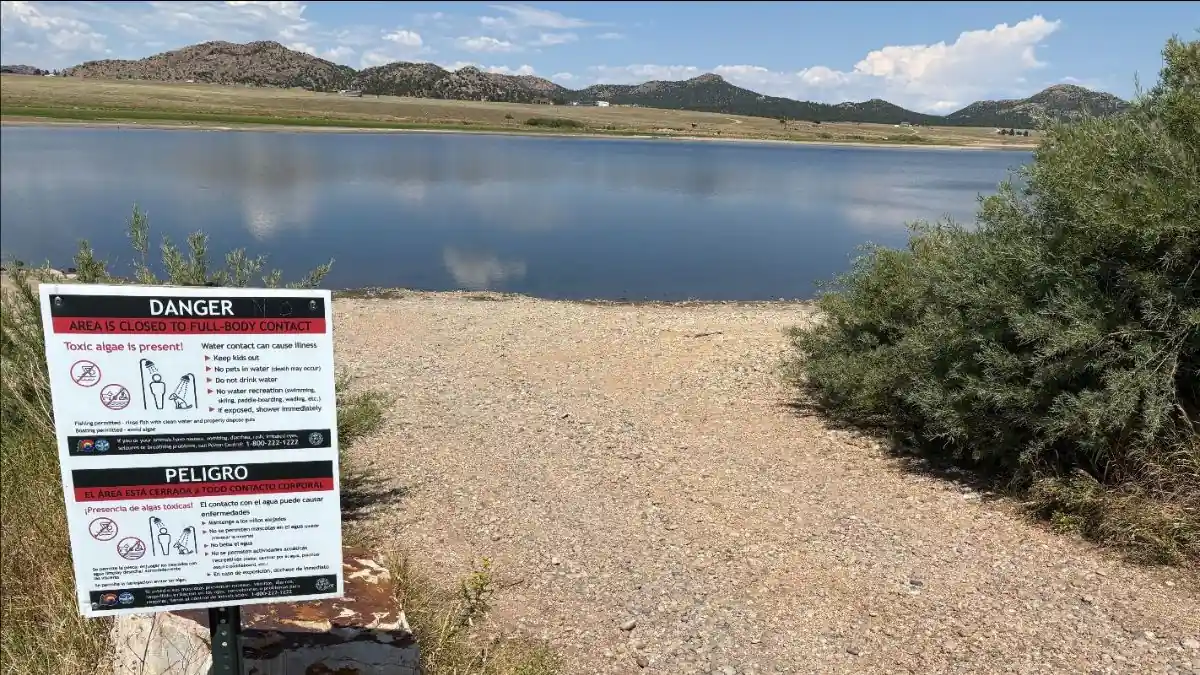
“Photo courtesy of Colorado Parks and Wildlife (CPW).”
According to Colorado Parks and Wildlife (CPW) testing, high toxicity levels were confirmed, which led CPW to implement stricter safety measures. According to the latest Colorado Parks and Wildlife algae update, the following are not allowed:
- Avoid all water contact — including swimming, wading, paddleboarding, and water skiing
- Keep children and pets out of the water
- Do not drink reservoir water under any circumstances
- Stay away from visible algae mats or discolored areas
- Shower immediately with clean water if you or your pet come into contact with the water
If contact occurs, shower immediately with clean water. These are among the most critical algae bloom safety tips Colorado officials emphasize.
Fishing Is Still Allowed — With Precautions
Despite the advisory, fishing remains open at DeWeese Reservoir. However, CPW urges anglers to use extreme caution when handling fish:
- Avoid touching the water directly with bare skin
- Clean and gut fish thoroughly before cooking
- Cook all fish completely before consuming
This toxic algae Colorado fishing advisory warns anglers that toxins can accumulate in fish organs, making safe handling essential. For more helpful information on fishing licenses, gear, and fish identification in Colorado, check out our Fishing Resources hub.
Why Toxic Algae Blooms Happen
Blue-green algae, also known as cyanobacteria, are naturally occurring organisms found in many lakes and reservoirs. However, under certain conditions — including high temperatures, low water levels, and elevated nutrient levels — these algae can multiply rapidly and release harmful toxins.
Key contributing factors include:
- Warm summer temperatures
- Reduced water flow and stagnation
- Excess nutrients from fertilizers, pet waste, and runoff
Once toxins are present, there is currently no method to remove them from the water, making preventive measures and public awareness crucial.
What’s Still Open at DeWeese Reservoir
DeWeese Reservoir is a 300-acre reservoir near Westcliffe, popular among anglers, campers, and outdoor enthusiasts. While water recreation is restricted, the following activities remain open to the public:
- Picnicking
- Hiking
- Wildlife viewing
- Camping
CPW continues weekly water testing and will provide updates if conditions improve or worsen. If you want to discover more top-rated fishing spots across Colorado, check out our Freshwater Fishing Guides for tips, techniques, and locations where fishing conditions remain safe.
How the Public Can Help Prevent Future Blooms
The Colorado Department of Public Health and Environment (CDPHE), working alongside CPW, recommends several ways the public can help reduce the likelihood of harmful algae blooms:
- Use lawn fertilizers responsibly to limit runoff into nearby waterways
- Always pick up pet waste near lakes, reservoirs, and rivers
- Avoid using deicers containing urea that can contribute to nutrient pollution
By taking these steps, visitors can help protect Colorado’s waterways and reduce future algae-related closures.
At-a-Glance Safety Summary
| Activity | Allowed? | Precautions |
|---|---|---|
| Swimming / Wading / Paddleboarding / Skiing | Not allowed | Avoid water contact due to toxic algae risk |
| Fishing | Allowed | Wear gloves, clean fish properly, cook thoroughly |
| Picnicking / Hiking / Camping | Allowed | Stay away from water and algae blooms |
| Drinking Water | Not allowed | Bring bottled or treated water only |
Final Thoughts
Algae blooms at DeWeese Reservoir are becoming more frequent during Colorado’s hot, dry summers, making it critical for the public to stay informed and follow CPW safety guidelines. By avoiding direct water contact, practicing proper fish handling, and helping limit nutrient pollution, visitors can stay safe while continuing to enjoy one of Colorado’s most popular wildlife areas. Stay updated on water conditions, fishing closures, and wildlife alerts by visiting our Fishing News section for the latest reports
For the latest updates and safety information, visit the official Colorado Parks and Wildlife website:
https://cpw.state.co.us
Source: Colorado Parks and Wildlife
💡Takeaways
📌CPW Issues Toxic Algae Bloom Warning at DeWeese Reservoir
Colorado Parks and Wildlife (CPW) has issued an urgent DeWeese Reservoir toxic algae warning after detecting dangerous levels of toxins. Visitors are advised to avoid all water contact to protect themselves, their pets, and their families.📌Water Recreation Restricted for Public Safety
Due to the toxic algae bloom at DeWeese Reservoir, CPW has prohibited swimming, wading, paddleboarding, and skiing. This CPW DeWeese Reservoir alert aims to reduce human and pet exposure to harmful toxins.📌Fishing Allowed but Follow Safety Precautions
While fishing is still permitted, CPW has issued a toxic algae Colorado fishing advisory. Anglers must avoid direct skin contact with the water, clean fish thoroughly, and cook them fully to stay safe.📌Health Risks of Blue-Green Algae Exposure
The blue-green algae bloom Colorado event at DeWeese Reservoir can cause cyanobacteria health risks such as rashes, irritation, and severe illness. Ingesting contaminated water or improperly prepared fish can be potentially fatal for both humans and pets.📌Other Recreation Remains Open at DeWeese Reservoir
Although water-based activities are restricted, CPW confirms that hiking, camping, picnicking, and wildlife viewing remain open at the DeWeese Reservoir State Wildlife Area. Weekly testing continues to track toxicity levels and prevent additional State Wildlife Area closures.
FAQ
What is an algae bloom and why is it bad?
An algae bloom occurs when blue-green algae, also known as cyanobacteria, rapidly multiply in warm, nutrient-rich water. The current toxic algae bloom at DeWeese Reservoir produces dangerous toxins that pose serious health risks to humans and pets. Contact with the water can cause rashes, irritation, and other health problems, while ingestion can be potentially fatal.
Is it bad to swim in an algae bloom?
Yes, swimming in a toxic algae bloom is extremely unsafe. CPW has issued a DeWeese Reservoir toxic algae warning, advising visitors to avoid all water activities, including swimming, wading, and paddleboarding. Direct skin contact can cause irritation and rashes, while swallowing contaminated water increases the risk of severe illness or death.
What kills an algae bloom?
Currently, there is no effective way to remove toxins from the water once a blue-green algae bloom has formed. Instead, CPW focuses on monitoring, testing, and public safety alerts like the ongoing Colorado Parks and Wildlife algae update. Prevention is key — limiting nutrient pollution from fertilizers, pet waste, and runoff can help reduce future DeWeese Reservoir State Wildlife Area closures caused by harmful blooms.
What do harmful algae blooms look like?
A harmful algae bloom often appears as a green or turquoise-colored film on the water’s surface. At DeWeese Reservoir, testing confirmed elevated toxin levels after CPW observed a thick, swirling layer resembling spilled paint. If you notice discolored patches or foam-like clusters, follow CPW’s algae bloom safety tips Colorado and avoid all contact with the water.
Can you fish during a toxic algae bloom at DeWeese Reservoir?
Yes, CPW’s toxic algae Colorado fishing advisory allows fishing, but strict precautions are required. Avoid touching the water, clean and gut fish thoroughly, and fully cook them before eating. Toxins can accumulate in fish organs, so following these DeWeese Reservoir fishing precautions is essential to stay safe.
How long will the toxic algae bloom at DeWeese Reservoir last?
The duration of a toxic algae bloom depends on environmental conditions such as temperature, water levels, and nutrient availability. CPW continues weekly testing and will issue updates through its Colorado Parks and Wildlife algae update. Visitors should monitor Westcliffe CO fishing conditions and avoid water activities until CPW lifts the advisory.

Jesse Earl – Author
Jesse Earl is a passionate freshwater angler and the founder of Reel Activities. When he’s not testing gear or writing how-to guides, you’ll find him exploring hidden lakes, chasing walleye, or casting from the shoreline with a cup of gas station coffee in hand.