Colorado Trout Fishing Closures 2025: Officials Announce Emergency Salvage Effort

Colorado Trout Fishing Closures 2025 have been announced as Colorado Parks and Wildlife (CPW) puts new restrictions in place this week. Drought conditions, high temperatures, and low water levels are creating serious challenges for fish survival across the state. In its official announcement, CPW detailed the voluntary closures on the White and Crystal Rivers. While certain stretches of rivers are now closed to protect stressed trout, anglers are also being encouraged to take home as many fish as possible from a rapidly draining reservoir. For those planning future trips, make sure your paperwork is in order with the latest Colorado fishing licenses.
Source: official CPW announcement
Rivers Under Stress
Biologists with CPW report that cold-water species, particularly trout, are struggling in parts of the White and Crystal Rivers in northwestern Colorado. With snowmelt tapering off and summer heat driving river temperatures above 70 degrees, Colorado trout fishing restrictions 2025 were implemented to protect these vulnerable fish populations. Trout face dangerously low oxygen levels and extreme stress when caught and released in warm water. For more tips on safe catch-and-release and species-specific advice, check out our freshwater fishing guides. Rainbow Trout are especially sensitive to warm-water stress — the USGS Rainbow Trout fact sheet provides background on their biology and habitat needs.
“Closures are never taken lightly,” said CPW Northwest Region Senior Aquatic Biologist Ben Felt. “But once conditions reach thresholds that put fish health at risk, we have to act quickly.”
Crystal River fishing closure: full-day restriction south of Carbondale
The Crystal River fishing closure is an all-day restriction over a five-mile section south of Carbondale until conditions improve. CPW urges anglers to fish only during the early morning hours statewide when waters are coolest, and to release trout quickly to give them the best chance of survival. Carrying a stream thermometer and stopping at 70°F is strongly recommended.
White River fishing restrictions Colorado: afternoon “hoot-owl” hours
The White River fishing restrictions in Colorado run from 2 p.m. to midnight daily, covering stretches in Rio Blanco County: the North Fork (White River National Forest boundary to the confluence), the South Fork (boundary to the confluence), and the main stem downstream to County Road 5. These “hoot-owl” hours reduce angling pressure during the hottest part of the day when trout mortality risk is highest.
According to CPW, anglers should fish only during the early morning hours statewide when waters are coolest, and release trout quickly to give them the best chance of survival.
Fire, Drought, and Fish Health
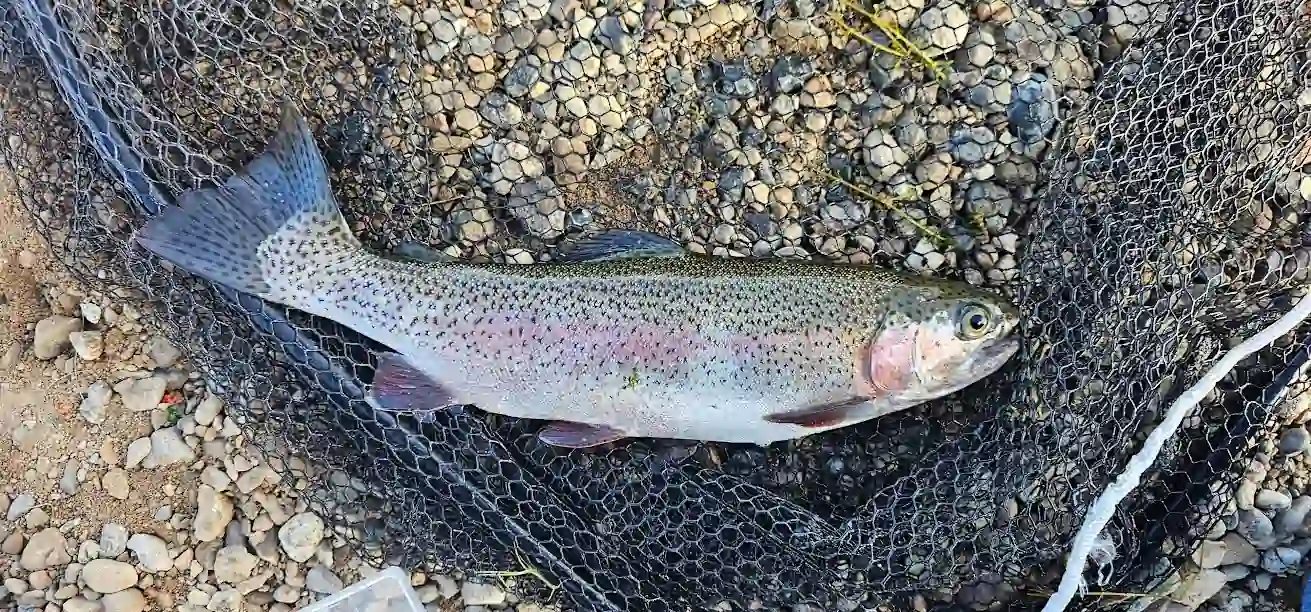
At the same time, CPW has authorized an emergency Narraguinnep Reservoir fish salvage north of Cortez. The irrigation company managing the lake is draining it for dam repairs, leaving no chance for long-term fish survival. Bag and possession limits are temporarily lifted, meaning anglers can use all legal methods to harvest bass, crappie, pike, perch, and walleye. Because these are mostly non-native warm-water species, CPW will not relocate the fish. The reservoir’s boat ramp is closed, and officials caution anglers about deep mud and unstable shoreline conditions. This follows a similar salvage at Summit Reservoir earlier in the summer.
“Between drought and wildfire impacts, fish on the Western Slope are facing tough odds,” said CPW spokesperson John Livingston.
Why Warm Water is Deadly for Trout
Trout are cold-water specialists, thriving between 50–60°F. Once water climbs past 68°F, oxygen levels decline as metabolism speeds up, creating a dangerous mismatch between energy use and oxygen supply. At ~71°F, trout can quickly reach lethal stress levels. Closures in Colorado are triggered when water temperatures reach 71°F or flows fall below 50% of the seasonal average To better understand what trout need to thrive, the Vermont Fish & Wildlife Department explains what makes good trout habitat.
Emergency Fish Salvage
At the same time, CPW has authorized an emergency fish salvage at Narraguinnep Reservoir north of Cortez. This salvage is directly connected to the same conditions that prompted Colorado Trout Fishing Closures 2025, as drought and high heat continue to impact waterways across the Western Slope.
Because these are mostly non-native warm-water species, CPW will not relocate the fish. The reservoir’s boat ramp is also closed, and officials caution anglers about deep mud and unstable shoreline conditions.
This marks the second salvage operation in Montezuma County this summer. In July, Summit Reservoir was similarly drained after its headgate failed, forcing CPW to lift fishing limits there as well.
Looking Ahead
Fishery managers emphasize that these measures, though disruptive to anglers, are necessary for conservation. By reducing pressure on stressed trout populations and salvaging fish that cannot survive reservoir drawdowns, Colorado Trout Fishing Closures 2025 highlight how critical it is for anglers to adapt to changing conditions. To see how other anglers are adapting during challenging conditions, explore our Slab Shots community highlights.
“Anglers are key partners in conserving our fisheries,” said Meeker Area Aquatic Biologist Gage Dean. “By following closures and salvage orders, we ensure these waters remain productive for generations to come.”
Voluntary vs. Mandatory Closures
Currently, CPW has issued voluntary closures, meaning anglers are asked to avoid fishing in the listed stretches but are not legally prohibited. However, officials note that if conditions worsen, they may move to mandatory closures where enforcement officers can issue citations. CPW says it relies heavily on angler cooperation and education, stressing that voluntary compliance has been effective in the past.
How Anglers Can Help
Aside from respecting closures, anglers can take additional steps to reduce fish stress during the summer. Using barbless hooks, landing fish quickly, and keeping them submerged while unhooking can all improve survival odds. CPW also recommends carrying a thermometer and stopping fishing whenever waters hit 70 degrees, even outside official closure zones.
A Pattern of Summer Restrictions
This is not the first time CPW has taken such action. In previous summers, sections of the Yampa, Eagle, and Gunnison Rivers also faced closures due to drought and heat. Wildlife managers emphasize that these patterns may continue as climate variability increases, making responsible angling practices even more critical for long-term fishery health.
❗Takeaways
⚠️Colorado Trout Fishing Closures 2025 Protect Cold-Water Species
CPW announced voluntary closures on the White and Crystal Rivers to protect trout as drought and high heat stress fish beyond recovery levels.⚠️Crystal River Fishing Closure Is a Full-Day Restriction
A five-mile stretch south of Carbondale is under an all-day closure until water temperatures drop, protecting vulnerable trout populations.⚠️White River Fishing Restrictions in Colorado Use “Hoot-Owl” Hours
Fishing is restricted daily from 2 p.m. to midnight on major sections of the White River to reduce pressure during peak heat.⚠️Narraguinnep Reservoir Fish Salvage Removes Bag Limits
CPW authorized an emergency fish salvage at Narraguinnep Reservoir due to dam repairs, allowing anglers to harvest unlimited non-native species.⚠️Warm Water is Lethal for Trout Survival
Trout thrive in water below 68°F, but at 71°F they face lethal stress, reinforcing the need for closures and responsible angling practices.
FAQ
Why were the Colorado Trout Fishing Closures 2025 implemented?
CPW announced these closures because water levels have dropped and river temperatures climbed above 70°F, conditions that severely stress trout and threaten their survival.
Which rivers are affected by the new closures?
The White River (with afternoon restrictions from 2 p.m. to midnight) and the Crystal River (full-day restriction south of Carbondale) are currently under voluntary closures.
What is the Narraguinnep Reservoir fish salvage?
Narraguinnep Reservoir is being drained for dam repairs, leaving fish unable to survive long-term. CPW lifted all bag and possession limits, allowing anglers to harvest bass, crappie, pike, perch, and walleye.
Are these closures mandatory?
For now, the closures are voluntary. CPW asks anglers to cooperate, but if conditions worsen, the agency may impose mandatory closures with enforcement.
How can anglers help protect trout during warm weather?
Fish early in the morning, use barbless hooks, land fish quickly, keep them submerged while unhooking, and stop fishing when water temperatures hit 70°F.

Jesse Earl – Author
Jesse Earl is a passionate freshwater angler and the founder of Reel Activities. When he’s not testing gear or writing how-to guides, you’ll find him exploring hidden lakes, chasing walleye, or casting from the shoreline with a cup of gas station coffee in hand.