How to Catch Yellow Perch: 3 Steps to Success
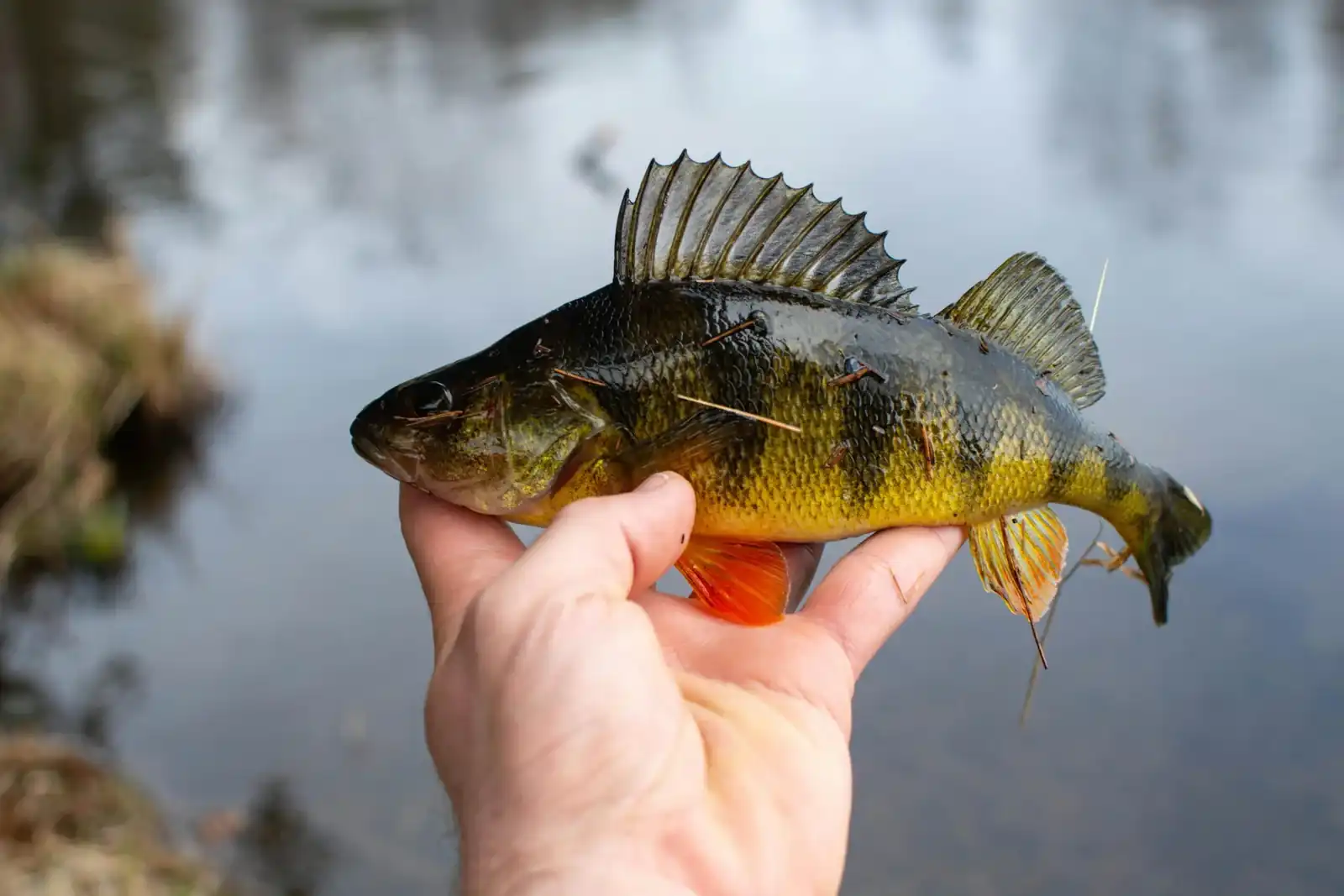
Yellow perch are one of the most accessible and rewarding freshwater fish to catch in North America. Whether you are a beginner with a bobber or an experienced angler targeting panfish for the dinner table, learning how to catch yellow perch consistently requires the right bait, a solid setup, and an understanding of seasonal movement. This guide will walk you through the core of yellow perch fishing, using our three-step formula to help you maximize your catch.
From the best bait for yellow perch to ideal fishing locations and gear setups, we cover everything you need to know to reel them in with confidence. With a focus on the natural behavior of perch and tested strategies, you’ll be better prepared no matter the season or body of water. Learning how to catch yellow perch also means learning how to fish responsibly. Check out our Fish Care page to learn how to catch and release without hurting the fish!
Disclosure: This post contains affiliate links. If you purchase through them, we may earn a small commission at no extra cost to you.
Step 1: How to Catch Yellow Perch with the Right Rig
Light Tackle is Key
Yellow perch are relatively small, but their numbers and willingness to bite make them a prime target for anglers who favor light tackle. Using the right fishing setup for yellow perch increases your sensitivity to bites and improves your ability to feel subtle nibbles. Our favorite beginner fishing rod is the Ugly Stik GX2 Ultra Light.
Recommended setup:
- Rod: 5 to 6.5-foot ultralight or light spinning rod
- Reel: Small spinning reel with smooth drag
- Line: 2 to 6 lb monofilament or fluorocarbon (fluorocarbon is nearly invisible in clear water)
A small slip bobber rig, drop shot, or a simple split shot rig all work well. The key is to keep your bait suspended just above the bottom where perch typically feed.
Best Yellow Perch Hooks and Jigheads
When it comes to terminal tackle, perch have small mouths, so match your hook size accordingly:
- Size 6 to 10 hooks for live bait: Use short-shank Aberdeen hooks for nightcrawlers and minnows. These are thin, easy to set, and cause less damage to the bait. If you’re nose-hooking minnows or fishing with drop shot rigs, octopus hooks also work well thanks to their strong hold and compact design. We recommend the Berkley Fusion19 Live Bait hook for its sharp point and reliable hold, especially when fishing for yellow perch.
- 1/64 to 1/16 oz jigheads for soft plastics or worms: Choose ball-head jigs for versatile casting and vertical jigging. Round or mushroom-style jigheads allow for a natural fall and work well in open water. Pill-shaped or teardrop tungsten jigs are ideal for ice fishing or deeper vertical presentations where quick drop speed and precision are needed.
Choose natural colors like white, chartreuse, brown, or olive to match local forage. During ice fishing or when targeting perch in deep water, tungsten jigheads offer better sensitivity and faster drop rates, helping you feel even the lightest bites.
Step 2: How to Catch Yellow Perch Using the Best Bait
Live Bait
Live bait consistently outperforms artificial lures for yellow perch. Their aggressive feeding behavior and natural schooling make them more likely to strike real food sources.
Top live bait options:
- Minnows (1 to 2 inches, hooked through the back or lips)
- Nightcrawlers (cut into thirds or halves)
- Waxworms and mealworms
Minnows are especially effective in colder water, while worms work better in warmer months. Hook them gently so they stay lively on the hook. A wriggling baitfish is often irresistible to a hungry perch.
Artificial Lures That Work

When live bait is not available or practical, artificial lures can still catch perch effectively. The best lures for yellow perch mimic small prey and offer flash or vibration to attract attention. One great option is the TRUSCEND Easy Catch Pre-Rigged Soft Lure, which features a unique vibrating swim action and a trembly sinking movement that triggers more strikes from perch. These soft swimbaits are beginner-friendly, come ready to use, and are ideal for targeting yellow perch, as well as bass, trout, and crappie.
Top artificial baits:
- Soft plastics like curly tail grubs, tubes, or micro swimbaits (1 to 2 inches)
- Small spoons (1/16 to 1/8 oz) with reflective finishes
- Jigging raps or blade baits for vertical presentations in deeper water
Use a steady jigging motion or twitch and pause technique to imitate wounded prey. Perch will often strike as the bait falls.
Step 3: Find Where Yellow Perch Are Hiding
Understand Seasonal Movement
Knowing where to find yellow perch is half the battle. Their locations change with the seasons, and adapting your fishing strategy can make or break your day.
Spring: Perch move into shallow bays, creeks, and nearshore areas to spawn. Look for them in 4 to 12 feet of water, especially near weed edges or gravel bottoms.
Summer: After spawning, perch disperse into deeper water, often in 15 to 30 feet. They may school near drop-offs, underwater humps, and vegetation lines. A sonar unit helps find schools quickly.
Fall: Perch move shallower again and feed heavily to fatten up for winter. Focus on transition zones near weed beds and sandbars.
Winter: Yellow perch are popular targets for ice fishing. They gather in deep basins or along mid-lake structure in 20 to 40 feet of water. Use sonar to identify schools and a vertical jig for best results.
Prime Fishing Locations
Perch prefer clear or slightly stained lakes with a mix of sand, gravel, and vegetation. Target these key areas:
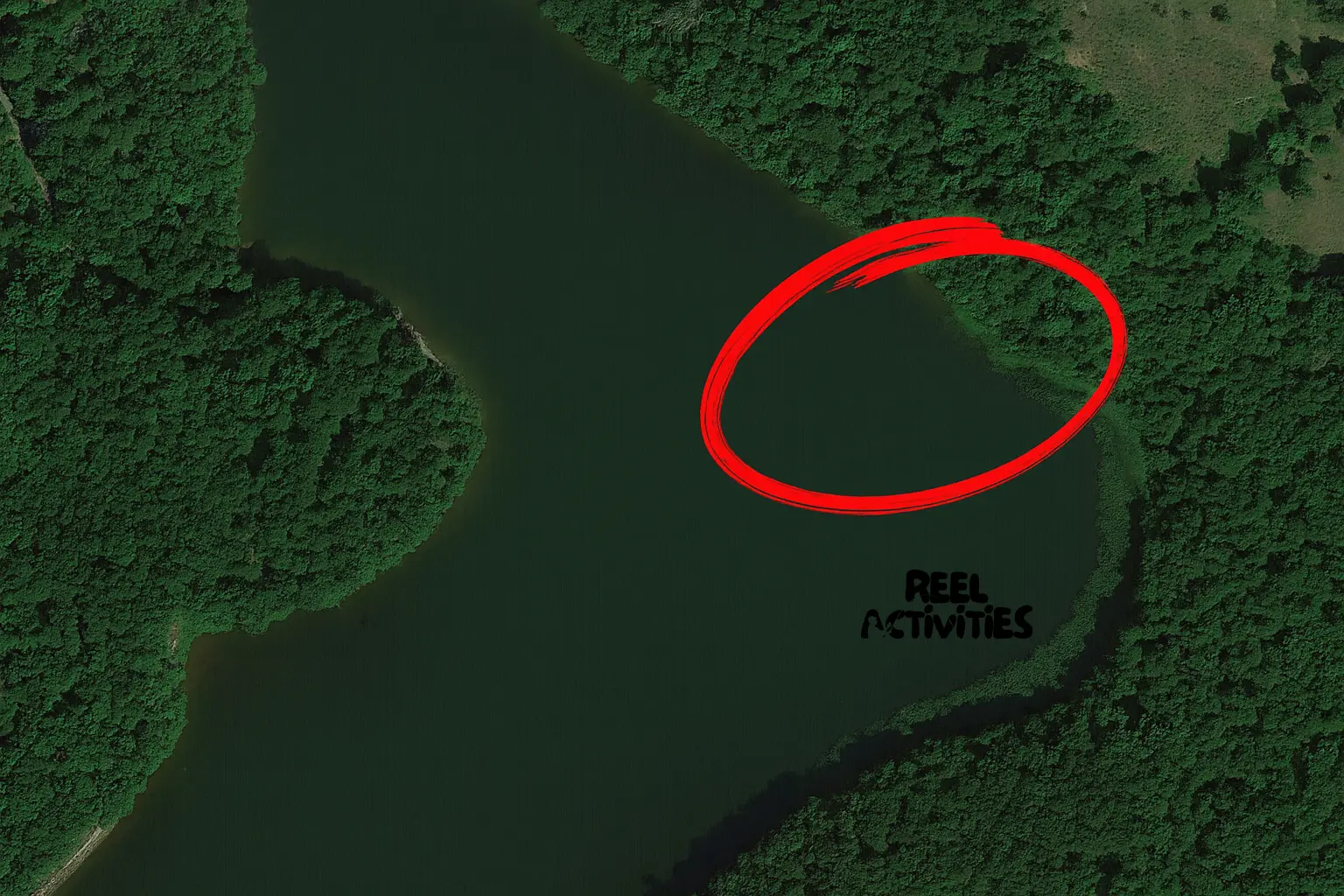
- Weed edges and inside turns
- Submerged rocks or stumps
- Points and drop-offs
- Back bays during spring and fall
- Deep main lake basins during winter
Rivers with slow current and deep holes can also produce excellent perch fishing year-round.
Bonus Tips for Catching More Yellow Perch
Use Scent to Attract More Bites
Perch rely on smell as well as sight. Adding scent to your bait or lure can make a big difference. Try:
- Commercial attractants (perch or minnow scent)
- Tipping lures with waxworms or a sliver of nightcrawler
Stay Mobile and Keep Searching
Yellow perch often school up, so if you catch one, more are likely nearby. But if 10 to 15 minutes pass with no bites, don’t be afraid to move. Try different depths or structures until you find fish.
Use electronics to locate schools, or pay attention to where other anglers are catching fish. Check out our post on the Best Tackle Boxes for 2025 that will help you stay mobile!
Time of Day Matters
Perch bite best during early morning and late afternoon, especially in clear water. Cloudy or overcast days can prolong feeding activity.
Cleaning and Cooking Yellow Perch
Perch are known for their firm, flaky white meat and are considered one of the best-tasting freshwater fish.
Cleaning tips:
- Use a sharp fillet knife
- Scale the fish first or skin after filleting
- Remove the rib bones cleanly to maximize fillet yield
Cooking ideas:
- Pan-fried in cornmeal or panko
- Baked with lemon and herbs
- Beer-battered and deep-fried
Fresh perch fillets are mild, not fishy, and perfect for tacos, sandwiches, or a traditional fish fry.
Final Thoughts
Learning how to catch yellow perch is about consistency, observation, and using the right techniques. By mastering your fishing setup, choosing the best bait for yellow perch, and locating them based on season and structure, you can enjoy reliable action on the water year-round.
Yellow perch are abundant, great for beginner anglers, and rewarding to catch. With this three-step plan, you will not only catch more fish but also develop a better understanding of their behavior and seasonal habits. Whether you are fishing for fun or filling a cooler, you now have the tools to succeed.
Make sure to share your perch catches, try different waters, and pass on the tradition of panfishing. If you want to learn more about yellow perch, check out the U.S. Fish and Wildlife website for more info!
💡Takeaways
📌Use the Right Hook and Tackle
Match perch’s small mouths with size 6–10 Aberdeen or octopus hooks and 1/64–1/16 oz jigheads. Light rods and 2–6 lb line give you maximum sensitivity.📌Live Bait Works Best
Minnows, nightcrawlers, and waxworms consistently outperform lures. Keep bait lively and near the bottom to trigger more bites.📌Try Artificial Lures When Needed
Use small soft plastics, spoons, or vibrating swimbaits like the TRUSCEND Easy Catch when live bait isn’t available. Focus on realistic action and flash—work a slow lift-pause retrieve, let the lure flutter on the fall, and match-the-hatch colors (white/silver in clear water, chartreuse in stain). Keep profiles 1–2″ on 1/64–1/8 oz heads with 4–6 lb fluoro.📌Follow Seasonal Movement
In spring, perch spawn in shallow water; in summer, they move deeper. Fall brings them shallow again, and winter schools form in basins up to 40 feet deep.📌Target Productive Structures
Weed edges, inside turns, drop-offs, submerged wood, and mid-lake humps are hotspots. Use sonar or visual cues to locate these zones.📌Add Scent for More Action
Boost success by tipping jigs with worms or adding minnow scent. Perch respond well to both smell and subtle movement.📌Stay Near the Bottom
Perch often feed just 6–12 inches above the lakebed. Use rigs that let you suspend bait close to the bottom without snagging.📌Time Your Trips Wisely
Early morning and late afternoon are peak feeding times. Overcast days may extend the bite window even longer.
What is the best bait for yellow perch?
The best bait for yellow perch is live bait, especially small minnows, nightcrawlers (cut in pieces), and waxworms. Minnows work particularly well in cold water, while worms are excellent during warmer months. Artificial lures like soft plastics and small spoons can also be productive, especially when tipped with bait.
How do you catch a yellow perch?
To catch a yellow perch, use light tackle with small hooks or jigheads and fish near structure where perch tend to school. Focus on weed edges, drop-offs, or gravel bottoms depending on the season. A simple split shot rig with live bait like a minnow or worm is highly effective.
What is the easiest way to catch perch?
The easiest way to catch perch is to use a bobber rig with a small live minnow or piece of worm on a size 6 to 10 hook. Cast near vegetation or submerged structure and let the bait sit just off the bottom. Perch often school, so where you find one, you’ll usually find more.
What time of day do yellow perch bite?
Yellow perch bite best during the early morning and late afternoon, especially in clear water. On overcast days, their feeding window may extend longer into midday. They tend to be most active during periods of low light.
How far off the bottom do you fish for perch?
Yellow perch typically feed close to the bottom, so your bait should be positioned 6 to 12 inches above it. When using a slip bobber or drop shot rig, adjust your depth until you consistently get bites.
What month is best for perch fishing?
Perch can be caught year-round, but the best months are usually March–May for spring spawning and September–October when they bulk up for winter. Ice anglers also find excellent perch action in January and February, especially in deeper basins.
What is the best bait rig for perch?
One of the best bait rigs for perch is a slip bobber setup with a small Aberdeen hook and a lively minnow or worm. For deeper water, a drop shot rig or a tungsten jig tipped with bait works well. These rigs allow for precise depth control and maximize your chances of staying in the strike zone.
Is perch a good fish to eat?
Yes, perch are considered one of the best-tasting freshwater fish. Their white, flaky meat is mild and not overly fishy, making it perfect for pan-frying, baking, or deep-frying. Yellow perch are especially prized in fish fries and are popular in the Midwest and Northeast for their clean flavor.

Jesse Earl – Author
Jesse Earl is a passionate freshwater angler and the founder of Reel Activities. When he’s not testing gear or writing how-to guides, you’ll find him exploring hidden lakes, chasing walleye, or casting from the shoreline with a cup of gas station coffee in hand.