7 Best Winter Trout Fishing Rigs
Why Winter Trout Fishing Requires the Right Rigs
Winter can be one of the most rewarding times to target trout—if you use the right trout fishing rigs. Cold water slows everything down, from how trout feed to where they hold. Whether you’re fishing open water or drilling through ice, winter requires a different approach—more finesse, more patience, and rigs designed for deep water trout that won’t waste energy chasing fast presentations.
For anyone doing Colorado winter trout fishing, this guide breaks down the seven rigs that consistently produce fish when temperatures drop. These setups work across the Front Range, foothill reservoirs, high-country lakes, and tailwaters. Whether you’re tackling Chatfield Reservoir trout fishing, chasing a big Eleven Mile Reservoir trout, or picking apart slow pools during South Platte River trout fishing, these rigs give you the edge when the trout bite in winter gets tough.
For up-to-date regulations, stocking information, and statewide trout resources, you can also check the official Colorado Parks & Wildlife fishing page:
https://cpw.state.co.us/thingstodo/Pages/Fishing.aspx
Where Trout Hold in Winter (And the Best Times to Target Them)
Winter trout fishing requires targeting deeper, slower water where trout conserve energy and stay protected from changing temperatures. Cold water pushes trout into predictable areas, and focusing on the right locations—and the right time of day—can dramatically increase your success.
Best Time to Fish
Trout feed most actively during the warmest part of the day, typically between 10:00 AM and 3:00 PM. Slight warming can trigger feeding windows, especially for slow-moving winter trout.
Where to Find Winter Trout
- Deep Pools and Runs
In rivers and tailwaters, trout move into deep pools and slow runs to find stable temperatures and reduced current. These areas hold the highest density of winter trout. - Mid-Stream Structures
Look for soft pockets behind boulders, bridge pilings, and natural obstructions. These “rest zones” are prime ambush points during winter. - Shallow, Sunlit Areas (Afternoon)
On sunny days, trout may rise into shallow, sun-warmed coves or flats to soak up heat and feed lightly. This is especially true in Colorado lakes like Chatfield, Eleven Mile, and Aurora Reservoir. - Best Presentations for These Areas
Trout respond best to slow, subtle presentations such as:
• Dead-drifting small baits or plastics
• Micro tubes, finesse rigs, or slip bobber setups
• Downscaled, cold-water presentations
• Small streamers or midge patterns for rivers
Focusing on these areas and conditions helps you match how trout behave in winter and sets the stage for choosing the right trout fishing rigs.
To help support Reel Activities, some of the gear recommendations below use Amazon affiliate links. Purchases made through these links help keep the site running, at no extra cost to you. Below are the 7 best trout fishing rigs to use during the coldest months of the year, how to fish them, and why they dominate for trout fishing in winter.
Table of Contents
1. The Slip Sinker Rig (Winter Trout Classic)
When the water temperatures crash, trout move deeper, slow down, and hug the bottom. That’s exactly why the slip-sinker rig is one of the most reliable bottom rigs for trout during winter. It allows your bait to sit perfectly still while minimizing resistance—critical for slow-moving winter trout that won’t tolerate unnatural drag.
Materials Needed:
- Egg sinker
- Bead
- Swivel
- 18–24″ fluorocarbon leader
- Size 8–12 hook
- Natural bait (worms, salmon eggs) or PowerBait for stockers
How to Set Up the Rig (Step by Step)
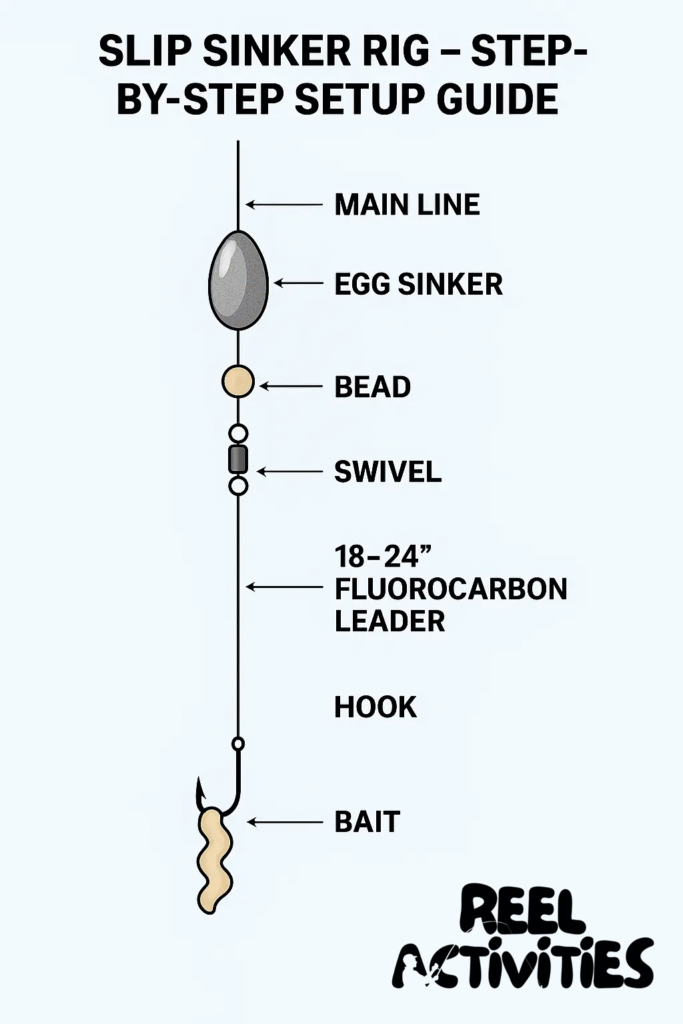
1. Slide the egg sinker onto your main line
This allows the weight to move freely so trout can bite without feeling resistance.
2. Add a small bead below the sinker
The bead protects your knot from being damaged by the sliding weight.
3. Tie your main line to a swivel
This prevents line twist and creates a stop point for the sinker.
4. Attach an 18–24 inch fluorocarbon leader to the other end of the swivel
Fluorocarbon is nearly invisible in cold, clear winter water.
5. Tie on a size 8–12 hook
Baitholder hooks work best for worms, salmon eggs, or PowerBait.
6. Add your bait
Use: Half a nightcrawler, Salmon eggs, PowerBait (floats just above the bottom), Dough bait for stocker trout
7. Cast gently and let the rig settle to the bottom
The sinker stays put while your bait floats or sits naturally a few inches above the lake bottom.
This is one of the simplest and most effective trout bait rigs, ideal for beginners and seasoned anglers. It’s especially strong at lakes like Chatfield, where the main basin holds roaming trout all winter long.
Where to Use It in Colorado
- Chatfield Reservoir trout fishing (deep basin)
- Cherry Creek Reservoir
- St. Vrain Ponds
- Flat, slow sections of the South Platte
Its quiet, stationary presentation makes it one of the top Colorado trout fishing rigs for cold conditions.
Recommended Gear for the Slip Sinker Rig

AMYSPORTS Egg Lead Fishing Weights
Buy On Amazon
KastKing Fluorokote
Buy On Amazon

Dr.Fish 100 Pack Baitholder Hooks
Buy On Amazon

Berkley PowerBait Cheese Scent
Buy On Amazon
2. The Micro-Tube Rig (Cold-Water Killer for Suspended Winter Trout)
When trout get sluggish in cold water, tiny profiles outperform everything else. The micro-tube rig is one of the most overlooked—but brutally effective—winter trout fishing rigs. These small 1–2 inch soft plastic tubes imitate baby baitfish and aquatic insects, making them irresistible to slow-moving winter trout.
They shine especially in clear water, pressured lakes, and anywhere trout suspend 2–10 feet off the bottom.
How to Set Up the Rig
- 1/32 to 1/16 oz tube jig head
- 1″–2″ micro tube (white, pink, brown, or natural)
- 4–6 lb fluorocarbon
- Optional small swivel to reduce line twist
Thread the plastic tube over the jig head and fish it with a slow lift-and-drop or subtle twitch.
Why It’s Deadly in Winter
- Ultra-small profile → matches winter trout feeding behavior
- Perfect for cold-water presentation
- Works horizontally and vertically
- Looks natural even with almost no movement
- Excellent for “neutral” trout feeding mood
Micro-tubes are especially effective anytime the trout bite in winter turns light or finicky.
Best Micro-Tube Gear for Winter Trout
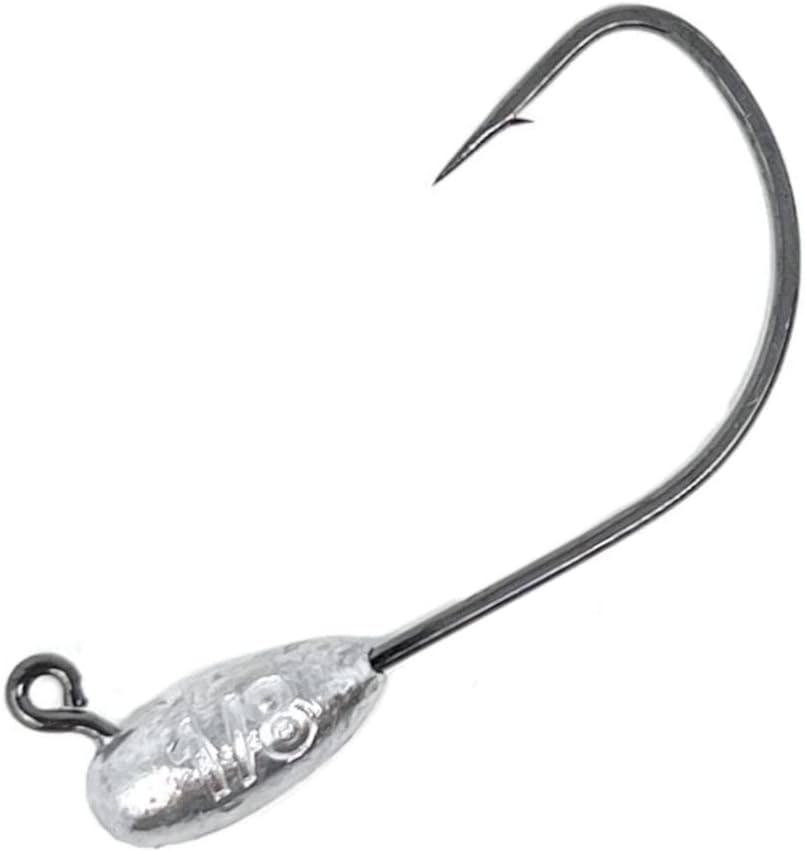
Reaction Tackle Tube Jig Heads
Buy on Amazon

Berkley PowerBait Power Tube
Buy on Amazon
Best Colorado Locations for the Micro-Tube Rig
- Eleven Mile Reservoir (deep basins + shoreline points)
- Chatfield Reservoir deeper coves
- Aurora Reservoir (clear water = perfect for tiny tubes)
- South Platte River eddies during slow flows
This rig flat-out catches trout when nothing else is working.
Recommended Micro-Tube Gear
- Slow vertical or slow horizontal retrieve
- Small Trout Tubes (1–2 inch soft plastics)
- 1/8 oz jig heads
- Fluorocarbon line for stealth
3. The Drop Shot Rig (Deadly for Deep Trout Rigs)
One of the best modern approaches for deep trout rigs, the drop shot keeps your bait suspended just off the bottom—prime feeding territory for winter trout.
Best Baits for Drop Shotting Trout
- Shrimp pieces
- Nightcrawlers
- Gulp! minnows
- Small plastics
This is finesse fishing at its best, offering incredible control over your cold water trout fishing depth and movement.
How to Tie a Drop Shot Rig (Step by Step)
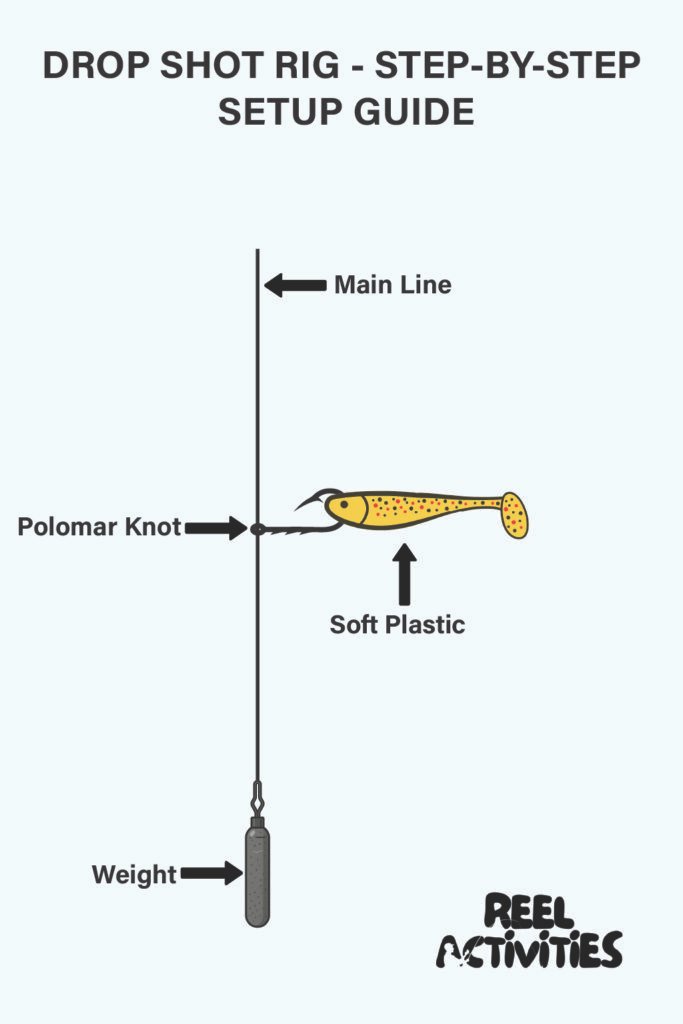
1. Start with your main line
Use 4–6 lb fluorocarbon for winter trout. Fluoro sinks and stays tight in deep water.
2. Tie your hook directly onto the main line with a Palomar Knot
This is the proper knot for a drop shot because it keeps the hook pointing upward.
How to tie the Palomar Knot:
- Pass the main line through the hook eye and double it back.
- Tie a loose overhand knot with the doubled line.
- Pass the hook through the loop.
- Moisten the knot and pull tight.
- Make sure the hook faces up (the tag end must come out of the bottom of the knot).
3. Leave a long tag end below the hook
This tag end becomes the drop shot “leader” section.
For winter trout:
- 6–12 inches above bottom for pressured trout
- 12–24 inches for deep lakes (Chatfield, Eleven Mile, Aurora)
4. Attach the drop shot weight to the tag end
Tie the tag end directly to the dropshot weight eye or clip.
Recommended winter sizes:
- 1/8 oz for rivers or shallow water
- 1/4 oz for deep winter trout (best for basins)
Clip-style drop shot weights allow quick depth changes.
5. Add your bait to the hook
Best winter trout drop-shot baits:
- Half a nightcrawler
- Shrimp piece
- Small soft plastics
- Gulp! minnows
- Micro tubes or micro worms
Hook the bait lightly for natural movement.
6. Fish it slow
The drop shot excels when:
- Fished vertically
- Slowly lifted and lowered
- Slight twitches applied
- Held almost still in deep water
Winter trout are slow — this rig puts the bait right at eye level.
Best Drop Shot Gear for Winter Trout

Drop Shot Weights
Buy On Amazon
KastKing Fluorokote
Buy On Amazon
Dr.Fish 100 Pack Baitholder Hooks
Buy On Amazon
Colorado Locations to Try It
- Eleven Mile Reservoir trout (deep points)
- Spinney Mountain Reservoir (open pockets)
- Aurora Reservoir
The drop shot rig is brutal on finicky fish and gives you a true advantage when working deep structure.
4. The Slip Bobber Rig (Still Effective in Winter)
Even though many anglers rely on bottom rigs in cold water, a slip bobber rig is still incredibly productive for trout fishing in winter, especially when the fish suspend mid-water.
Why It Works
- Presents baits at precise depths
- Excellent for trout cruising just above drop-offs
- Works great in mild winter weather
- Fantastic for tailwaters
Use a micro jig, waxworm, or small minnow to stay in line with a natural cold-water presentation.
Recommended Slip Bobber Gear

Alwonder 4-Pack Bobbers
Buy On Amazon

Bobber Stoppers
Buy On Amazon
KastKing Fluorokote
Buy On Amazon
Dr.Fish 100 Pack Baitholder Hooks
Buy On Amazon
Where to Use It in Colorado
- South Platte River trout fishing (slow winter pools)
- Pueblo tailwater
- Clear Creek stretches
This rig is especially deadly when the water has slightly warmed during mid-afternoon thaws.
5. The Jig-and-Worm Rig (Ultimate Finesse Fishing Rig)
Winter demands finesse—and few rigs provide more subtle movement than the jig-and-worm combo. Whether you’re tipping a tungsten jig with half a nightcrawler or threading a micro plastic, this rig excels with slow-moving winter trout.
Why It Dominates in Cold Water
- Trout want small, slow-moving meals
- Works in deep water trout zones
- Adds vibration and flash
- Easy to fish vertically or horizontally
It also gives you insane versatility for fishing structure, channels, drop-offs, and deeper bowls.
Best Jigs for Trout

Trout Magnet
Buy on Amazon

Berkley PowerBait Power Floating Trout Worm
Buy on Amazon
Great Colorado Locations
- Eleven Mile (ice or shore)
- Chatfield Reservoir deeper coves
- Bear Creek Lake
Of all the rigs, this is the one that catches trout every month of the year.
6. The Inline Spinner Rig (Slow-Rolled Winter Search Bait)
While trout aren’t aggressive in deep winter, they’ll still strike a slow-moving spinner if you retrieve it with finesse. Think slow rolls, pauses, and gentle taps to match the trout bite in winter.
How to Fish It in Winter
- Use lighter blades (#0–#2)
- Retrieve as slowly as possible
- Use ultralight line
- Focus on deep troughs and channels
This is terrific for covering water when you’re unsure where trout are holding.
Best Inline Spinners for Winter Trout

TRUSCEND Rooster Tails
Buy On Amazon

Panther Martin
Buy On Amazon
Best Colorado Locations
- Slow winter areas of the South Platte
- Big Thompson River
- Clear Creek Canyon
Spinners remain underrated in cold months—but a well-placed blade fished slowly absolutely works.
7. The Ice Fishing Spoons & Jigging Rigs (Winter Essentials)
When lakes freeze, switch to compact jigging spoons and tungsten setups. These rigs dominate for winter trout fishing and excel in deep basins where trout roam.
Best Lures for Jigging in Winter
- Swedish Pimples
- Kastmasters
- Tungsten jigs
- Balanced minnows
- Soft plastics
These are some of the most versatile trout rigs for both mobility and vertical control, especially for deeper lakes.
If you want a full breakdown of the best jigs, sizes, colors, and techniques for winter trout, check out my complete guide here: 15 Best Ice Fishing Jigs for Trout.
Colorado Locations
- Eleven Mile Reservoir trout (legendary ice action)
- Antero Reservoir—big trout in shallow flats
- Lake Granby
This is where you unlock the true potential of deep water trout in icy conditions.
How to Choose the Right Rig for Trout Fishing in Winter
Picking the right setup depends on depth, temperature, and trout behavior. During Colorado’s coldest months, fish often hold deep, move slowly, and feed in short windows. That means your trout fishing setup should focus on:
✔ Slow, natural movement
✔ Small baits
✔ Staying near the bottom
✔ Adjusting depth often
✔ Soft rod tips to detect light bites
Your gear matters too. Light fluorocarbon, small hooks, and subtle adjustments help you match natural baitfish movement in winter.
If you’re building your own trout fishing gear, start with:
- 4–6 lb fluorocarbon
- Size 8–12 hooks
- Small split shots
- Micro swivels
- And at least two or three of the rigs above
Together, these rigs turn winter fishing from slow and frustrating into consistent and exciting.
Cold water slows trout down, changes how they feed, and affects where they hold during winter. The USGS Rainbow Trout Species Profile provides helpful background on trout distribution and biology that explains these seasonal changes.
If you’re building your own trout fishing gear, start with fluorocarbon, small hooks, micro swivels, and at least two or three of the rigs above. For more detailed freshwater fishing tutorials, species tips, and technique breakdowns, check out our Freshwater Fishing Guides.
Final Thoughts: The Best Winter Trout Fishing Rigs in Colorado
Using the right trout fishing rigs is the biggest difference-maker when temperatures drop below freezing. Winter trout aren’t aggressive, and they won’t chase fast presentations. That’s why you need rigs that match finesse fishing, deep structure, slow retrieves, and subtle baits.
Whether you’re working the banks for Chatfield Reservoir trout fishing, punching holes at Eleven Mile, or slowing down for gentle South Platte River trout fishing, these rigs will put fish in the net all winter long.
Colorado has some of the best winter trout opportunities in the country. With the right approach, patience, and the winter rigs above, you’ll stay productive even on the coldest days—no matter where your next cast takes you. You can find more year-round Colorado fishing tips and seasonal guides on Reel Activities.
💡Takeaways
📌Winter Trout Need Slow, Natural Presentations
Cold water slows trout down, changing how they feed and where they hold. That’s why winter requires finesse, patience, and rigs designed for deep water trout that won’t chase fast presentations.📌Bottom Rigs Dominate in Cold Conditions
Trout move deeper and hug the bottom when temperatures drop. Rigs like the slip-sinker and drop-shot keep bait near the bottom with minimal resistance, making them some of the most reliable setups for winter trout fishing.📌Small Profiles Outperform Big Baits in Winter
Micro tubes, small plastics, and tiny jigs mimic winter forage. Their ultra-small profiles match how trout feed in cold water, especially when the bite turns light or finicky.📌Depth Control Is Essential for Winter Success
Winter trout often suspend or feed just off the bottom. Rigs like the slip bobber and drop-shot allow precise depth control, helping you target trout cruising above drop-offs or holding in deep basins.📌Slow Retrieves Trigger More Winter Strikes
Inline spinners, jigs, and spoons must be fished with slow rolls, pauses, subtle twitches, or gentle vertical jigging to match the sluggish behavior of winter trout.📌Colorado Winter Trout Thrive in Deep Basins and Slow Pools
From Eleven Mile and Chatfield to the South Platte, winter trout hold in deep basins, coves, slow pools, and drop-offs. Using winter-specific rigs in these locations keeps you productive even during coldest months.
What is the best rig for winter trout?
The best rig for winter trout is the Slip Sinker Rig because it lets your bait sit naturally just above the bottom while keeping resistance extremely low. Winter trout move slowly and hold tight to deeper areas, so a rig that stays still and presents bait in the strike zone is the most reliable choice during cold conditions.
What is the best bait for trout in the winter?
The best bait for winter trout is anything small and natural that requires little effort for a trout to eat. Nightcrawlers, salmon eggs, PowerBait, shrimp pieces, Gulp minnows, and small soft plastics work extremely well because winter trout prefer subtle, slow-moving food sources.
How do you fish for trout in the winter?
To fish for trout in the winter, focus on slow, natural movement and present baits close to where trout are holding. Winter trout gather near the bottom or suspend at specific depths, so using rigs that hold your bait still or allow precise depth control is essential. Soft, subtle presentations that imitate easy meals are the most effective approach in cold water.
What is the most effective trout rig?
The most effective trout rig in winter is the Slip Sinker Rig because it keeps bait steady, natural, and nearly resistance free. This setup works extremely well in deep basins and slow pools where trout conserve energy. The Micro Tube Rig and the Drop Shot Rig are also highly effective when trout suspend or feed slightly off the bottom.
What is the number one bait for trout?
The number one bait for winter trout is a small natural offering such as worms, salmon eggs, or PowerBait. These baits match the slow feeding behavior trout show in cold water and stay in the strike zone longer, increasing the chances of getting bit.
Is 6wt too heavy for trout?
A 6wt rod is generally heavier than necessary for the finesse-heavy techniques used in winter trout fishing. Cold-water trout often bite softly, and lighter gear provides better sensitivity, more natural presentations, and a more appropriate match for the size of trout typically caught during winter.

Jesse Earl – Author
Jesse Earl is a passionate freshwater angler and the founder of Reel Activities. When he’s not testing gear or writing how-to guides, you’ll find him exploring hidden lakes, chasing walleye, or casting from the shoreline with a cup of gas station coffee in hand.